
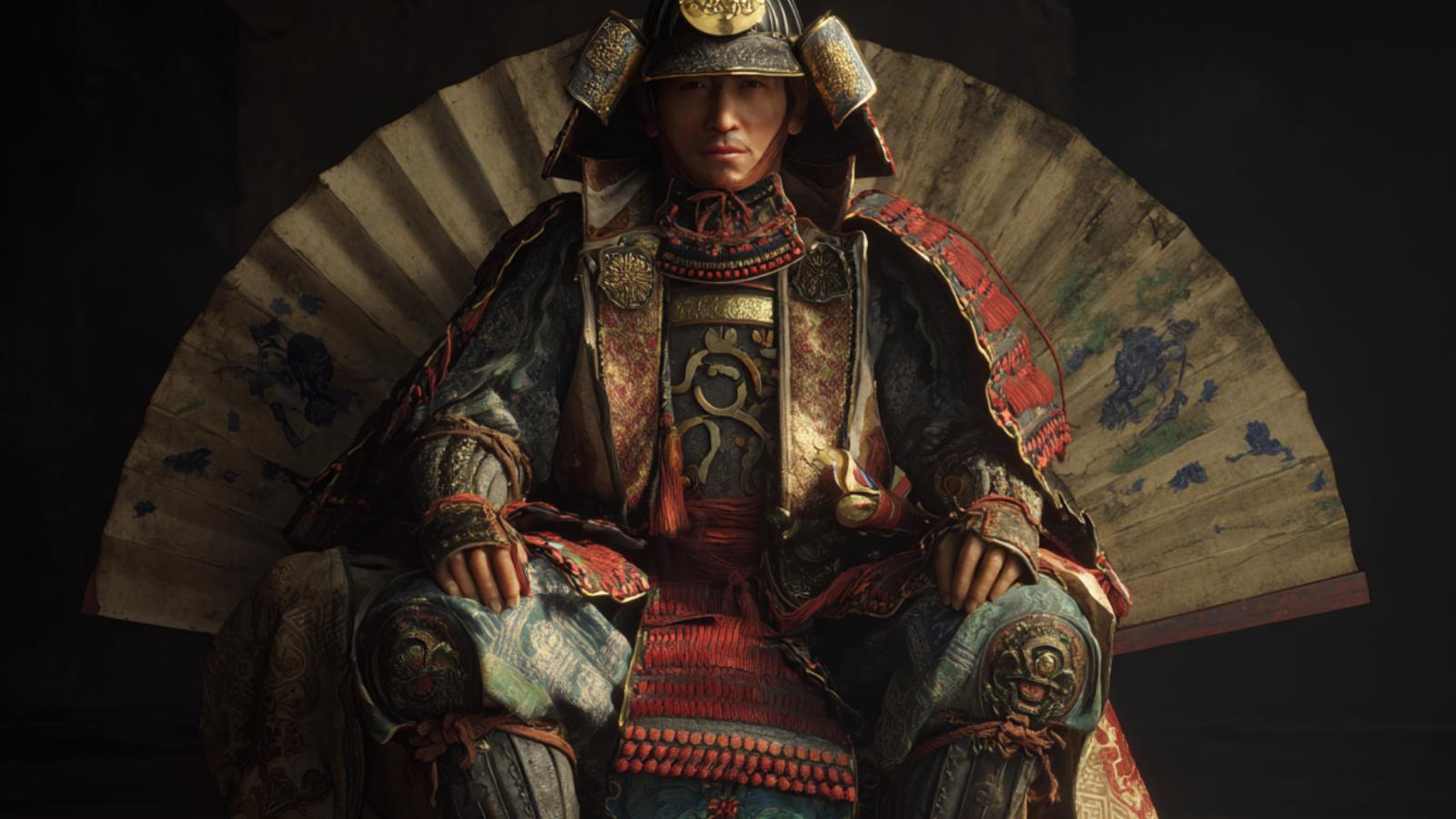
“戦を制するは、まず具足を見よ。”
— To conquer in battle, first observe the armor.

| Lead 統率 |
Valor 武勇 |
Intel 知略 |
Pol 政治 |
|---|---|---|---|
| 78 | 75 | 85 | 70 |
| Name (JP) | 真田 幸隆 |
|---|---|
| Title | Daimyo |
| Clan / Force | Sanada Clan |
| Era | 1544 – 1605 |
| Origin | Nagano |
| Key Battles | |
| Arts | Noh Theatre |
About Sanada Yukitaka
As a member of the Sanada clan, he was immersed in the samurai tradition from a young age.
The clan’s strategic acumen was influenced by the turbulent dynamics of the feudal system, and this environment shaped Yukitaka’s early understanding of warfare and governance.
Yukitaka initially served under Takeda Shingen, one of the most powerful daimyos of the time.
His loyalty to the Takeda clan, coupled with his innovative military tactics, contributed to several victories against rival clans.
However, after the fall of the Takeda clan, Yukitaka shifted allegiances and became a loyal retainer of the Tokugawa, showcasing his adaptability and keen political insight.
His ability to navigate shifting allegiances cemented his status among the samurai of the period.
Throughout his career, Yukitaka participated in numerous significant, including the Battle of Kawanakajima and the Siege of Ueda.
His cunning strategies were often evident, particularly in the defense against larger forces.
He exhibited bravery on the battlefield, gaining respect from both allies and enemies alike.
His tactical decisions enabled him to endure and even thrive during times of severe adversity, demonstrating strong leadership qualities.
Sanada Yukitakas endures in Japanese history as a capable and strategic leader.
He is often remembered in Japanese folklore and popular culture, showcasing the virtues of loyalty, honor, and resilience.
While he may not have reached the legendary status of contemporaries like Oda Nobunaga or Tokugawa Ieyasu, his contributions to Japanese history and samurai culture remain significant, making him a respected figure in the chronicles of the Sengoku period.









comment