“勝つことが全てとは限らない。”
— Winning is not everything.

| Lead 統率 |
Valor 武勇 |
Intel 知略 |
Pol 政治 |
|---|---|---|---|
| 75 | 70 | 72 | 65 |
| Name (JP) | 武田 勝頼 |
|---|---|
| Title | Daimyo |
| Clan / Force | Takeda Clan |
| Era | 1546 – 1582 |
| Origin | Kai |
| Key Battles | |
| Arts | Noh Theater |
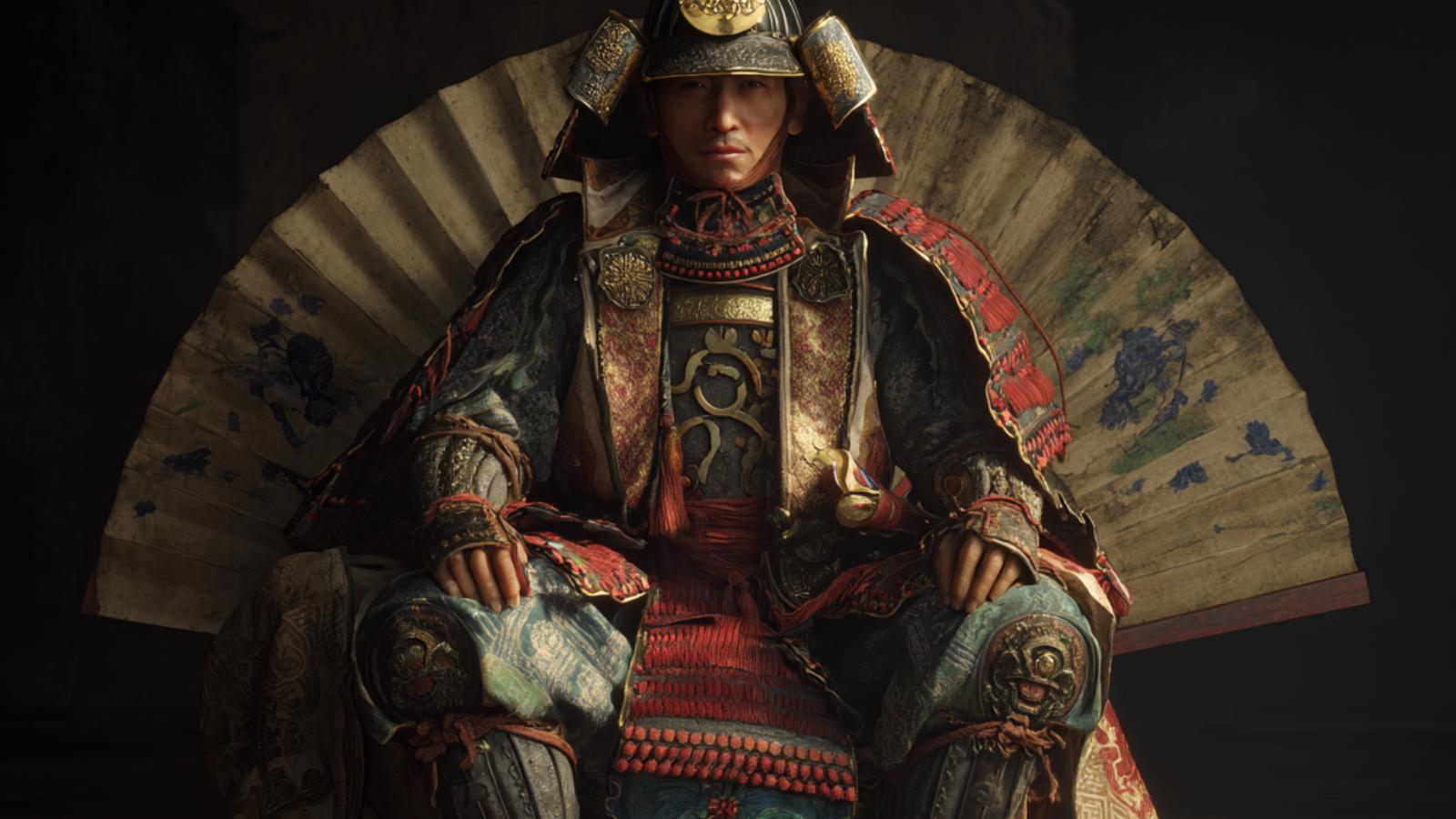
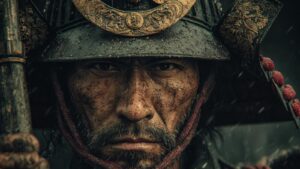
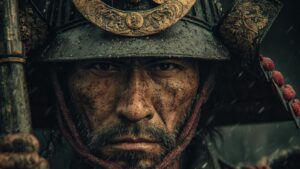
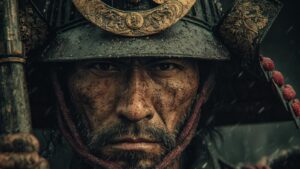
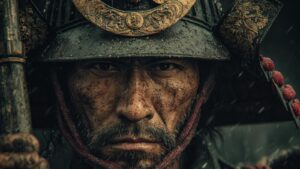
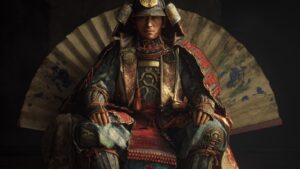
About Takeda Katsuyori
As a young boy, he was exposed to the art of war and the principles of governing a clan that had once flourished under his fathers leadership.
His upbringing in the Takeda household shaped not only his martial skills but also his values and philosophies regarding leadership.
After the death of Shingen in 1573, Katsuyori ascended to the position of Daimyo at a time when the Takeda clan was facing numerous challenges from rival clans and the rising power of the Tokugawa.
Despite inheriting a formidable reputation, Katsuyori struggled to command the same respect and loyalty that his father had garnered.
The clans power waned under his leadership due to failed alliances and costly military campaigns.
Katsuyori is most noted for his role in the during the latter part of the Sengoku period.
Notable among these were the of Nagashino and Temmokuzan.
At Nagashino in 1575, the Takeda forces faced a devastating defeat against Oda Nobunaga’s innovative use of musketeers, marking a significant decline in Katsuyoris military reputation.
The losses he suffered were compounded by internal strife and desertions from his own ranks, leading to the swift collapse of the once-mighty Takeda clan.
Takeda Katsuyoris is one marked by the resilience and determined spirit of a lord who faced insurmountable odds.
His downfall at the hands of the Tokugawa forces ultimately led to the dissolution of the Takeda clan, but his persists in Japanese history as a reminder of the complexities and tumult of the Sengoku era.
He remains a subject of respect for the noble values and the honor he aspired to uphold until his final days.
comment