
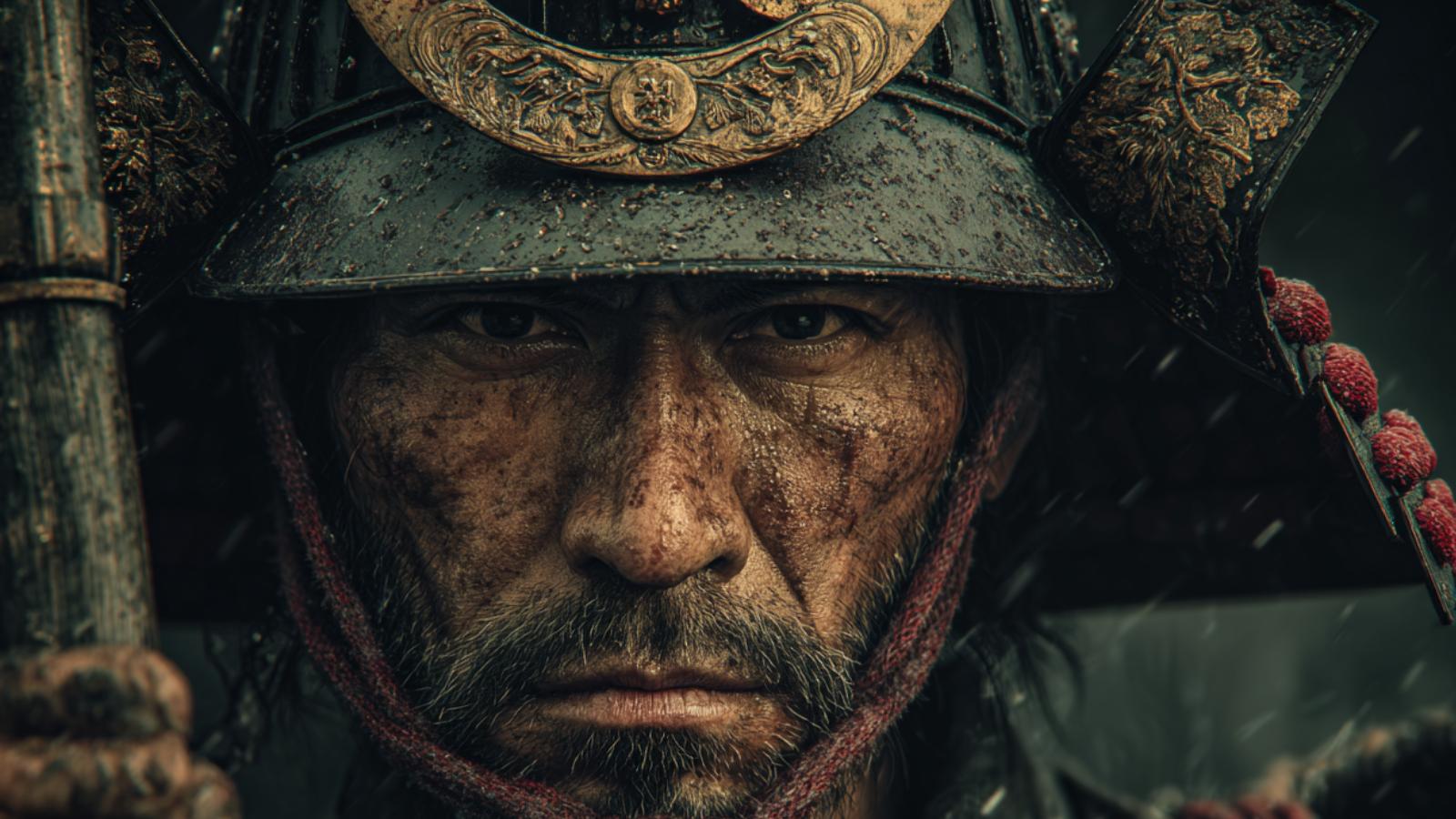
“忠義を尽くすは武士の本懐”
— To fulfill loyalty and righteousness is the samurai’s true calling.

| Lead 統率 |
Valor 武勇 |
Intel 知略 |
Pol 政治 |
|---|---|---|---|
| 70 | 65 | 75 | 60 |
| Name (JP) | 石川 数正 |
|---|---|
| Title | Chief Retainer |
| Clan / Force | Tokugawa Clan |
| Era | 1532 – 1584 |
| Origin | Mutsu |
| Key Battles | |
| Arts | Calligraphy |
About Ishikawa Kazumasa
Though coming from a samurai family, not much is documented about his early childhood.
It is believed that he was well educated in martial arts and strategy, which would set the foundation for his later exploits., Kazumasa served under several clans during the tumultuous Sengoku period.
His loyalty and skills in combat quickly earned him recognition among his peers.
He eventually became a chief retainer, known for his strategic acumen and ability to inspire those around him., Throughout his career, Kazumasa participated in numerous .
His most notable actions were during the conflicts involving powerful clans like the Date and Uesugi.
He showcased his abilities as both a warrior and a commander, often leading troops into battle despite facing overwhelming odds., Ishikawa Kazumasa is remembered as a capable general who emphasized loyalty above all.
Though not as famous as some of his contemporaries, his contributions to the samurai culture and military tactics were notable.
His motto reflects the samurai principles of honor and loyalty, making a lasting impact on those who followed the way of the warrior.









comment