
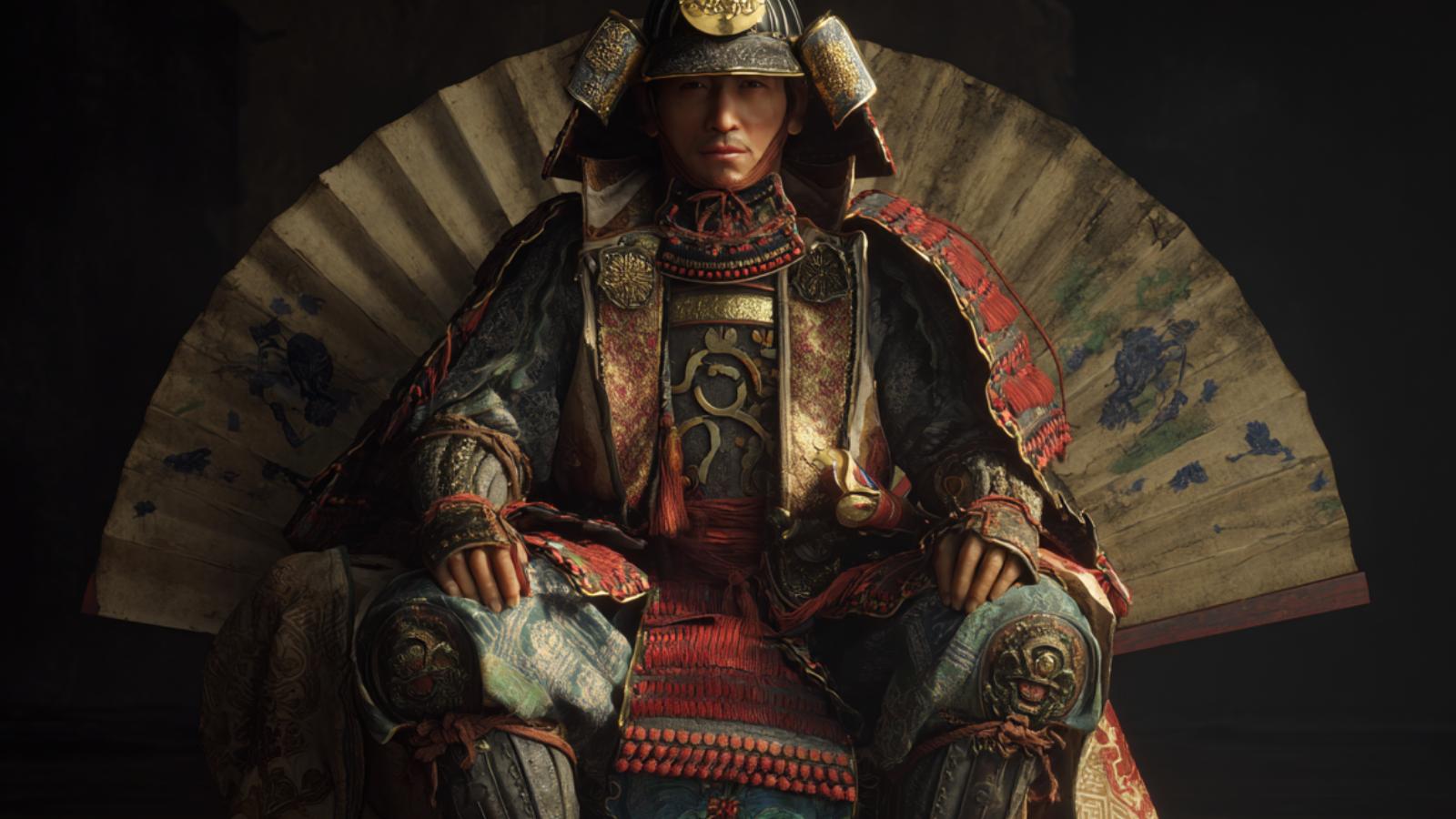
“困難を乗り越え、優れた者が生まれる。”
— Great ones are born from overcoming difficulties.

| Lead 統率 |
Valor 武勇 |
Intel 知略 |
Pol 政治 |
|---|---|---|---|
| 82 | 75 | 78 | 80 |
| Name (JP) | 結城 秀康 |
|---|---|
| Title | Daimyo |
| Clan / Force | Tokugawa Clan |
| Era | 1561 – 1633 |
| Origin | Shimotsuke |
| Key Battles | |
| Arts | Tea Ceremony |
About Yuki Hideyasu
He came from the Yuki clan, a family of shugo (military governors) with a long-standing association with the region.
From an early age, Hideyasu showed signs of exceptional talent in both military and political matters, influenced by the chaotic environment of the Sengoku period and the of his ancestors.
As a young warrior, Hideyasu served under the Takeda clan, where he honed his skills in battle and subterfuge.
By the time he was in his thirties, he had established a reputation as a capable leader, earning the respect of both his peers and superiors.
In 1582, following the death of Takeda Shingen, the power vacuum in the region allowed Hideyasu to further in prominence.
He allied with the Tokugawa clan, finding favor with Tokugawa Ieyasu, which significantly enhanced his standing in Japanese feudal society.
Hideyasu participated in numerous throughout his career, notably at the Siege of Takato and the of Sekigahara, where his strategic decisions proved crucial.
His ability to command troops effectively and his personal valor in earned him accolades and further cemented his as a skilled general.
Despite facing challenges and opposition, he remained a formidable presence on the battlefield and a loyal supporter of his allies.
Yuki Hideyasus contributions to the unification of Japan under the Tokugawa shogunate are not to be overlooked.
He played a pivotal role in various military campaigns and was respected for his governance and skillful diplomacy.
His descendants continued to serve in significant roles within the Tokugawa regime, and his as a competent daimyo and strategist remains evident in Japanese history.









comment