
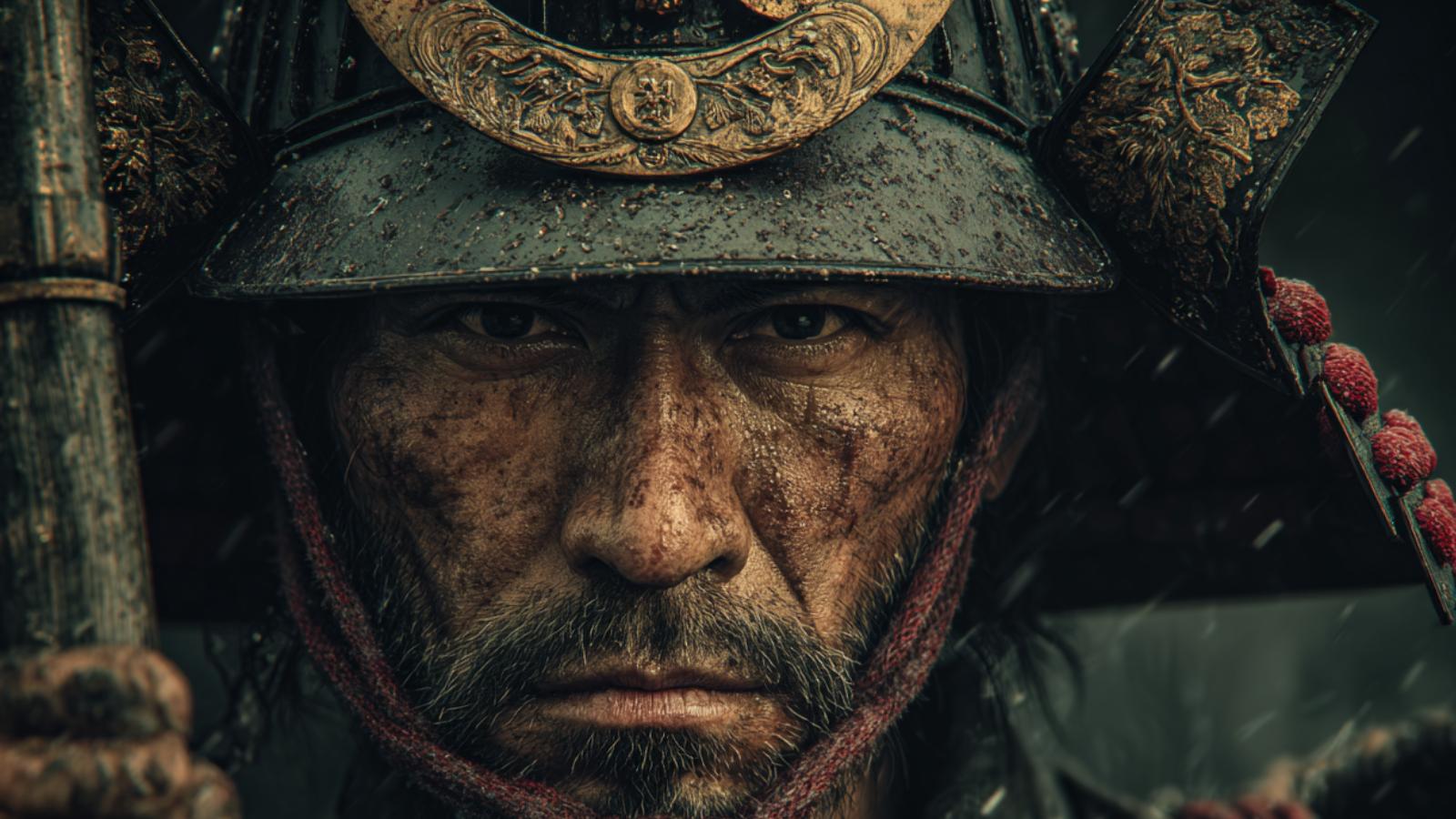
“武士の道は、忠義と名誉に生きることだ。”
— The way of the samurai is to live for loyalty and honor.

| Lead 統率 |
Valor 武勇 |
Intel 知略 |
Pol 政治 |
|---|---|---|---|
| 75 | 80 | 70 | 65 |
| Name (JP) | 柳生 兵庫助 |
|---|---|
| Title | Chief Retainer |
| Clan / Force | Yagyu Clan |
| Era | 1545 – 1626 |
| Origin | Miyoshi |
| Key Battles | |
| Arts | Kenjutsu |
About Yagyu Hyogonosuke
From a young age, Hyogonosuke was steeped in the traditions of the samurai, training rigorously in kenjutsu and other martial arts.
His upbringing set the framework for his future as a warrior, instilling not only combat skills but also the samurai code of honor and loyalty.
As a member of such a distinguished lineage, he was expected to uphold the family’s of martial excellence.
Hyogonosuke’s in the ranks of the Tokugawa clan was marked by his dedication and strategic mind.
He served under Tokugawa Ieyasu during critical, including the Battle of Sekigahara in 1600, where his valor shone brightly.
His combat skills were not only applicable on the battlefield; he also played a significant role in training other samurai, thus propagating the Yagyu school of swordsmanship.
This contributed to the overall strengthening of Tokugawas military forces as they established control over Japan.
Throughout his military career, Yagyu Hyogonosuke participated in numerous that tested his prowess and loyalty.
His involvement in conflicts during the Sengoku period allowed him to demonstrate his combative capabilities and tactical acumen.
Notably, his exceptional skills in one-on-one combat earned him respect among peers and adversaries alike.
His reputation was not just built on his battlefield successes but also on his ability to inspire and mentor young samurai in the art of sword fighting.
Yagyu Hyogonosukes is prevalent in the martial arts community, especially within the traditions of kenjutsu.
The techniques he developed and practiced have been passed down through generations, reflecting the values of discipline and honor inherent to the samurai culture.
His life and teachings inspired countless warriors who came after him, ensuring that the spirit of the Yagyu heritage endures.
Hyogonosuke passed away in 1626, but his contributions to the samurai ethos resonate in the minds and practices of martial artists to this day.









comment