
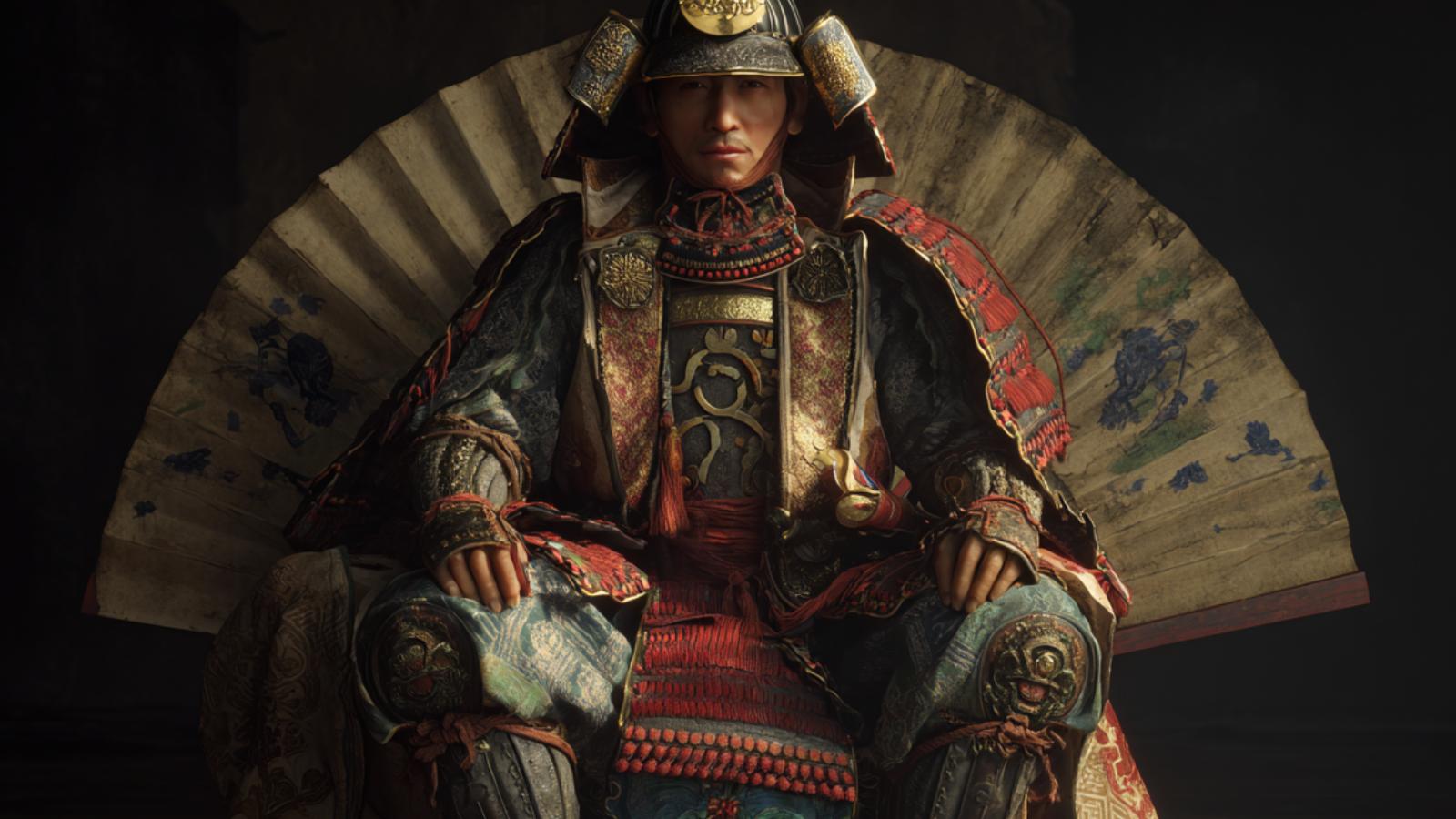
“忠義は武士の本分なり。”
— Loyalty is the essence of a warrior.

| Lead 統率 |
Valor 武勇 |
Intel 知略 |
Pol 政治 |
|---|---|---|---|
| 75 | 80 | 70 | 65 |
| Name (JP) | 鳥居 元忠 |
|---|---|
| Title | Daimyo |
| Clan / Force | Tokugawa Clan |
| Era | 1538 – 1600 |
| Origin | Mutsu |
| Key Battles | |
| Arts | Calligraphy |
About Torii Mototada
Coming from a family of Shugo, he was raised in the samurai tradition, learning the ways of the sword and the importance of loyalty to ones lord.
His upbringing instilled in him a deep commitment to bushido, the way of the warrior, which he would uphold throughout his life.
As Japan entered the tumultuous Sengoku period, Mototada began his career serving under powerful daimyo.
He gained recognition for his tactical skills and bravery in battle, quickly advancing the ranks.
His reputation was solidified when he became a trusted retainer of the Tokugawa clan, serving under Tokugawa Ieyasu.
His loyalty to Ieyasu was unwavering, and he became known for his unwavering support and counsel.
Mototada played a crucial role in many during the late 16th century.
One of his most notable contributions was during the Siege of Fushimi Castle in 1600.
As forces aligned with Ishida Mitsunari laid siege, Mototada defended the castle against overwhelming odds.
His valor became legendary, choosing to fight to the last man rather than surrender.
His unwavering courage inspired those around him and solidified his as a paragon of samurai loyalty.
Though he perished during the siege, Torii Mototadas actions left an indelible mark on samurai history.
To this day, he is remembered as a symbol of loyalty and bravery, a true warrior whose commitment to his lord and his ideals inspired generations.
His life story serves as a testament to the warrior code and the sacrifices that samurais were willing to make for honor and loyalty.









comment