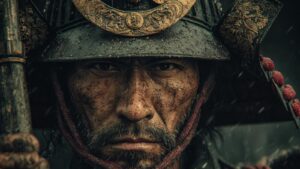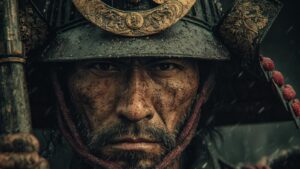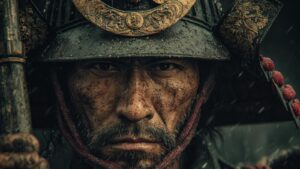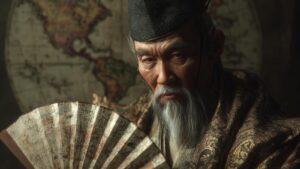
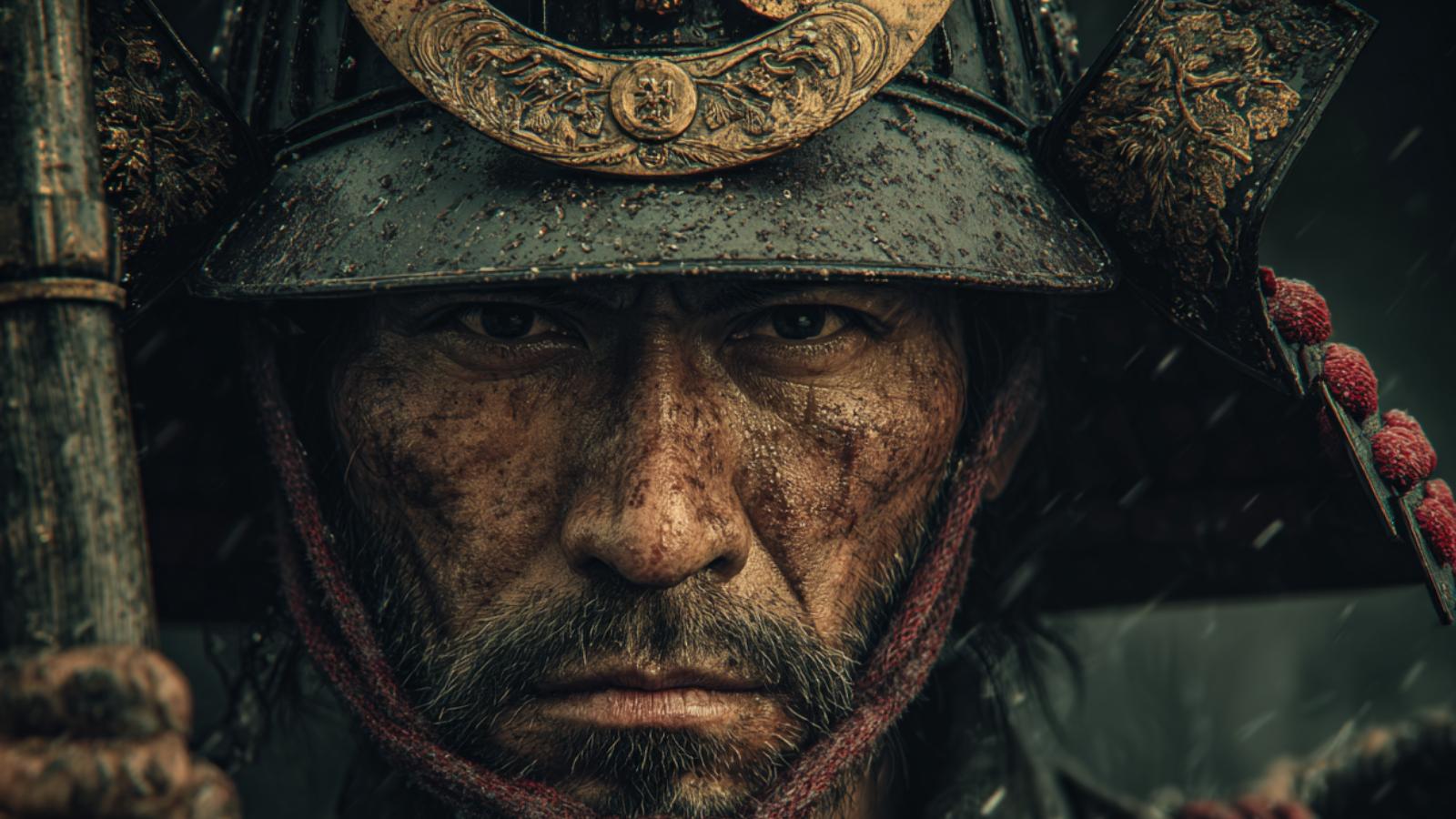
“武士は誇り高く、誇りを持って生きるべきだ。”
— A warrior should live proudly, holding onto honor.

| Lead 統率 |
Valor 武勇 |
Intel 知略 |
Pol 政治 |
|---|---|---|---|
| 72 | 68 | 75 | 70 |
| Name (JP) | 大久保 忠隣 |
|---|---|
| Title | Daimyo |
| Clan / Force | Unknown |
| Era | 1560 – 1628 |
| Origin | Hizen |
| Key Battles | |
| Arts | Noh Theater |
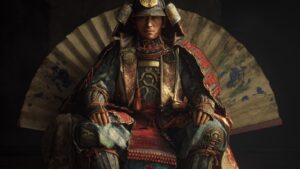
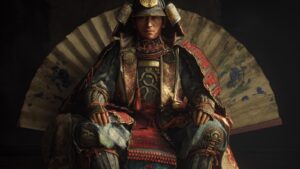
About Okubo Tadachika
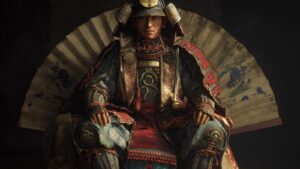
He was raised in a period of great turmoil as Japan was undergoing significant political changes during the Sengoku period.
His family, rooted in samurai lineage, instilled in him the values of honor, loyalty, and discipline from a young age.
Tadachikas early training in martial arts and strategy prepared him for the responsibilities he would later shoulder as a leader.
As a young man, Okubo Tadachika served under various warlords and was known for his tactical acumen on the battlefield.
His skills caught the attention of powerful figures, and he quickly advanced through the ranks, ultimately becoming a daimyo.
By aligning with key clans, he leveraged the shifting political landscape to enhance his own power and influence while maintaining the loyalty of his vassals.
His strategic alliances were instrumental during his, allowing him to navigate the complexities of samurai politics successfully.
Tadachika displayed notable leadership during several key in the late 16th and early 17th centuries.
His most distinguished actions included campaigns against rival clans attempting to encroach upon Hizen territory.
His abilities as a commander shone through his calculated maneuvers and inspiring presence, ensuring crucial victories for his forces.
While he may not have fought in the most famous of the era, his contributions to regional conflicts solidified his reputation as a capable general and a respected daimyo.
Following his death in 1628, Okubo Tadachika left behind a characterized by his dedication to the samurai code and his efforts in improving governance in Hizen.
He was known not only for his military prowess but also for promoting the arts, especially Noh theater, which flourished under his patronage.
His descendants continued to honor his, playing significant roles in the evolving landscape of Japan as the Edo period progressed.
Today, he is remembered as an astute leader who balanced the demands of warfare with the responsibilities of governance.