
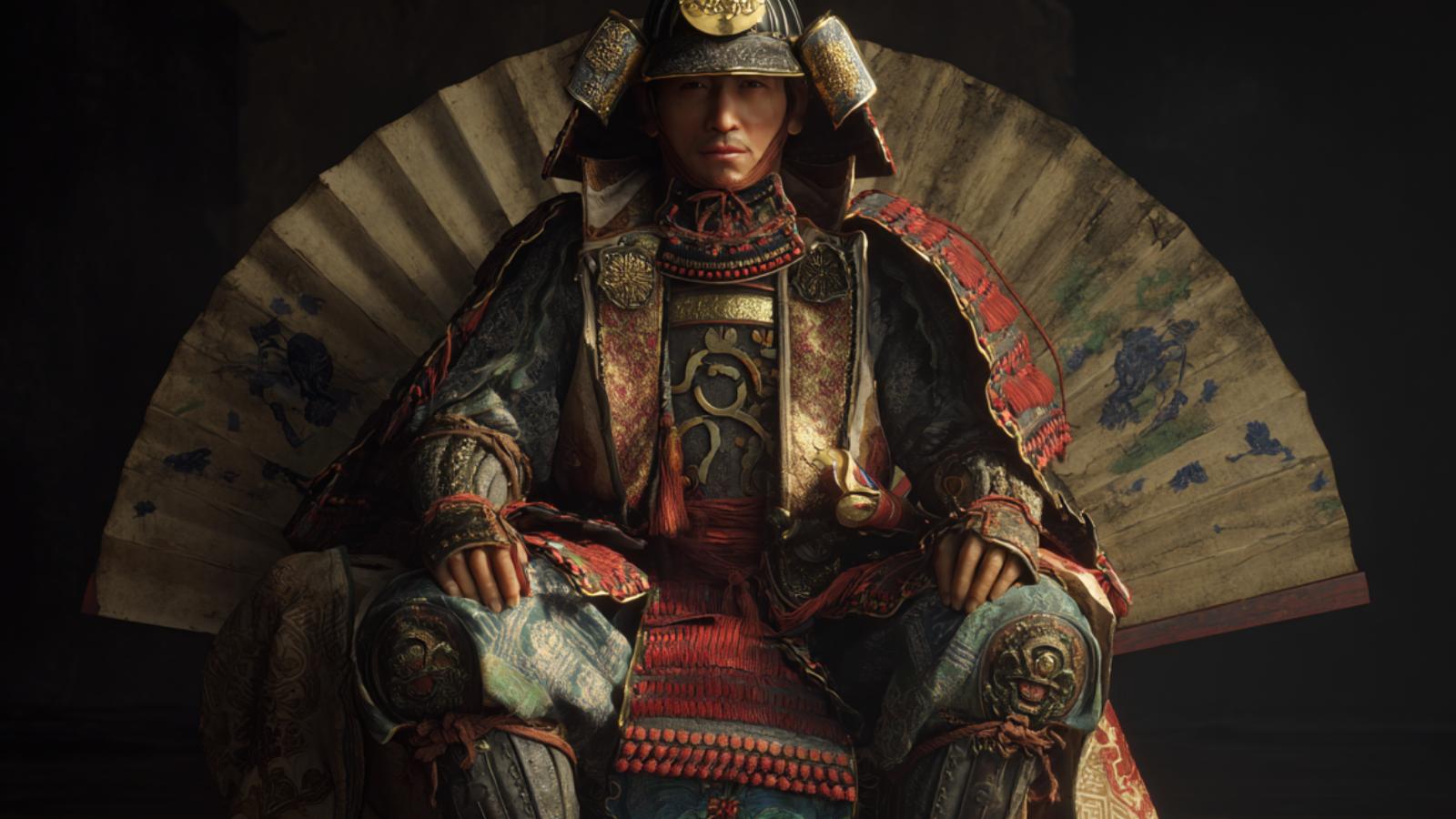
“吾が道を進む者には、勇気に勝る者なし。”
— There is no one braver than those who pursue their own path.

| Lead 統率 |
Valor 武勇 |
Intel 知略 |
Pol 政治 |
|---|---|---|---|
| 75 | 70 | 80 | 65 |
| Name (JP) | 毛利 勝永 |
|---|---|
| Title | Daimyo |
| Clan / Force | Mori Clan |
| Era | 1540 – 1600 |
| Origin | Chugoku |
| Key Battles | |
| Arts | Calligraphy |
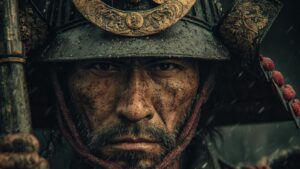
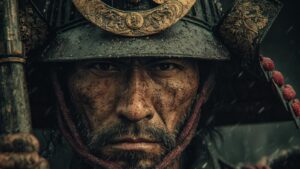
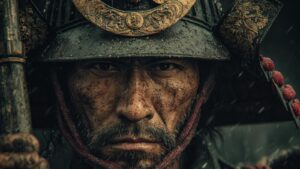
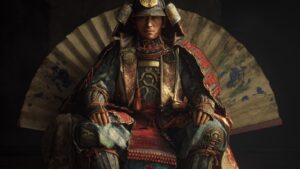
About Mori Katsunaga
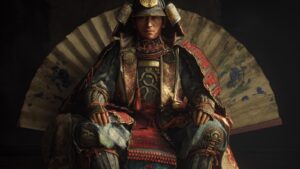
As a member of the Mori clan, leading figures in this area, Katsunaga was exposed to the turbulent politics and military strategies of the time from an early age.
Katsunaga served under the renowned Mori Motonari, his uncle, who was a master strategist and leader.
Demonstrating remarkable abilities in both governance and military tactics, he rose through the ranks and gained a reputation as a capable leader.
His leadership was characterized by his ability to unify his retainers and foster loyalty among them, which proved essential during the clans conflicts with neighboring factions.
Throughout his military career, Katsunaga participated in several notable, including engagements against the Amago and the Shimazu clan.
His strategic foresight often allowed him to outmaneuver larger forces and secure victories for the Mori clan.
One of his most significant moments came during the Siege of Takamatsu, where he played a crucial role in the siege’s success, showcasing his ability to lead troops effectively under pressure.
Despite his successes, Katsunagas life ended during the tumultuous transitional period following the of Toyotomi Hideyoshi.
He passed away in 1600, and his contributions to the Mori clans are remembered as part of Japans feudal history.
Today, he is considered among the capable generals of his time, representing the complexity and depth of loyalty and honor that defined the samurai era.
comment