
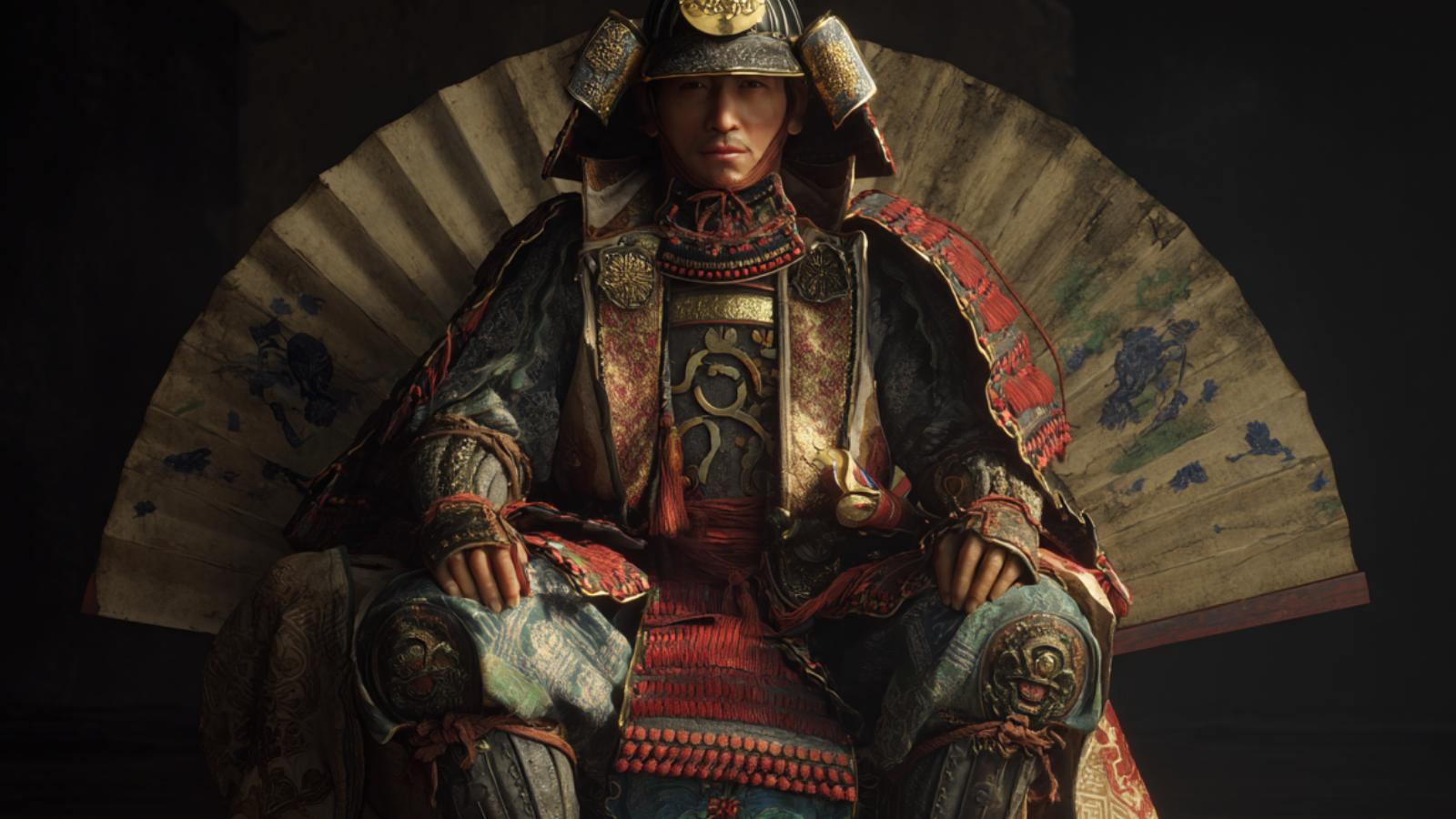
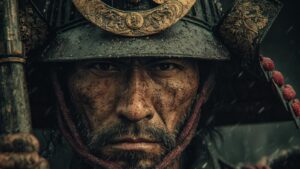
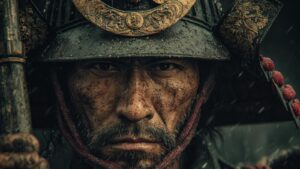
“自らの信念と忠誠を持って、戦を戦う。”
— Fight for your beliefs and loyalty.

| Lead 統率 |
Valor 武勇 |
Intel 知略 |
Pol 政治 |
|---|---|---|---|
| 75 | 70 | 78 | 70 |
| Name (JP) | 明石 全登 |
|---|---|
| Title | Daimyo |
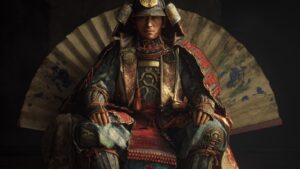
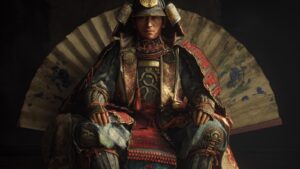
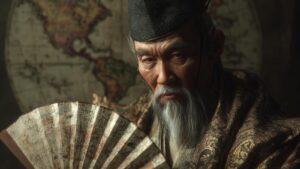
| Clan / Force | Historical portrait of Akashi Takenori, A dignified Japanese feudal lord, Sengoku period, wearing ornate armor and a jinbaori (surcoat), sitting on a camp stool, commanders fan, encampment background, majestic, no specific family crest, Sengoku period Japan, highly detailed, cinematic lighting, realistic digital art style, 8k resolution –ar 2:3 –v 6.0 |
| Era | 1560 – 1625 |
| Origin | Harima |
| Key Battles | |
| Arts | Martial Arts |
About Akashi Takenori
He belonged to a renowned family of shugo, which provided him with a strong martial and administrative foundation.
From an early age, Takenori was trained in the arts of war and governance, setting the stage for his future as a competent leader and strategist.
His upbringing in a tumultuous period fostered a sense of duty and loyalty that would define his character throughout his life.
Takenori emerged as a notable military leader in the decades following the unification efforts of Nobunaga and Hideyoshi.
His skills in governance were recognized when he was elevated to the status of daimyo, overseeing regions that were strategically important for the unification of Japan.
He balanced administrative responsibilities with military actions, exemplifying a leader who understood the importance of maintaining both control and morale among his troops.
Throughout his career, Akashi Takenori participated in several key that shaped the landscape of Japan during the late Sengoku period.
His ability to strategize, alongside his capacity to inspire loyalty in his followers, allowed him to emerge victorious in numerous confrontations, often against seemingly insurmountable odds.
His personal valor was noted in various conflicts, although there were others whose prowess overshadowed his.
Though Akashi Takenori may not be as well-remembered as some of his contemporaries, his contributions to the unification of Japan and his exemplary leadership qualities are evident in the history of the era.
He remains a figure of loyalty and strategy, with a that resonates in the many leaders that followed.
His quote, 自らの信念と忠誠を持って、戦を戦う。 serves as a reminder of the principles upon which he built his life and command.”,,Real,Battle of Sekigahara

comment