
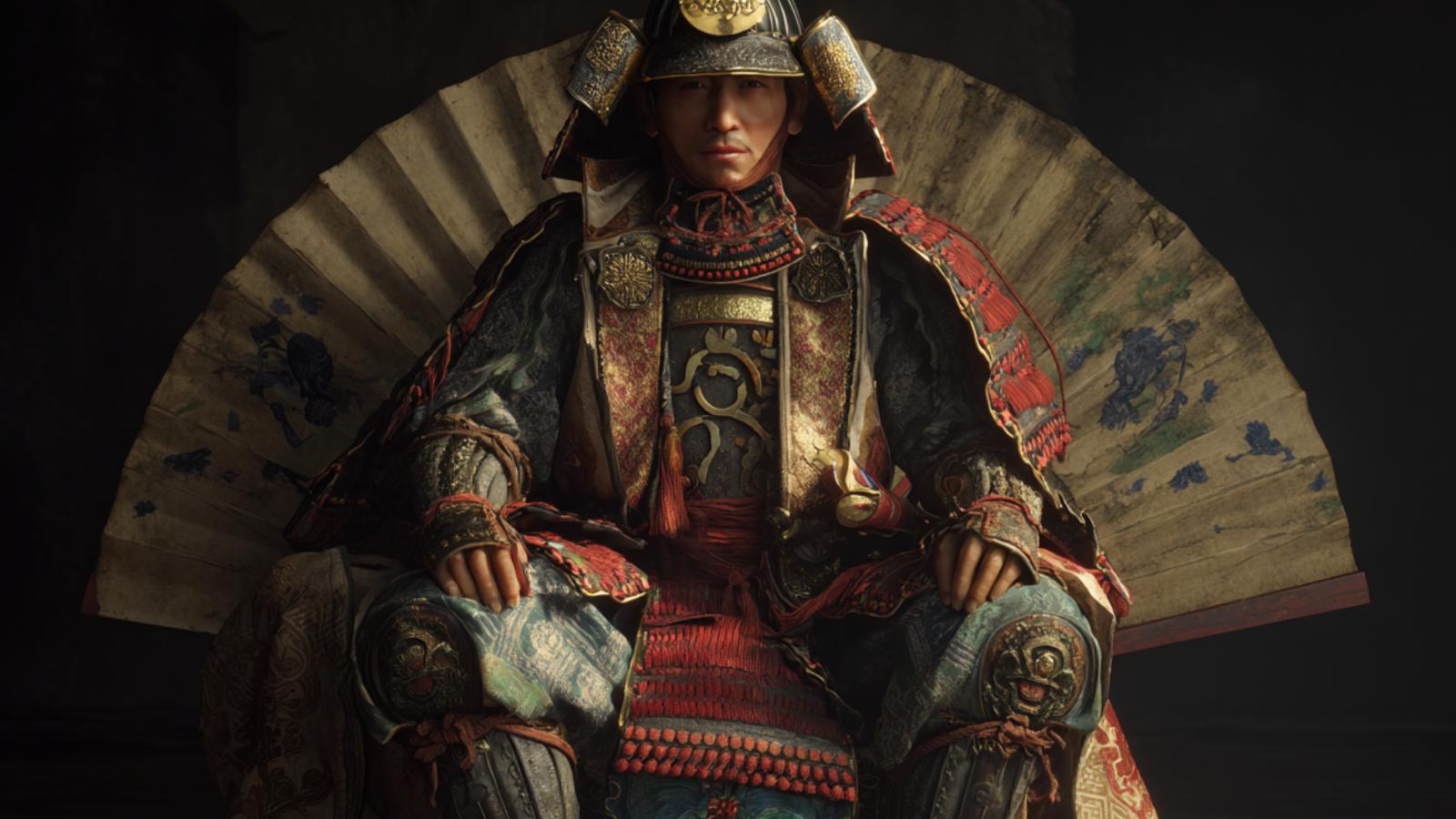
“義を以て信を得るべし。”
— One should earn trust through righteousness.

| Lead 統率 |
Valor 武勇 |
Intel 知略 |
Pol 政治 |
|---|---|---|---|
| 80 | 75 | 85 | 70 |
| Name (JP) | 真田 信之 |
|---|---|
| Title | Daimyo |
| Clan / Force | Sanada Clan |
| Era | 1563 – 1658 |
| Origin | Shinano |
| Key Battles | |
| Arts | Noh Theater |
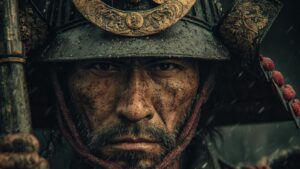
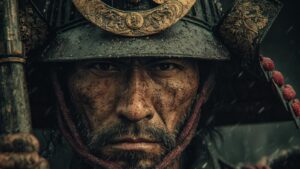
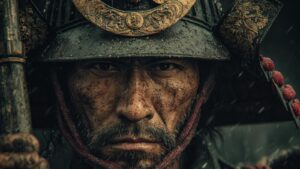
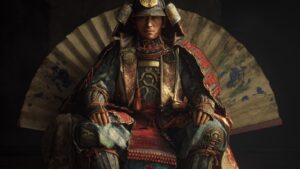
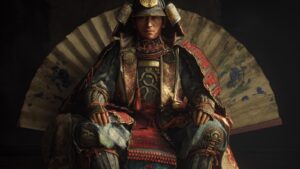
About Sanada Nobuyuki
His family was part of the Sanada clan, well-known in the region for their military skills and local influence.
Being raised in such a turbulent environment, he was groomed from a young age to be a skilled warrior and leader.
Nobuyuki grew up observing the political dynamics and strategies of the samurai world, preparing him for his later years as a military commander.
Nobuyukis began during the late Sengoku period, where he played a central role in supporting his brother, Sanada Yukimura, in various .
Despite the lesser fame compared to his brother, Nobuyuki demonstrated remarkable leadership and tactical intelligence.
He was instrumental during pivotal conflicts like the Siege of Osaka, where his strategic planning and ability to adapt to changing battlefield conditions stood out.
His effectiveness in managing troops earned him respect among his peers and reinforced his position within the Sanada clan.
Throughout his career, Nobuyuki engaged in several notable .
His tactical acumen was evident during skirmishes against the Tokugawa forces, where he used guerrilla tactics to outmaneuver and confuse larger enemy units.
These engagements not only showcased his military capabilities but also fortified his reputation as a capable leader who valued loyalty and honor.
His involvement in the Siege of Osaka marked a significant moment where he had to balance the complex loyalties of clan warfare against larger political machinations.
Nobuyukis is often overshadowed by his brother Yukimura; however, he remains a respected figure in samurai history.
His commitment to the principles of bushido and his efforts to maintain the Sanadas standing in a changing landscape of feudal Japan continue to be highlighted.
Nobuyuki was not only a formidable leader but also a cultural patron, enhancing the arts, notably Noh theater, within his domain.
His contributions help to illustrate the nuanced roles samurai played beyond mere warriors in a shifting political arena.
comment