
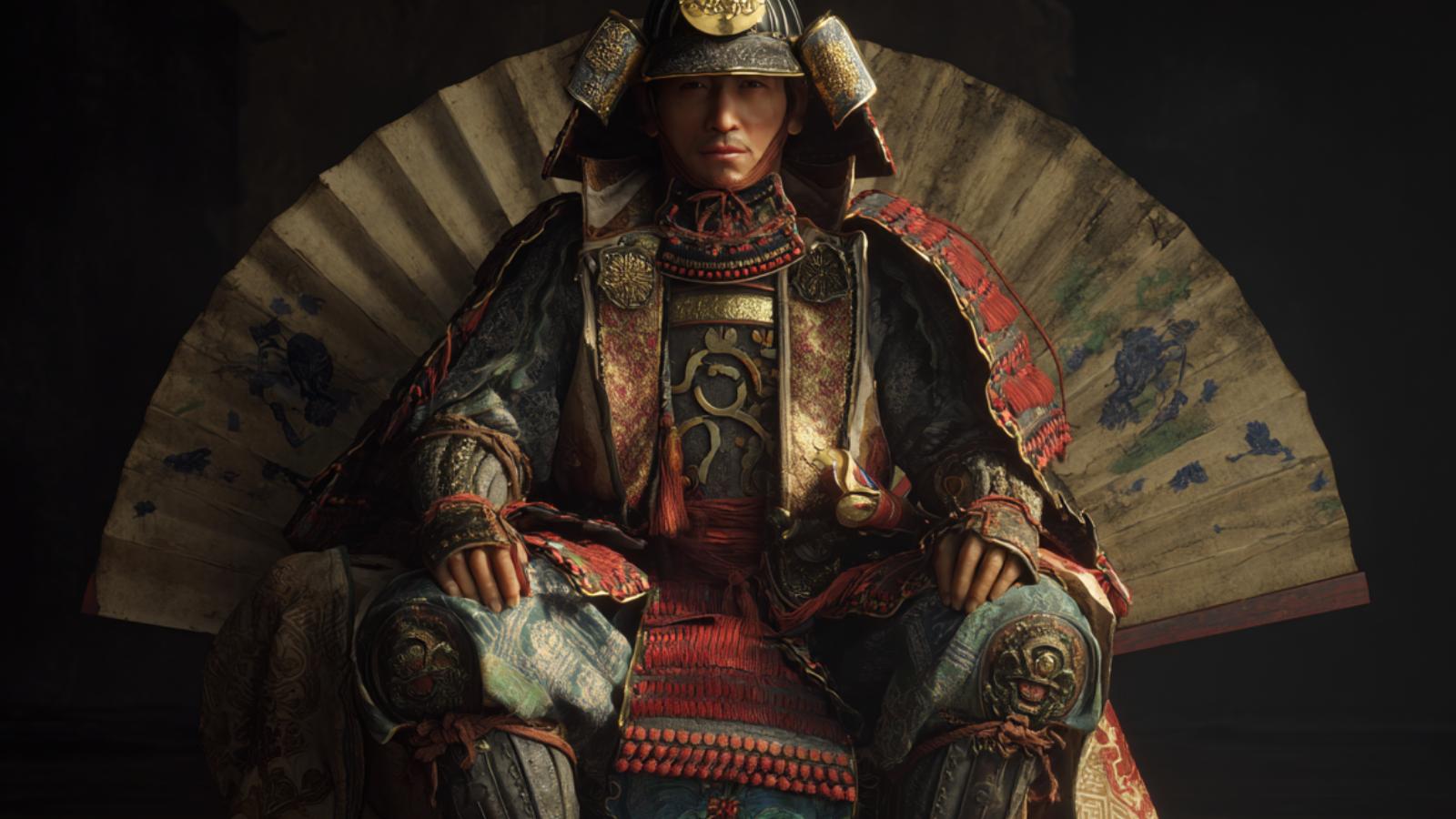
“生きることは戦いである。”
— To live is to fight.

| Lead 統率 |
Valor 武勇 |
Intel 知略 |
Pol 政治 |
|---|---|---|---|
| 72 | 78 | 70 | 65 |
| Name (JP) | 脇坂 安治 |
|---|---|
| Title | Daimyo |
| Clan / Force | Tokugawa Clan |
| Era | 1548 – 1626 |
| Origin | Bizen |
| Key Battles | |
| Arts | Swordsmanship |
About Wakisaka Yasuharu
From a young age, he was immersed in the martial traditions that characterized the time.
Coming from a lineage of Shugo, or military governors, he was taught the ways of the sword and strategy, which would later define his life.
Yasuharus to power coincided with the chaotic Sengoku period, a time of near-constant military conflict in Japan.
As he grew older, he became a retainer to powerful warlords, showcasing his abilities both on and off the battlefield.
He earned a reputation for his valor in combat and a keen tactical mind, which allowed him to steadily ascend the ranks of samurai leadership.
He participated in numerous during his career, often fighting alongside notable figures such as Toyotomi Hideyoshi and Tokugawa Ieyasu.
Yasuharus skills in battle were not only marked by individual prowess but also his ability to lead troops effectively.
His intelligence in strategy often helped his allied lords achieve significant victories, earning him respect and influence among his peers.
Wakisaka Yasuharu’s is one of skill, tenacity, and dedication to the samurai way of life.
His commitment to his lord and his domain is remembered in historical texts that highlight his contributions to the unification of Japan.
Despite not achieving the legendary status of some contemporaries, Yasuharu remains a respected figure, eming the spirit of the samurai with his quote, 生きることは戦いである。 His life serves as a testament to the values of courage and loyalty that defined the era.









comment