
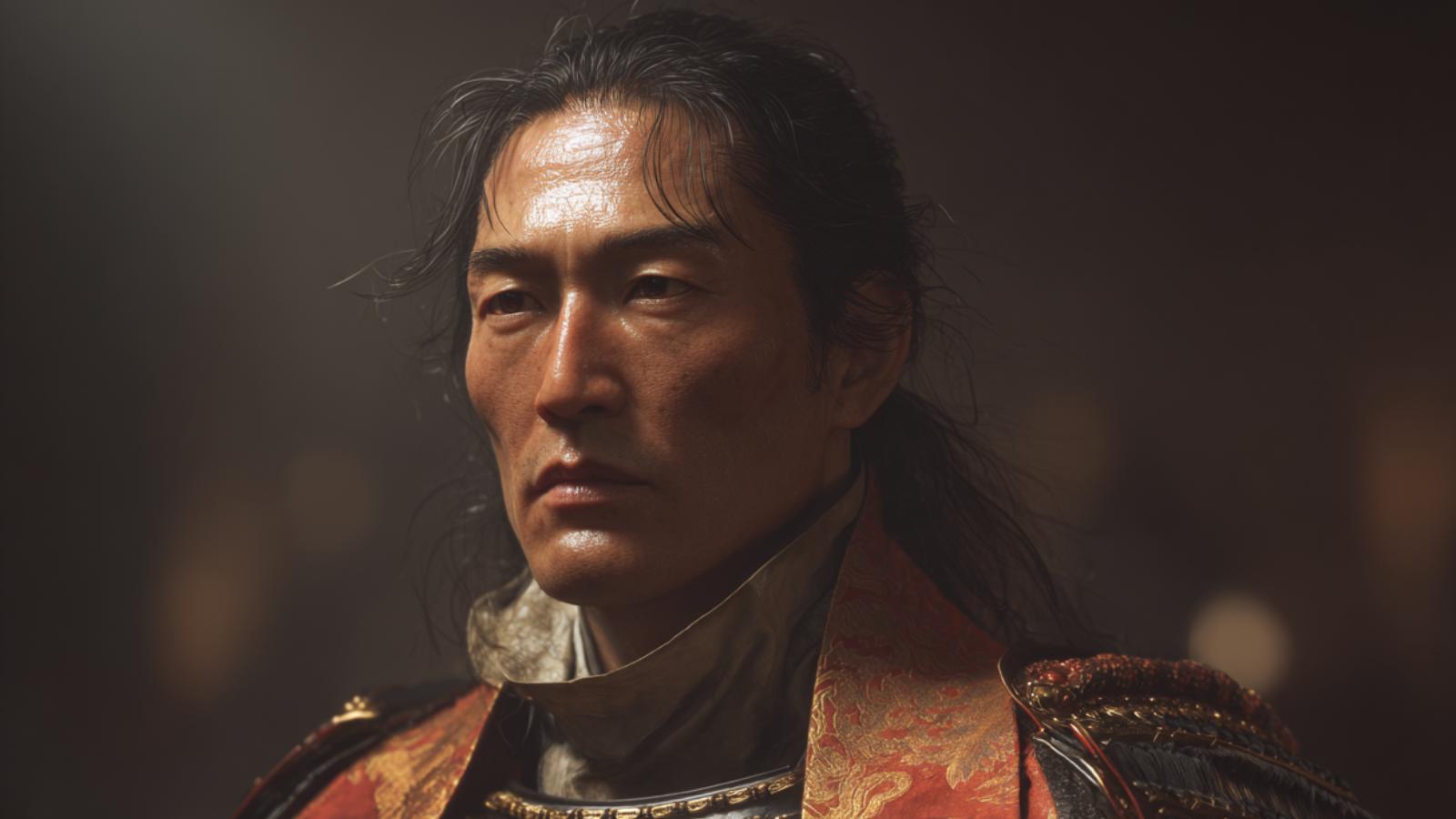
“戦は時に確実で、勝利は努力で得られる。”
— War is sometimes certain, and victory is earned through effort.

| Lead 統率 |
Valor 武勇 |
Intel 知略 |
Pol 政治 |
|---|---|---|---|
| 85 | 80 | 90 | 75 |
| Name (JP) | 小西 行長 |
|---|---|
| Title | Daimyo |
| Clan / Force | Toyotomi Army |
| Era | 1560 – 1600 |
| Origin | Higo |
| Key Battles | |
| Arts | Noh Theatre |
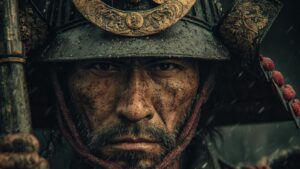
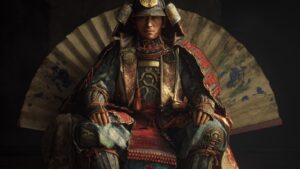
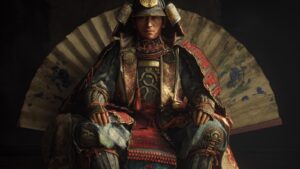
About Konishi Yukinaga
Little is known about his early years, but he was originally a retainer of the Akamatsu clan.
His education and martial training prepared him for a life in the tumultuous era of the Sengoku period.
Yukinagas career began to significantly when he served under Toyotomi Hideyoshi.
His intellect and valor in battle quickly caught the attention of his superiors, leading to his eventual elevation in rank.
He played crucial roles in various campaigns, including the conquest of Shikoku and the Korean invasions, demonstrating his skills as a capable general.
Throughout his career, Yukinaga was involved in several notable .
His strategic foresight during the Siege of Odawara showcased his military acumen, and he was instrumental in the decisive victory at the Battle of Nagakute.
These victories solidified his reputation as one of the leading samurai of his time, known for his tactical innovations and leadership on the battlefield.
Konishi Yukinagas is a complex one.
Though he initially fought for the unification of Japan under Hideyoshi, his later conflicts during the Sekigahara campaign led to his downfall.
After being defeated in battle, he was executed in 1600.
Despite his tragic end, Yukinaga is remembered for his contributions to Japanese warfare and culture.
His life epitomizes the duality of loyalty and ambition in the fierce world of samurai.
comment