
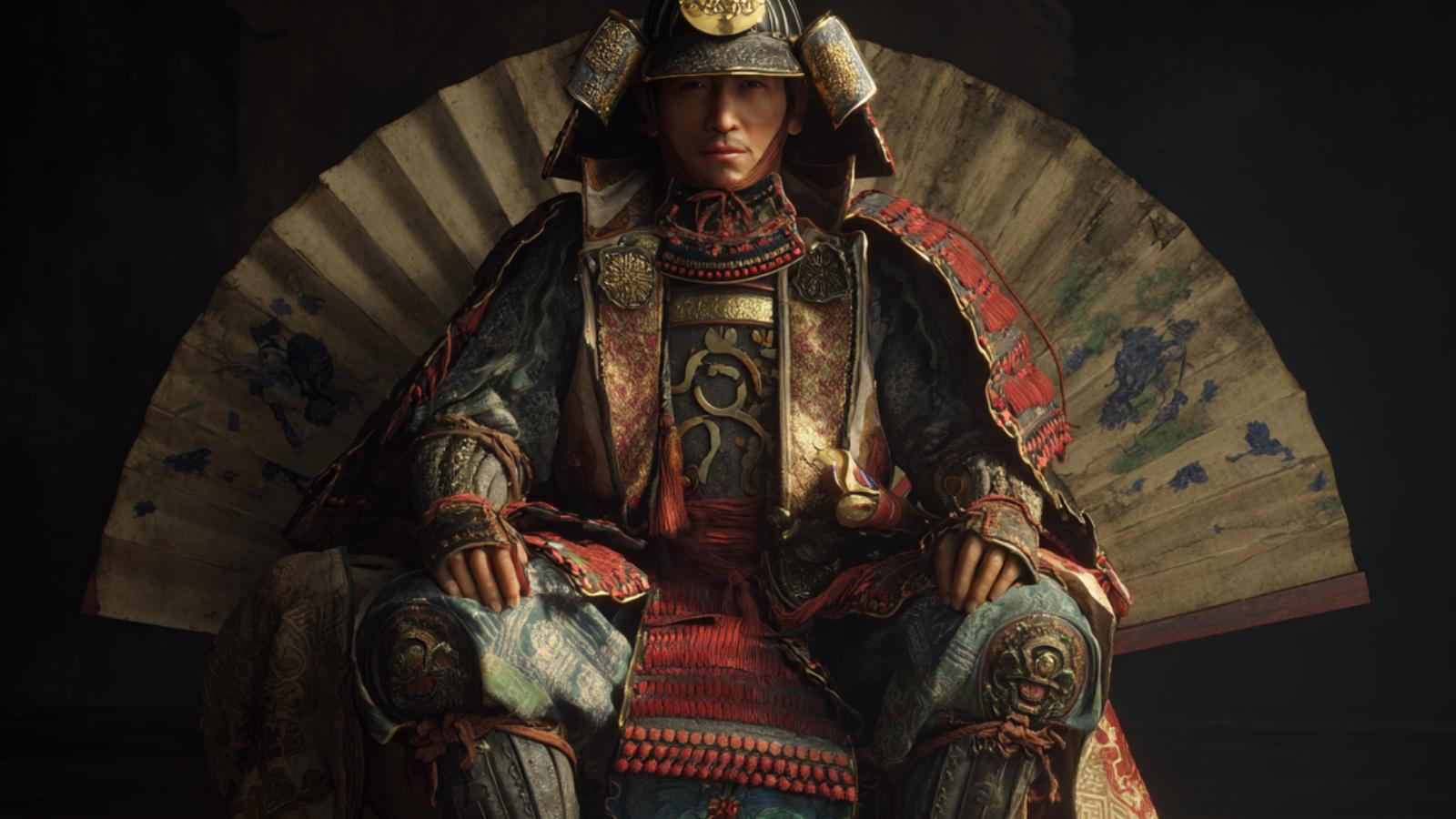
“世の中は一時の夢と思え。”
— Consider the world nothing but a momentary dream.

| Lead 統率 |
Valor 武勇 |
Intel 知略 |
Pol 政治 |
|---|---|---|---|
| 70 | 60 | 75 | 80 |
| Name (JP) | 安国寺 恵瓊 |
|---|---|
| Title | Daimyo |
| Clan / Force | Toyotomi Clan |
| Era | 1536 – 1605 |
| Origin | Kōzuke |
| Key Battles | |
| Arts | Noh Theater |
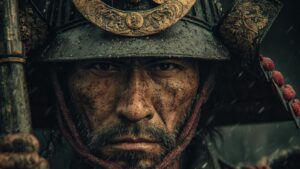
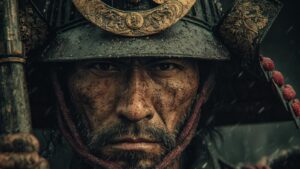
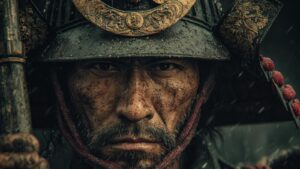
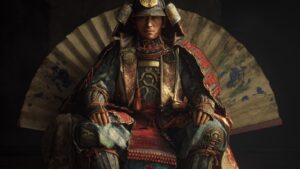
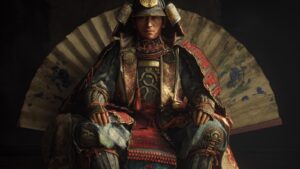
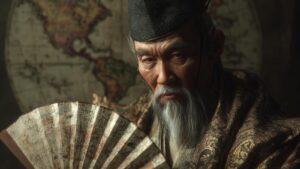
About Ankokuji Ekei
Coming from a family of minor samurai, he was trained from a young age in both martial and cultural arts.
His early exposure to the political machinations of the time influenced his later decisions and allegiances., Ekei rose to prominence during the tumultuous Sengoku period, aligning himself with powerful figures and proving his strategic skills.
He was known for his capacity to form crucial alliances and navigate the shifting political landscape with finesse.
Ekei’s intelligence was evident as he advised powerful daimyōs while maintaining his own authority and influence in Kōzuke., Throughout his life, Ankokuji Ekei participated in several notable, showcasing his capability as a general.
While not the most celebrated warrior, his strategic acumen allowed him to emerge relatively unscathed compared to others in his era.
His exceptional ability in governance and diplomacy helped him to hold onto power despite the numerous conflicts that arose around him., Ankokuji Ekeis contributions are often overshadowed by more famous generals, yet his remains significant.
He is remembered as a capable leader who navigated the complexities of his time with grace and cunning.
His thoughts on the transient nature of power and life continue to resonate, illustrating the philosophical depth often found within the samurai class.
comment