

“戦うことで見えてくるものがある。”
— There are things that become clear through battle.

| Lead 統率 |
Valor 武勇 |
Intel 知略 |
Pol 政治 |
|---|---|---|---|
| 85 | 75 | 80 | 70 |
| Name (JP) | 吉川 広家 |
|---|---|
| Title | Daimyo |
| Clan / Force | Mori Clan |
| Era | 1530 – 1586 |
| Origin | Bingo |
| Key Battles | |
| Arts | Calligraphy |
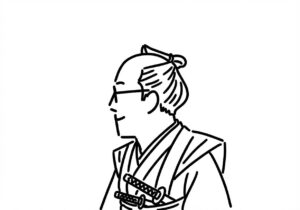
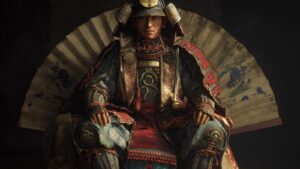
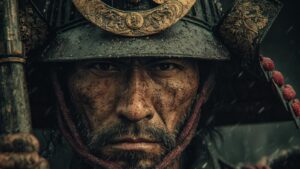
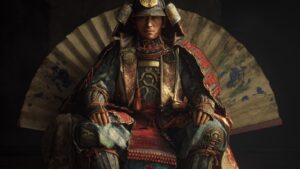
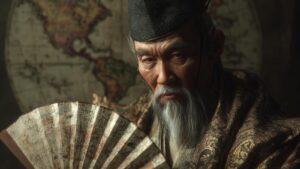
About Kikkawa Hiroie
He grew up during a time of constant conflict in Japan, the Sengoku period, influencing his development as a military leader.
His family was relatively prominent but not among the top-tier rulers in the area.
As a young man, he was trained in the arts of warfare and strategy, demonstrating a keen intellect and valor.
Hiroies to power began after aligning with the influential Mōri clan, serving as a capable general under Mōri Motonari.
His loyalty and tactical abilities were instrumental in numerous against rival clans, earning him respect and prominence in the region.
He played a crucial role in consolidating the Mōris power across western Honshu, participating in campaigns that expanded their territories.
Throughout his military career, Hiroie participated in various significant, including the Siege of Takamatsu where he showcased his strategic prowess.
He was known for his unique tactics and ability to inspire his troops.
His solid combat skills and leadership earned him admiration from his peers and allies, particularly in crucial engagements against the Shimazu clan.
Kikkawa Hiroie is remembered as one of the notable figures of his time, a capable daimyo who balanced his martial responsibilities with governance.
His contributions to the Mōri clans expansion had lasting impacts on the region, and today, he is honored as a skilled strategist and warrior in the annals of Japanese history.
His continues, especially in the context of samurai culture and the significance of loyalty and tactical intelligence in warfare.
comment