
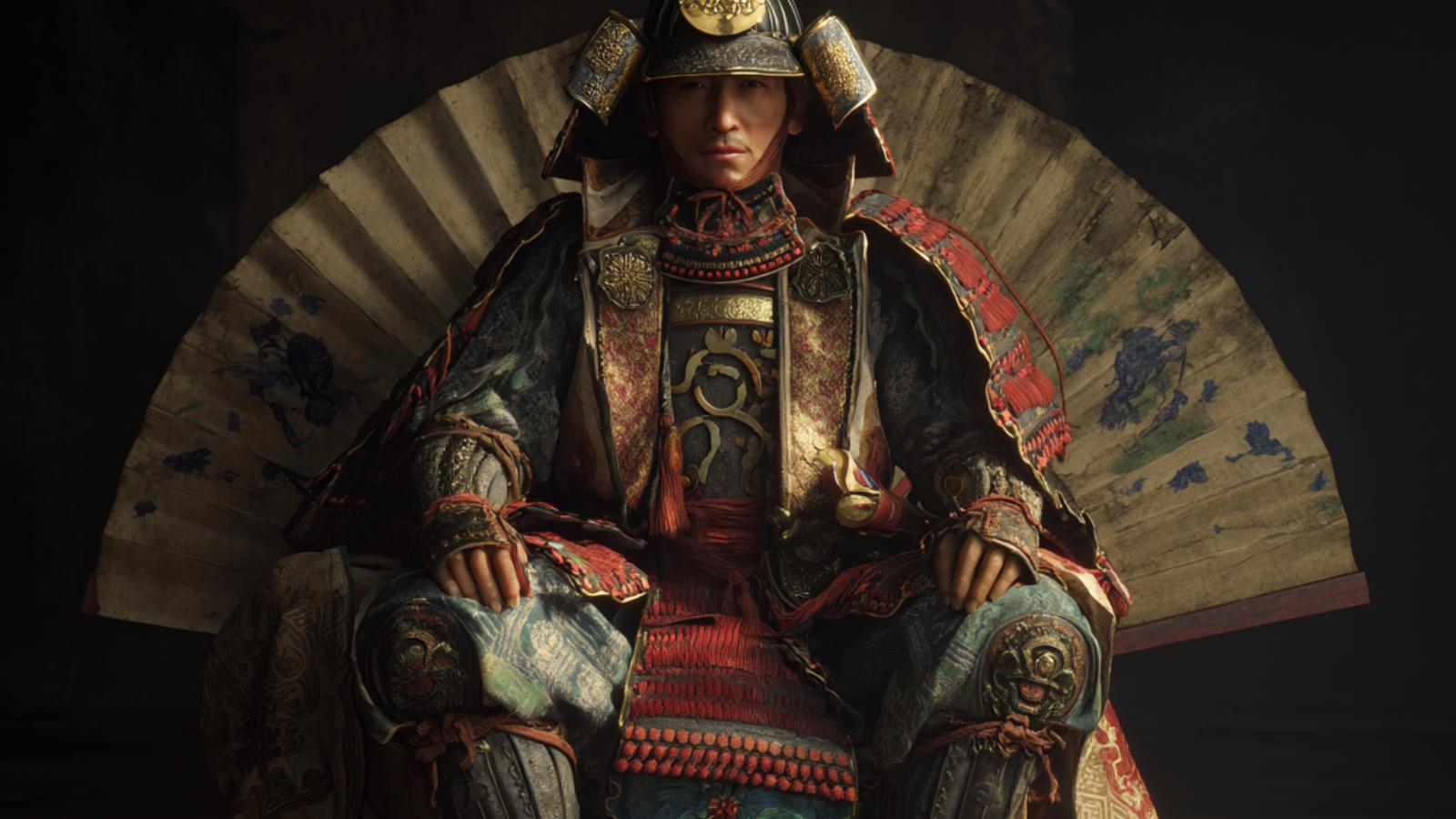
“人を動かす力は、実ることから生まれる。”
— The power to move people comes from achieving results.

| Lead 統率 |
Valor 武勇 |
Intel 知略 |
Pol 政治 |
|---|---|---|---|
| 85 | 70 | 80 | 75 |
| Name (JP) | 毛利 輝元 |
|---|---|
| Title | Daimyo |
| Clan / Force | Mōri Clan |
| Era | 1553 – 1625 |
| Origin | Chōshū |
| Key Battles | |
| Arts | Noh Theatre |
About Mori Terumoto
From an early age, Terumoto was groomed for leadership, learning the ways of governance, strategy, and martial skills that would prepare him for the turbulent times ahead.
His familys influence and successes laid a strong foundation for his in the ranks of the samurai class., After the death of his father in 1571, Terumoto inherited the familys domain, Chōshū, and took on a leading role in the clan.
His talents quickly attracted attention during the against the powerful Uesugi and Takeda clans, where he proved his worth both as a commander and a tactician.
Terumotos ability to form alliances and maintain the loyalty of his vassals established him as a force to be reckoned with during the intense struggles for power that characterized the Sengoku period., One of Terumotos most significant contributions came during the Siege of Takamatsu in 1582, where he played a vital role in supporting Toyotomi Hideyoshis campaign against the Takeda clan.
His leadership and outstanding skills in the field earned him respect among his peers.
Throughout his career, Terumoto participated in several key, including the Battle of Sekigahara in 1600.
Although a supporter of the Western Army, his forces were ultimately unsuccessful, which resulted in a decline in his power., Despite the setbacks he faced in later years, Mori Terumoto remained an influential figure well into the Edo period.
He was known not only for his military prowess but also for his patronage of the arts, including Noh theatre, and is remembered as a cultural figure.
Terumotos contributions to the unification of Japan and the consolidation of the Mori clans solidified his place in history.
His life exemplifies the challenges and achievements of the samurai during one of Japans most pivotal eras.









comment