
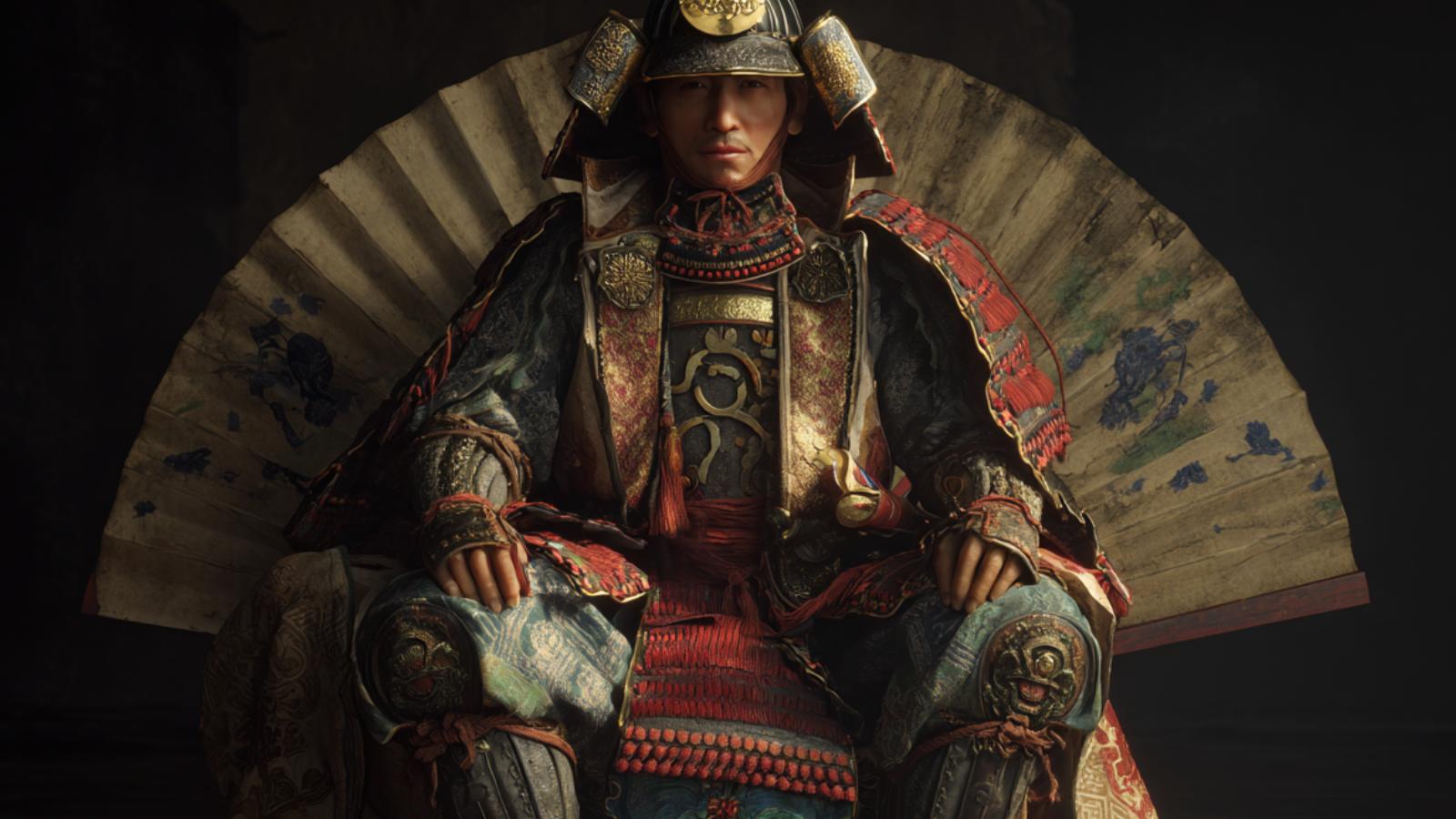
“自分を知り、敵を知れば百戦百勝。”
— Know yourself and know your enemy, and you will win a hundred battles.

| Lead 統率 |
Valor 武勇 |
Intel 知略 |
Pol 政治 |
|---|---|---|---|
| 72 | 68 | 75 | 70 |
| Name (JP) | 小早川 秀秋 |
|---|---|
| Title | Daimyo |
| Clan / Force | Toyotomi Army |
| Era | 1581 – 1602 |
| Origin | Chikuzen |
| Key Battles | |
| Arts | Noh Theater |
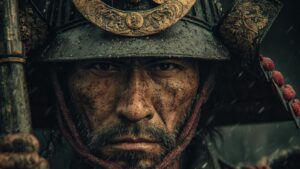
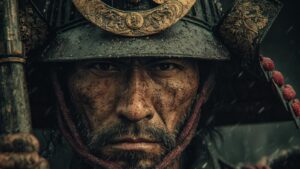
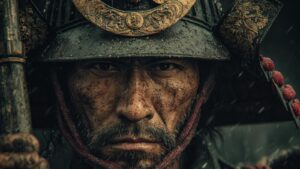
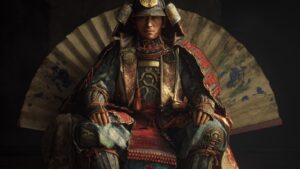
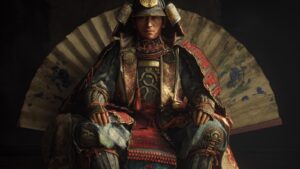
About Kobayakawa Hideaki
From an early age, Hideaki was exposed to the complexities of samurai life and the ongoing conflicts throughout Japan.
He inherited his fathers domain and responsibilities at a young age, which began his journey into the world of warfare and political maneuvering.
As a daimyo, Hideaki navigated a landscape of shifting alliances during the late Sengoku period.
Initially a supporter of Toyotomi Hideyoshi, he gained prominence due to his strategic decisions in key such as the Siege of Odawara.
However, his career was marked by moments of indecision, which ultimately influenced his standing among other prominent generals in the era.
Hideakis military career included participation in notable campaigns, including the Battle of Sekigahara in 1600.
His decision to switch sides during this pivotal battle raised questions about his loyalty, leading to a tarnished reputation.
Despite this, his skills in strategy and tactics were acknowledged, which allowed him to maintain a degree of influence even after the conclusion.
Kobayakawa Hideakis is one of a complex figure caught in the tides of changing allegiances.
While he was not as famous as other contemporaries, his contributions to the samurai culture and tactical warfare remain part of the historical narrative of Japan.
His life illustrates the precarious nature of loyalty during a tumultuous period in Japanese history.
comment