
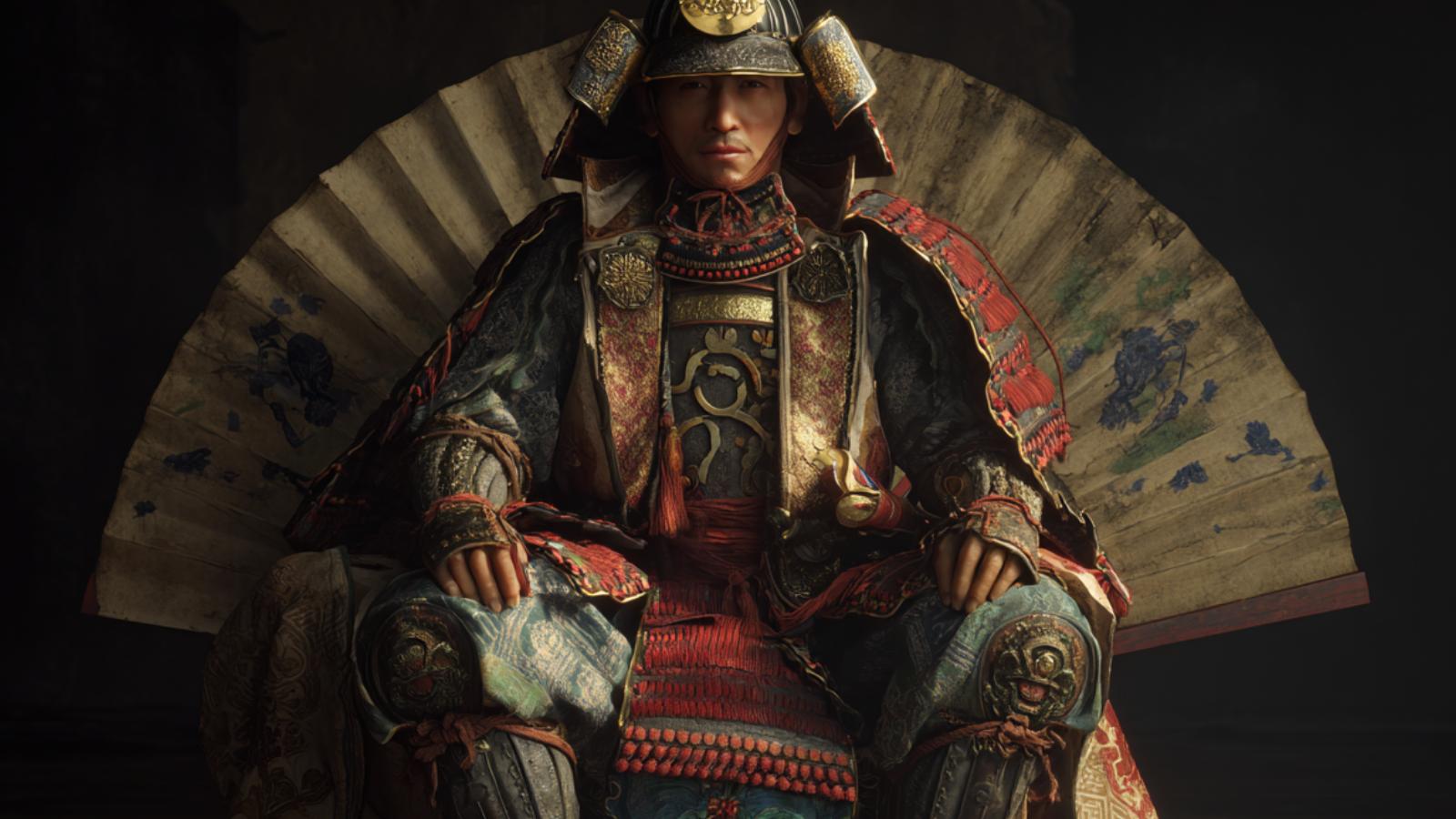
“武士は死ぬことを恐れなくなった時に、本当に強くなれる。”
— A warrior becomes truly strong when he no longer fears death.

| Lead 統率 |
Valor 武勇 |
Intel 知略 |
Pol 政治 |
|---|---|---|---|
| 82 | 78 | 85 | 80 |
| Name (JP) | 前田 利長 |
|---|---|
| Title | Daimyo |
| Clan / Force | Maeda Clan |
| Era | 1562 – 1631 |
| Origin | Kaga |
| Key Battles | |
| Arts | Noh Theatre |
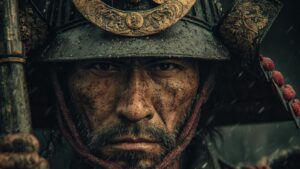
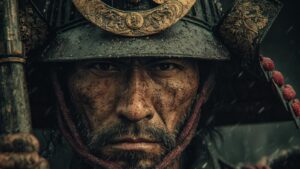
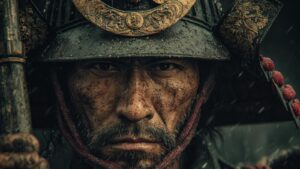
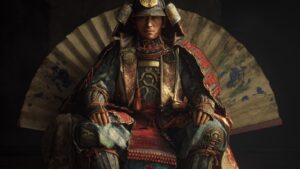
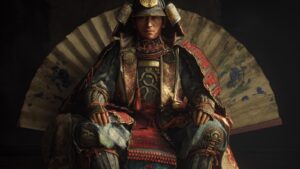
About Maeda Toshinaga
As a member of the Maeda clan, he was the son of Maeda Toshiie, a trusted general under Toyotomi Hideyoshi.
From a young age, Toshinaga was exposed to the intricacies of leadership and military strategy, spending much of his youth in the shadow of his father’s formidable reputation.
Following the death of his father in 1599, Toshinaga inherited the role of head of the Maeda clan.
Under his leadership, Kaga became one of the wealthiest provinces in Japan, benefitting from its rich natural resources and successful agricultural policies.
Toshinaga skillfully navigated the volatile political landscape of the time, aligning with the Tokugawa which ensured peace and prosperity in his domain.
He was known for his ability to manage relations both with the Tokugawa regime and other powerful clan leaders, proving to be an adept politician and diplomat.
Although Toshinaga often preferred diplomacy over warfare, he was not averse to battle.
He played a significant role in the Siege of Ueda in 1600, repelling the forces of the Sanada clan.
His military prowess was highlighted when he effectively utilized his knowledge of geography and troop movements to strategize against larger enemy forces.
Moreover, his loyalty during the Siege of Osaka in 1614 cemented his standing as a reliable ally to the Tokugawa shogunate, showcasing his ability to balance military action with his political ambitions.
Maeda Toshinaga’s extends beyond his military encounters.
He was a patron of the arts, particularly Noh theatre, and encouraged cultural developments in his domain.
Toshinaga was instrumental in building a strong administration that laid the groundwork for the prosperity of Kaga province in the Edo period.
His contributions to governance and culture solidified his standing as one of the notable daimyo of his time, with his descendants continuing to play a significant role in Japanese history.
comment