
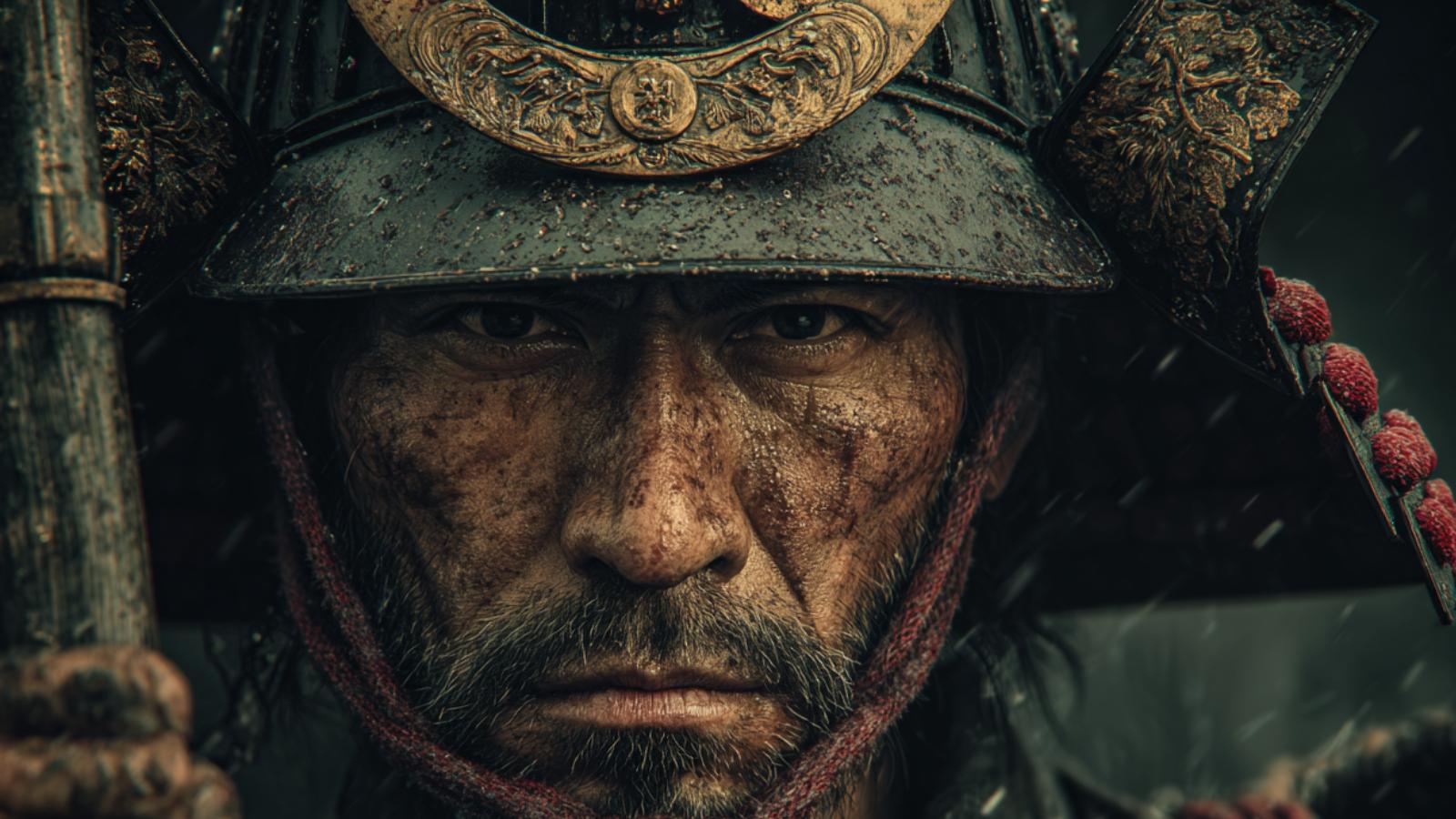
“剣を握る者は死を恐れない。”
— Those who wield a sword fear not death.

| Lead 統率 |
Valor 武勇 |
Intel 知略 |
Pol 政治 |
|---|---|---|---|
| 70 | 75 | 68 | 60 |
| Name (JP) | 増田 長盛 |
|---|---|
| Title | Samurai |
| Clan / Force | Uesugi Clan |
| Era | 1550 – 1596 |
| Origin | Mutsu |
| Key Battles | |
| Arts | Noh Theater |
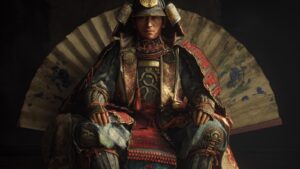
About Mashita Nagamori
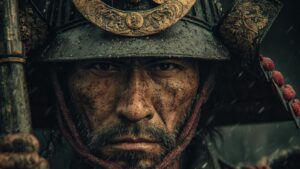
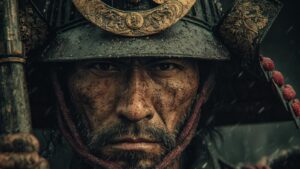
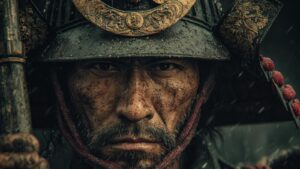
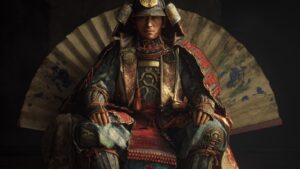
He was trained in the ways of the sword and the art of war, which laid the foundation for his later accomplishments., As conflict in Japan escalated during the late 16th century, Nagamori began to through the ranks.
He served under notable warlords, demonstrating his loyalty and martial skills.
His leadership abilities became evident as he successfully commanded troops in skirmishes against rival clans, contributing to the security of his province., Throughout his military career, Nagamori was involved in several key that defined the period.
His bravery was particularly notable during the skirmishes against the Uesugi clan.
He led charges that inspired his men and exemplified the samurai spirit, earning him a reputation as a capable commander., Nagamoris lives on as an exemplar of the samurai ethos.
His contributions to the arts, especially Noh theater, reflected the duality of the samurai as both warriors and patrons of culture.
He passed away in 1596, leaving behind a of honor and artistry that remains respected to this day.
comment