
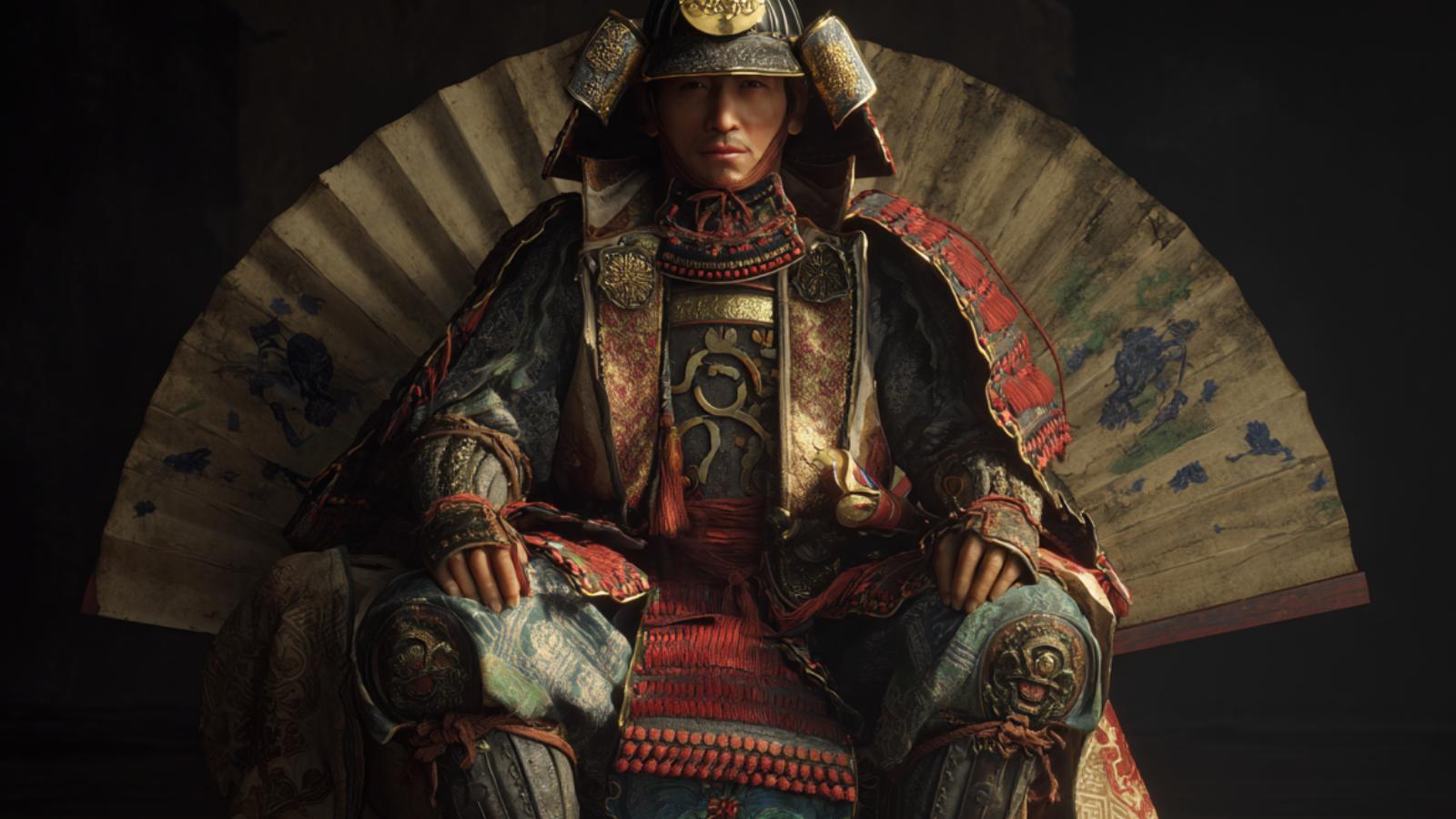
“武士は食わねど高楊枝”
— A samurai will stand tall even without a meal.

| Lead 統率 |
Valor 武勇 |
Intel 知略 |
Pol 政治 |
|---|---|---|---|
| 78 | 75 | 82 | 70 |
| Name (JP) | 黒田 長政 |
|---|---|
| Title | Daimyo |
| Clan / Force | Kuroda Clan |
| Era | 1568 – 1623 |
| Origin | Chikuzen |
| Key Battles | |
| Arts | Calligraphy |
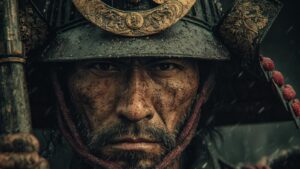
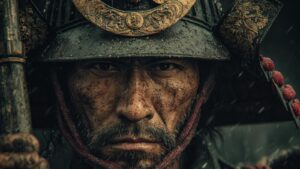
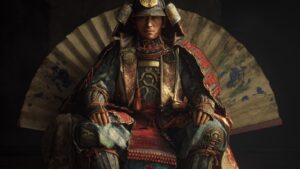
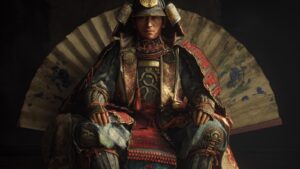
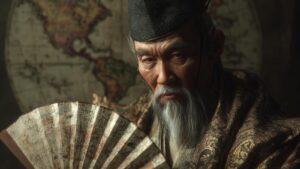
About Kuroda Nagamasa
From a young age, he was imbued with the values of bushido and the arts associated with the samurai class.
Demonstrating early talent in martial arts and intellectual pursuits, he was particularly fascinated by strategy and politics, setting the stage for his future as a leader.
After serving as a retainer under Toyotomi Hideyoshi, Kuroda Nagamasa distinguished himself during the Siege of Takamatsu in 1582.
His exceptional skills in both governance and combat led to his appointment as a daimyo, overseeing the Chikuzen region.
His loyalty and military competence helped cement his status among the ranks of the great generals of the period.
Kuroda played a crucial role in the Battle of Sekigahara in 1600, aligning with the victorious Tokugawa forces.
Throughout his military career, Kuroda showcased not only his valor but also strategic intelligence, helping to navigate the complex political landscape of the time.
He managed to maintain his territory and grow the influence of his domain amid the tumult of civil war.
Nagamasa passed away in 1623, leaving behind a as a skilled strategist and devoted retainer.
His contributions to the samurai code and his gift for governance became a crucial element in the stability of the Tokugawa shogunate era.
Today, he is remembered for his unwavering courage and innovative military strategies, making him a prominent figure in Japanese history.

comment