
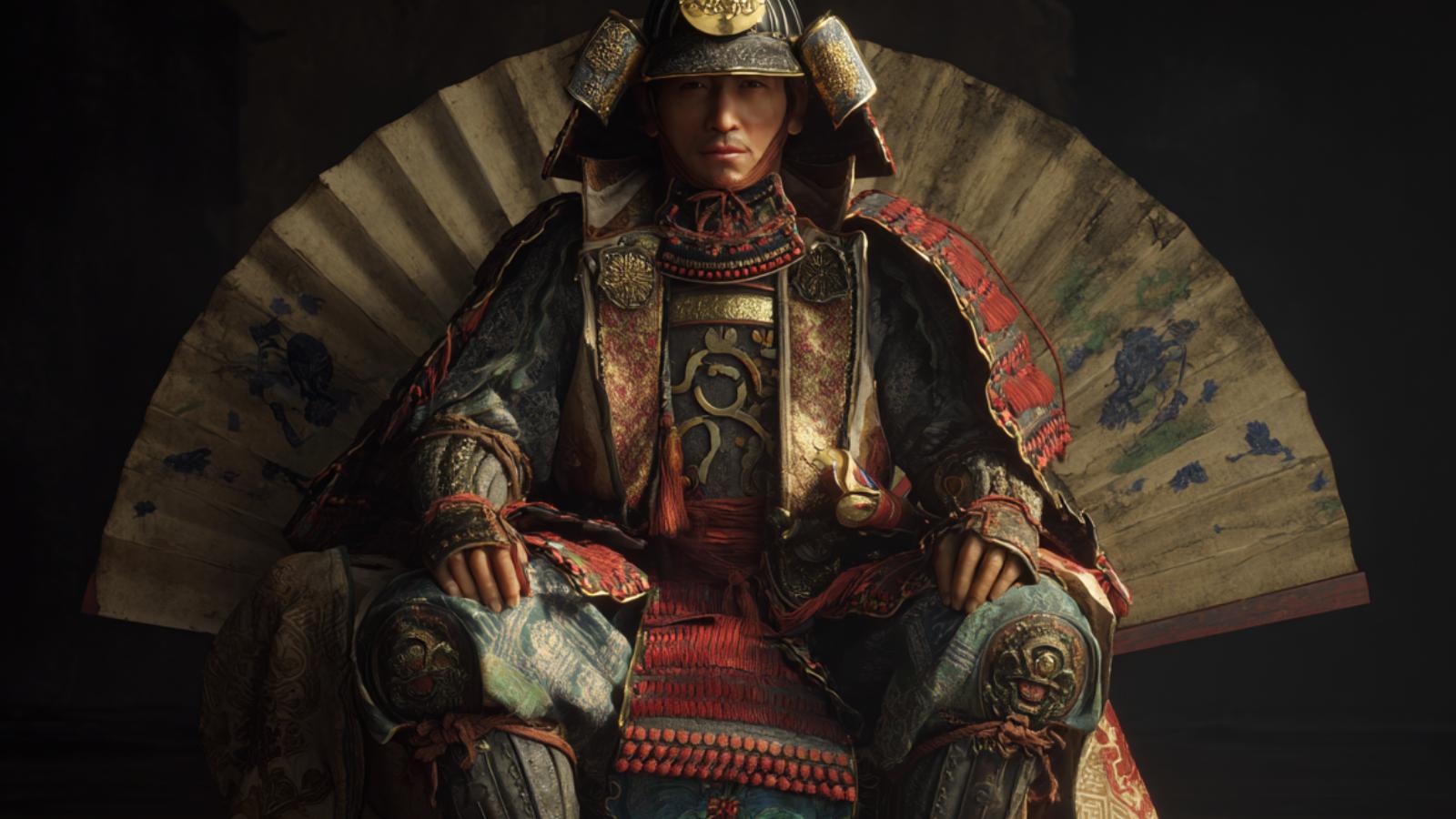
“戦いにおいて、心を無にして戦え。”
— In battle, fight with a mind free of distractions.

| Lead 統率 |
Valor 武勇 |
Intel 知略 |
Pol 政治 |
|---|---|---|---|
| 78 | 75 | 82 | 80 |
| Name (JP) | 前田 玄以 |
|---|---|
| Title | Daimyo |
| Clan / Force | Maeda Clan |
| Era | 1550 – 1613 |
| Origin | Kaga |
| Key Battles | |
| Arts | Noh Theatre |
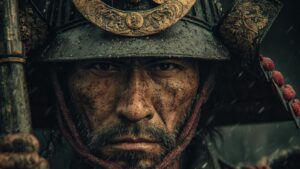
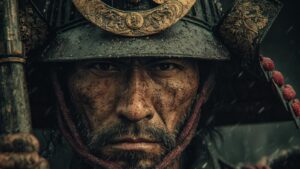
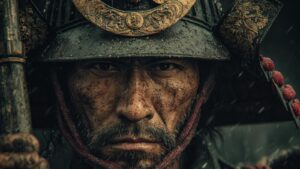
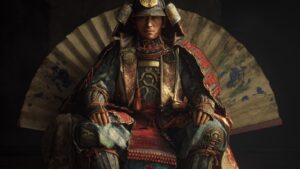
About Maeda Geni
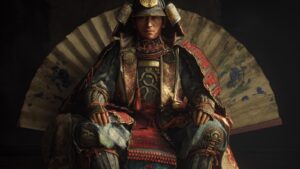
Coming from the shugo lineage, he was well-educated and instilled with a sense of loyalty and duty from a young age.
His familys connections granted him an early insight into the political landscape of Japan during the tumultuous Sengoku period.
As he grew older, Geni became a trusted retainer and eventually seized the opportunity to through the ranks during the unification of Japan under Tokugawa Ieyasu.
He proved himself in several skirmishes and demonstrated exceptional leadership, earning the respect of his peers and the admiration of his superiors.
His ability to inspire loyalty and effectively manage resources made him a key figure in the region.
Genis military career was marked by his participation in significant, notably during the Siege of Osaka.
His strategic acumen enabled him to make tactical decisions that often turned the tide in favor of his forces.
Although he faced formidable enemies, his ability to function effectively under pressure allowed him to emerge as a capable leader in war.
He was particularly noted for his valor, skillfully combining personal prowess with tactical intelligence to command respect on the battlefield.
Maeda Geni left an indelible mark on Japanese history, not just through his military contributions but also by fostering the arts, particularly Noh theatre, in his province.
His is preserved through the prosperity of Kaga, which flourished under his and his successors’ governance.
Even after his death in 1613, stories of his bravery and strategic insight continued to inspire future generations of warriors and leaders.
comment