
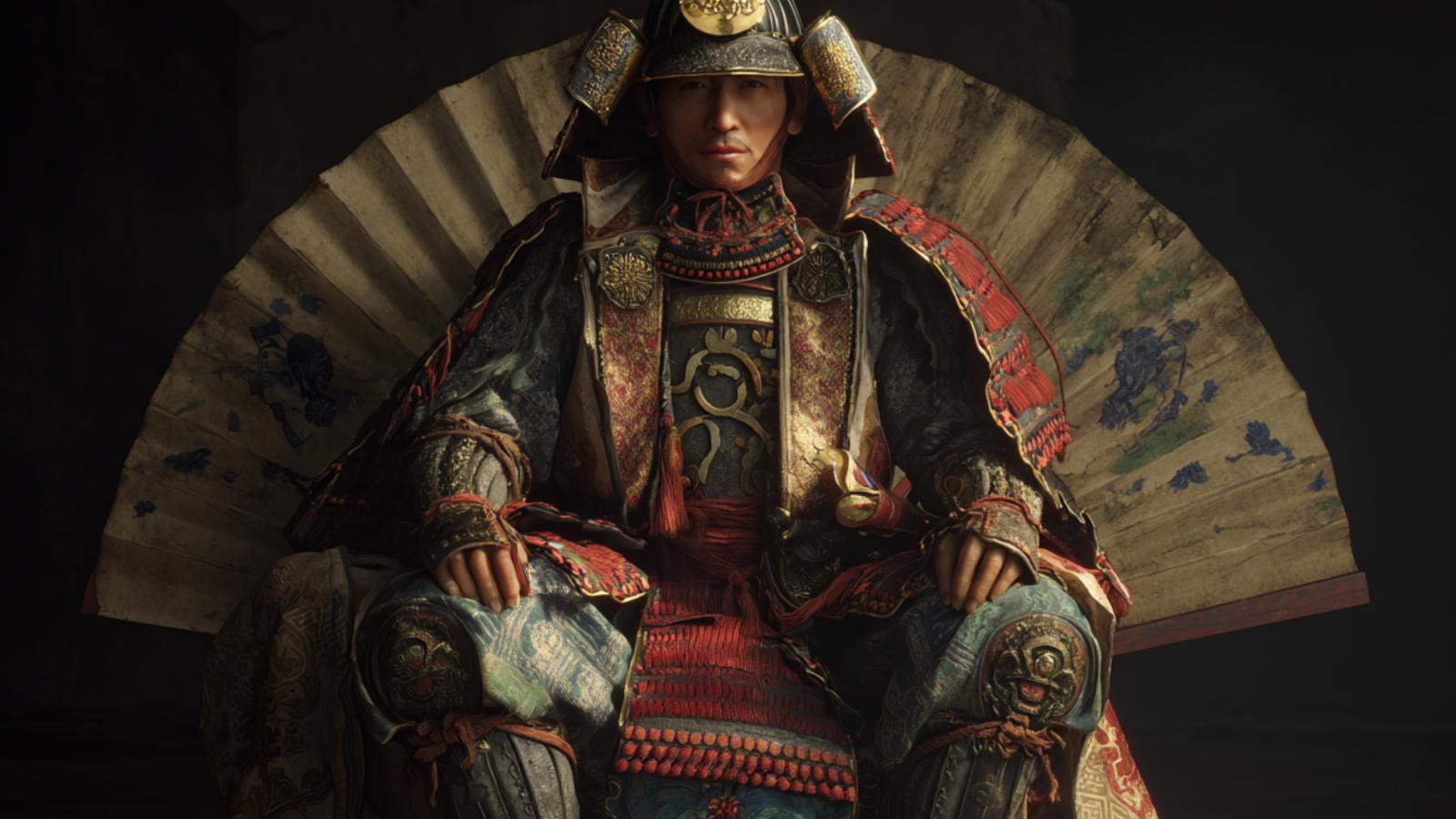
“勝利は準備ができた者のものである。”
— Victory belongs to those who are prepared.

| Lead 統率 |
Valor 武勇 |
Intel 知略 |
Pol 政治 |
|---|---|---|---|
| 75 | 70 | 80 | 65 |
| Name (JP) | 織田 信孝 |
|---|---|
| Title | Daimyo |
| Clan / Force | Oda Clan |
| Era | 1540 – 1583 |
| Origin | Owari |
| Key Battles | |
| Arts | Sumi-e |
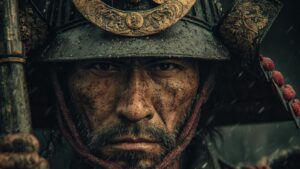
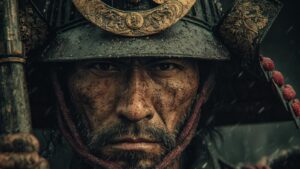
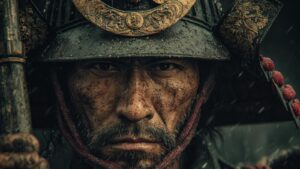
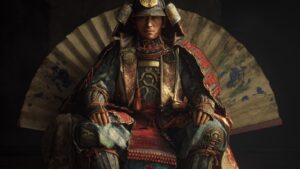
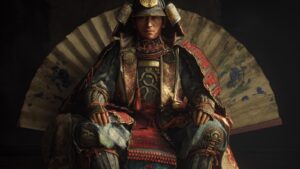
About Oda Nobutaka
Growing up in the turbulent Sengoku period, Nobutaka was groomed for leadership in a family that was rapidly expanding its power and influence throughout the country.
His early education included lessons in martial arts, strategy, and the cultural arts, ensuring he was well-rounded for the life of a samurai.
Nobutakas began under the shadow of his fathers formidable reputation.
He distinguished himself during several military campaigns, showing remarkable promise and tactical skill.
Following the death of Nobunaga in 1582, Nobutaka was initially positioned to be a key player in the ensuing power struggles that would characterize the era.
Despite his capabilities, the political landscape became increasingly complex and hostile, pitting him against both internal and external threats to the Oda .
Despite his relatively short life, Oda Nobutaka participated in several notable that showcased his abilities as a leader.
His engagements often required not only personal valor but also sharp intelligence in strategy, making him an essential figure on the battlefield.
Notably, his involvement in the aftermath of his fathers assassination demonstrated his commitment to maintaining the clans power, although he struggled to navigate the treachery that surrounded him during this chaotic time.
Though Oda Nobutaka died young in 1583, his attempts to uphold the Oda clans in the face of adversity left a lasting impression on Japanese history.
His contributions during the volatile period immediately following Nobunagas death shed light on the challenges faced by samurai leaders and the intricate web of loyalty and politics that defined the Sengoku era.
Nobutakas life is often overshadowed by more prominent figures such as his father and brother, yet his storied participation in this critical time in Japans history should not be forgotten.
comment