
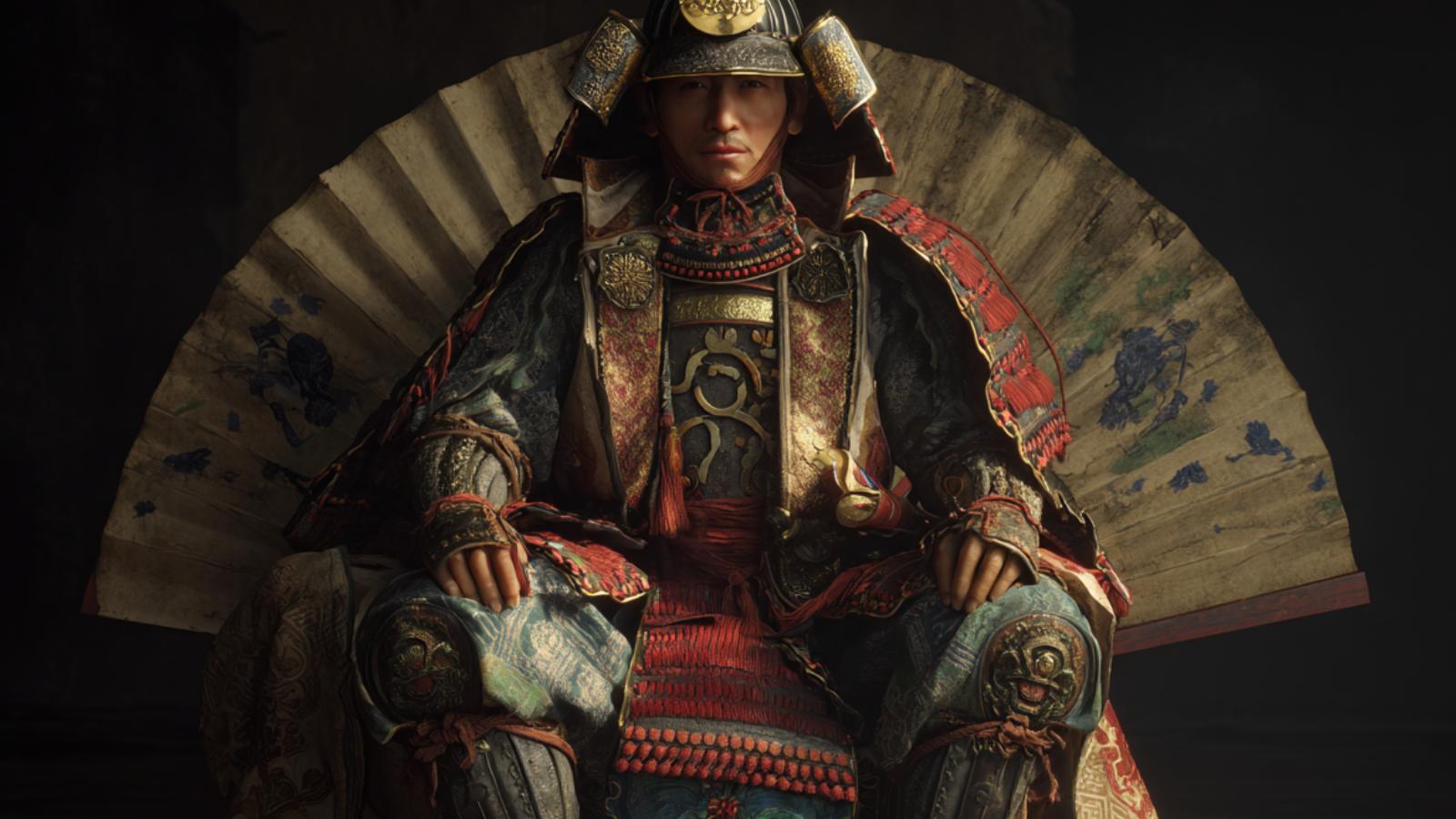
“策略は戦の根幹、勝利はその果実である。”
— Strategy is the foundation of war; victory is its fruit.

| Lead 統率 |
Valor 武勇 |
Intel 知略 |
Pol 政治 |
|---|---|---|---|
| 70 | 65 | 75 | 60 |
| Name (JP) | 荒木 村重 |
|---|---|
| Title | Daimyo |
| Clan / Force | Miyoshi Clan |
| Era | 1527 – 1587 |
| Origin | Bizen |
| Key Battles | |
| Arts | No Theatre |
About Araki Murashige
Growing up in a time of constant warfare, he was trained in the arts of combat and the ways of the samurai.
From an early age, he showed promise as a warrior, leading to his through the ranks within the local daimyos., During the peak of the Sengoku period, Araki served under several prominent warlords, proving himself in various conflicts.
His reputation grew as he demonstrated both military prowess and strategic thinking.
He eventually became a daimyo, controlling a significant territory and leading his troops into battle for the unification of Japan.
His loyalty was often tested, especially during the conflicts involving Oda Nobunaga, to whom he initially provided support.
However, complex political machinations and personal ambitions diverted his allegiances, leading to pivotal moments in his career., Murashige participated in numerous significant, gaining recognition for his tactical decisions and ability to rally troops.
While he was competent in direct combat, it was his strategic insight that often set him apart from his peers.
He experienced notable successes but also faced failures, especially during the shifting loyalties within powerful factions, ultimately leading to his betrayal against Nobunaga.
Despite his fall from grace, his previous victories and the of his rule remained significant in the historical context of the Sengoku period., Araki Murashiges life exemplifies the turbulent nature of the Sengoku period, reflecting the eras conflicts, loyalties, and the complexities of samurai honor.
Although he is less remembered than some of his contemporaries, his role as a capable general and his influence in the events of his time left an indelible mark on Japanese history.
Today, he is acknowledged for his contributions and remains a subject of interest for historians studying the dynamics of samurai leadership and warfare.









comment