
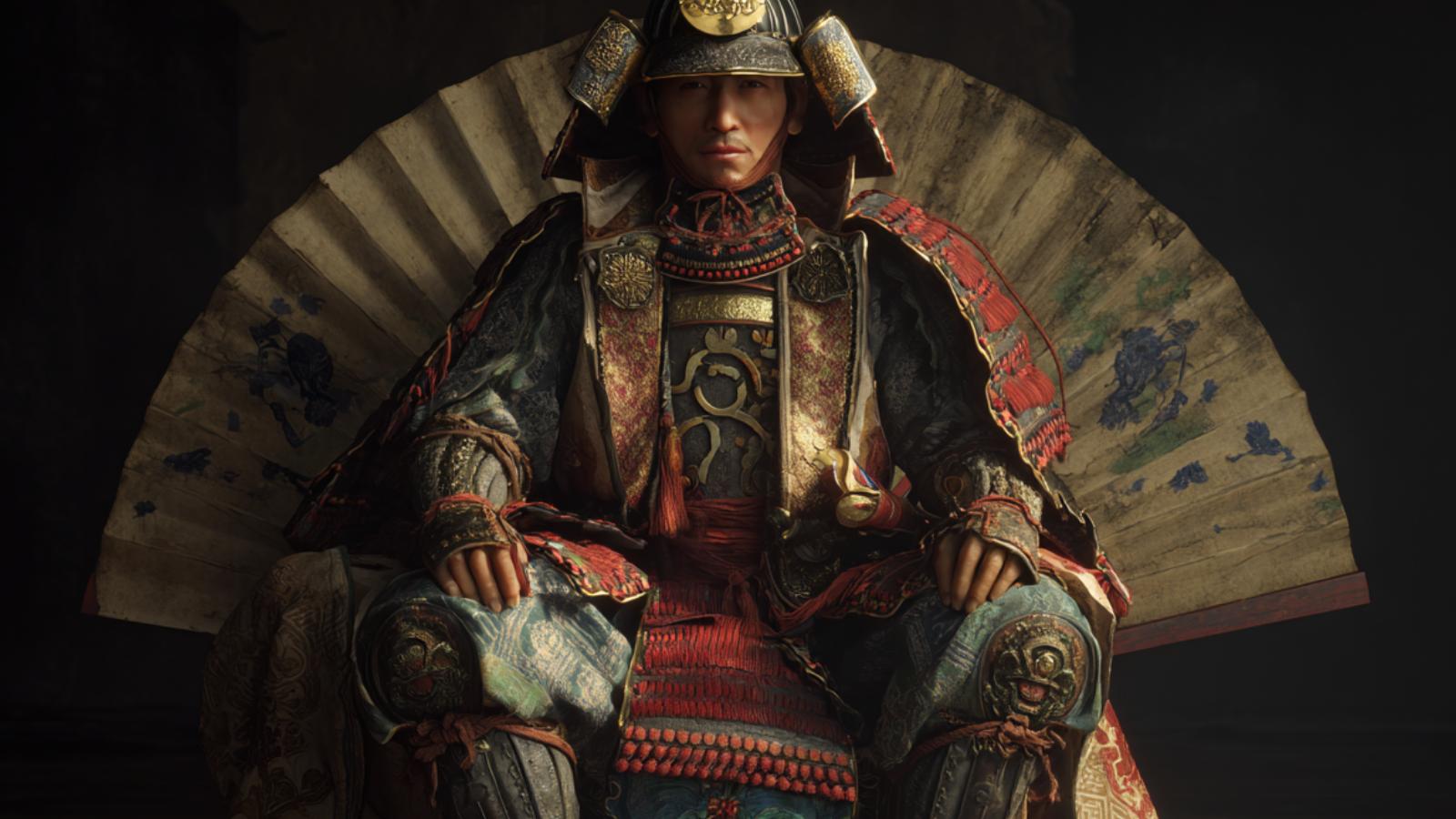
“勝ちにこだわり続けるは、誇りなり。”
— To continue clinging to victory is to embrace pride.

| Lead 統率 |
Valor 武勇 |
Intel 知略 |
Pol 政治 |
|---|---|---|---|
| 78 | 75 | 70 | 65 |
| Name (JP) | 池田 恒興 |
|---|---|
| Title | Daimyo |
| Clan / Force | Tokugawa Clan |
| Era | 1534 – 1584 |
| Origin | Mikawa |
| Key Battles | |
| Arts | Calligraphy |
About Ikeda Tsuneoki
His family was part of the local ruling elite (Shugo) and provided a strong foundation for his military and governance aspirations.
Growing up amidst the turbulent wars of the Sengoku period, young Tsuneoki was imbued with the values of bushido and the importance of loyalty to ones lord.
Tsuneokis began when he allied with Oda Nobunaga, one of the most formidable warlords of the time.
His martial skills and strategic insight earned him a reputation as a competent leader among Nobunagas ranks.
After demonstrating his worth in battle, Tsuneoki was rewarded with land and the of daimyo, solidifying his status and influence.
Throughout his military career, Tsuneoki participated in several key, including the Battle of Okehazama and the Siege of Inabayama Castle.
His ability to command troops and adapt to the rapidly changing battlefield dynamics showcased his leadership qualities.
Although not an overarching general like Nobunaga or Tokugawa Ieyasu, Tsuneokis contributions were crucial during this chaotic era.
Ikeda Tsuneokis remains significant as a capable general who embodied the values of loyalty and dedication to his lord.
He was a skilled warrior who balanced personal valor with effective governance.
His death in 1584 was a reminder of the turbulent and often perilous life of samurai during the Sengoku period, leaving behind a of nobility and honor in Japanese history.









comment