
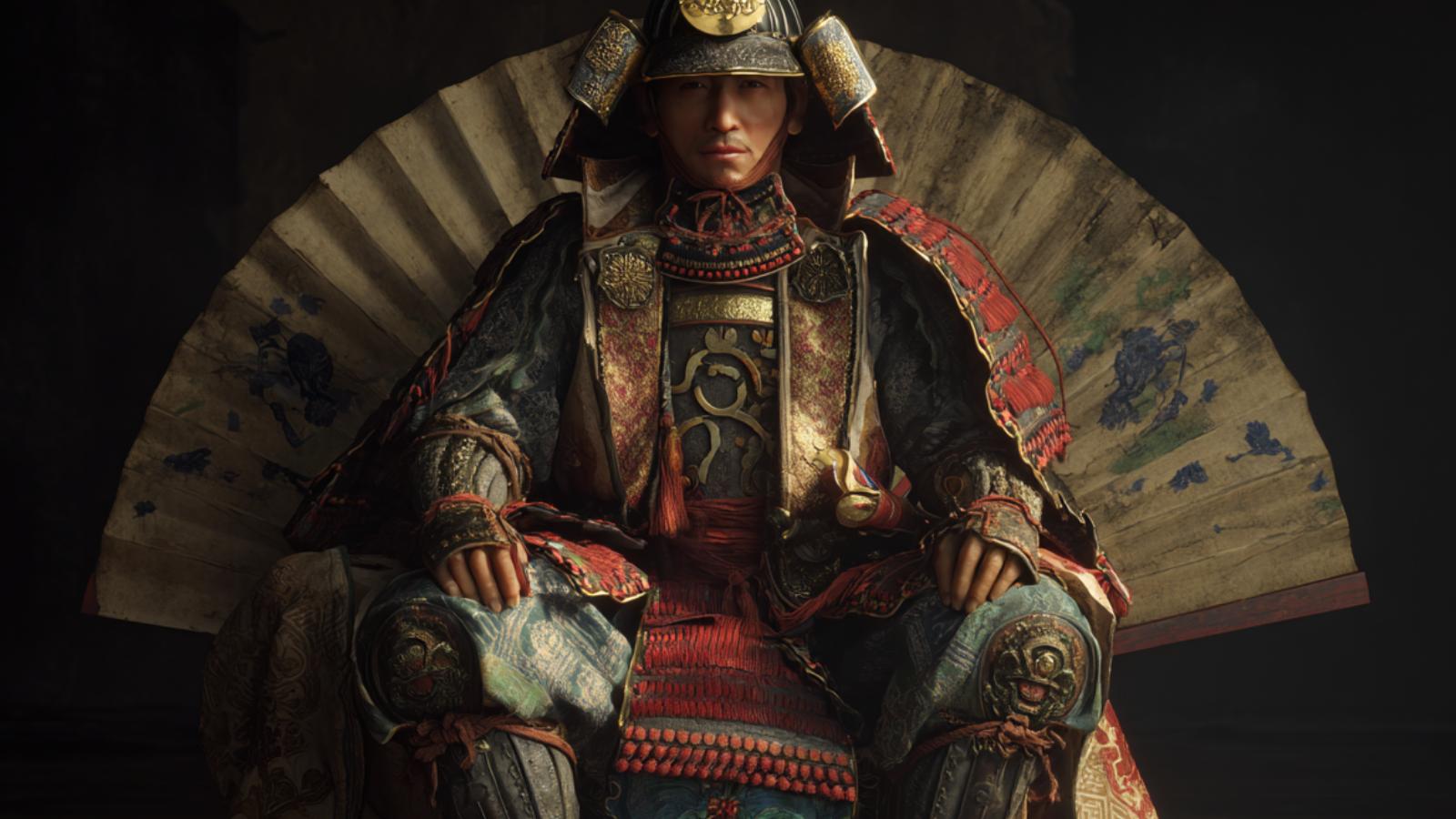
“時に宝を知る者は、知恵を持つ者なり。”
— He who knows the treasure of time possesses wisdom.

| Lead 統率 |
Valor 武勇 |
Intel 知略 |
Pol 政治 |
|---|---|---|---|
| 75 | 70 | 85 | 78 |
| Name (JP) | 松永 久秀 |
|---|---|
| Title | Daimyo |
| Clan / Force | Matsunaga Clan |
| Era | 1510 – 1577 |
| Origin | Yamato |
| Key Battles | |
| Arts | Ikebana |
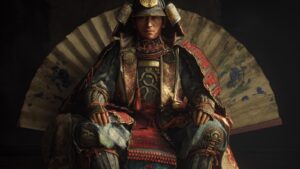
About Matsunaga Hisahide
His lineage as a shugo allowed him access to the military and administrative capabilities necessary to within the ranks of Japanese feudal society.
Hisahide initially started as a retainer for the Matsunaga clan, but his talents quickly caught the attention of higher powers.
Through strategic marriages and alliances, he was able to enhance his influence and power.
His notable service under the mighty Oda Nobunaga showcased Hisahides loyalty and tactical acumen, which granted him significant territory and a higher .
As a capable general, Hisahide participated in several key of the Sengoku period.
His strategies often involved clever deception and manipulation of enemy formations.
Despite fluctuating allegiances, his prowess in both leadership and individual combat earned him a reputation as a formidable opponent.
His survival through these tumultuous times was a testament to his skill in navigating the complex political landscape of feudal Japan.
Matsunaga Hisahides is marked by his contributions to the art of warfare during a period rife with conflict.
While he served under Nobunaga, his later actions would reveal the complexity of loyalty during the Sengoku period.
His teachings and tactics continued to be studied long after his death in 1577, highlighting his influence on Japanese military strategy.
His life exemplifies the intricate dance of loyalty, strategy, and personal ambition that characterized the samurai ethos.




comment