
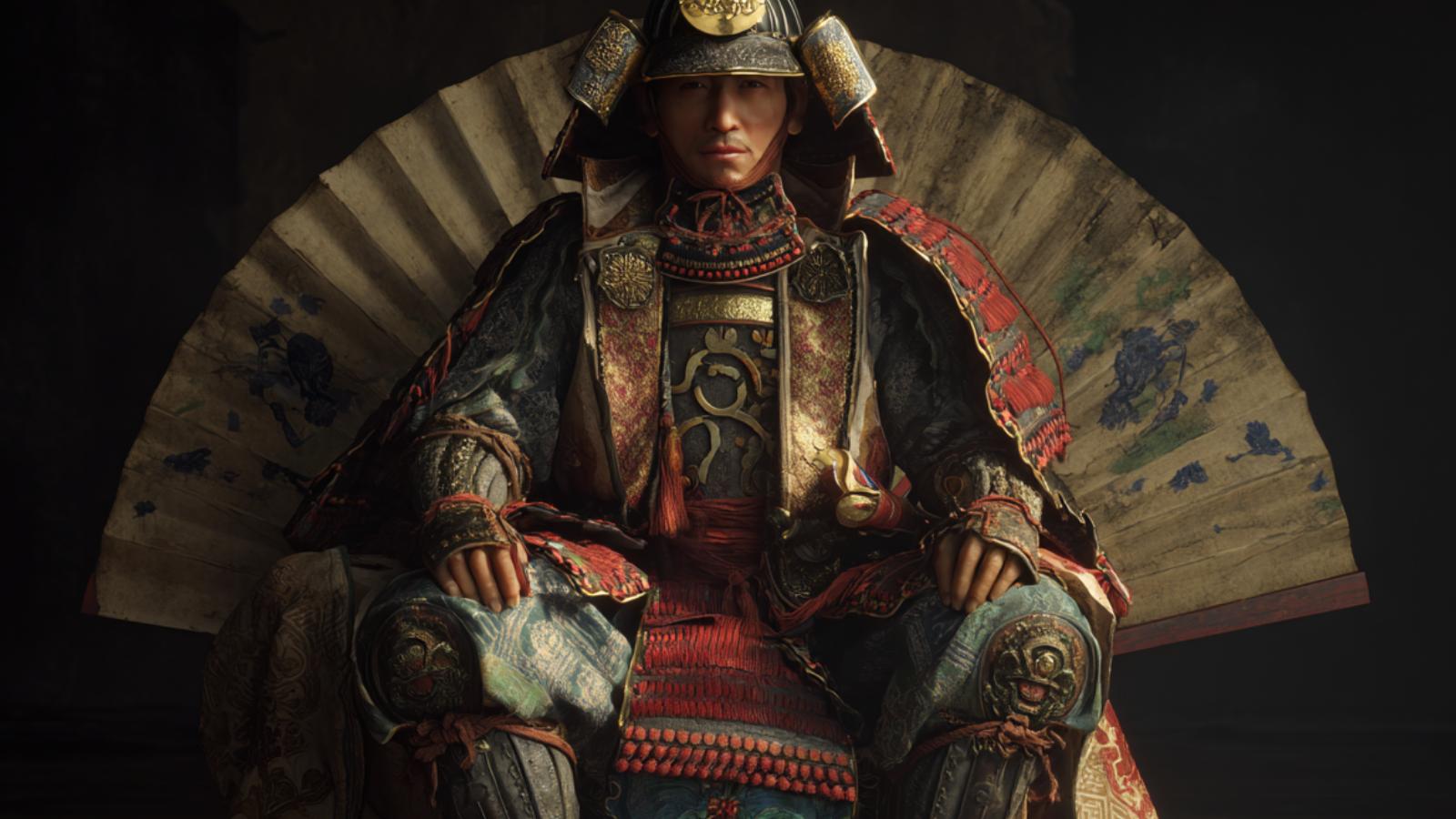
“義は我が師なり。”
— Honor is my teacher.

| Lead 統率 |
Valor 武勇 |
Intel 知略 |
Pol 政治 |
|---|---|---|---|
| 76 | 70 | 82 | 75 |
| Name (JP) | 朝倉 義景 |
|---|---|
| Title | Daimyo |
| Clan / Force | Asakura Clan |
| Era | 1535 – 1573 |
| Origin | Echizen |
| Key Battles | |
| Arts | Noh Theatre |
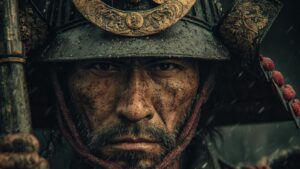
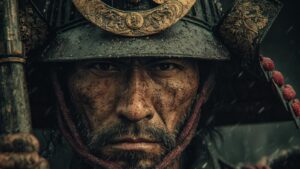
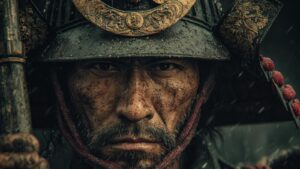
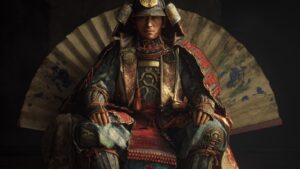
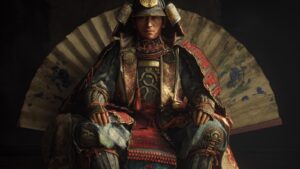
About Asakura Yoshikage
His father, Asakura Yoshikage, was a notable figure in the region, and following his death, Yoshikage inherited the clan’s leadership.
Growing up amid the tumult of the Sengoku period, he was educated in the arts of warfare, governance, and diplomacy.
Yoshikage rose to power during a time of increasing conflict and fragmentation in Japan.
By the 1560s, he had solidified control over Echizen, leveraging both military strength and political alliances.
His tenure saw significant cultural development, particularly in Noh theatre, which he patronized.
He sought to maintain a degree of autonomy in relation to larger powers such as Oda Nobunaga, often finding himself navigating complex political landscapes.
Though not as militarily aggressive as some of his contemporaries, Yoshikage did engage in several significant, including a notable confrontation against Oda Nobunaga.
His strategic talents were evident in how he defended his territory and managed his allies and enemies.
Despite his capable leadership, he ultimately faced challenges that led to his downfalls, such as internal strife and pressures from external forces.
Asakura Yoshikages is multifaceted.
He is remembered not just for his military and political efforts, but also for fostering arts and culture in Echizen Province.
His story is a testament to the complexities of the Sengoku era, illustrating the balance between warfare and cultural patronage as a means of leadership in feudal Japan.
comment