
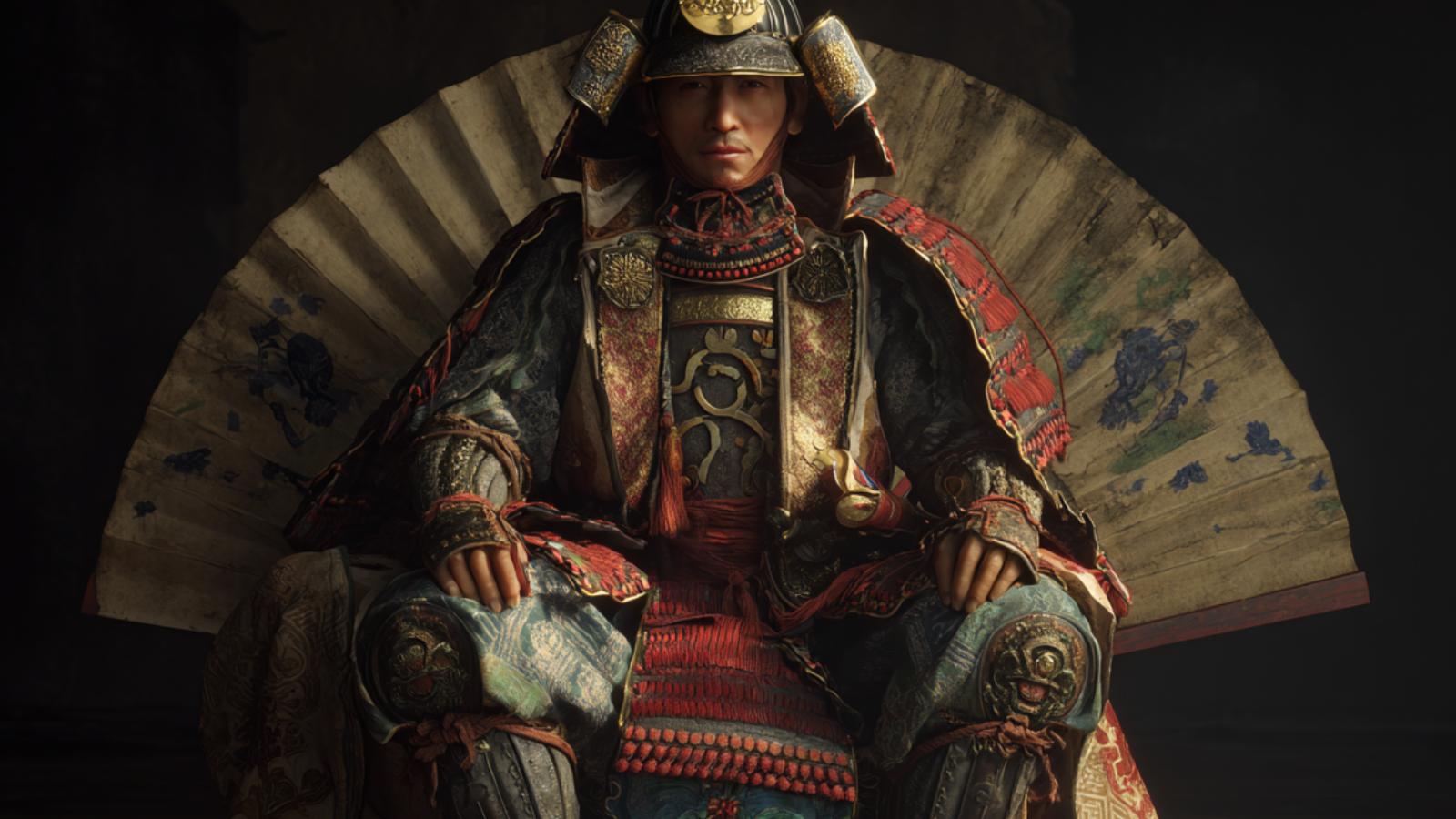
“我が剣は人を救うためにある。”
— My sword exists to save people.

| Lead 統率 |
Valor 武勇 |
Intel 知略 |
Pol 政治 |
|---|---|---|---|
| 76 | 70 | 80 | 75 |
| Name (JP) | 浅井 長政 |
|---|---|
| Title | Daimyo |
| Clan / Force | Azai Clan |
| Era | 1545 – 1573 |
| Origin | Omi |
| Key Battles | |
| Arts | Noh Theatre |
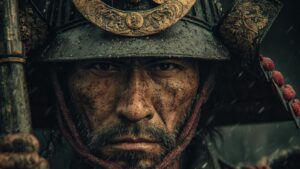
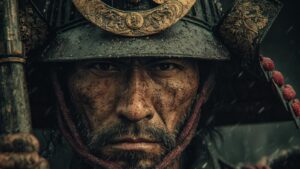
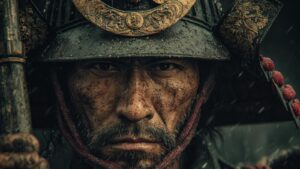
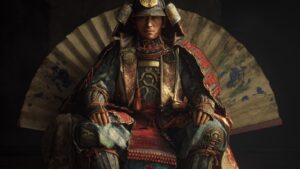
About Azai Nagamasa
He was the son of Azai Hisamasa and inherited his fathers domain at a young age.
His to power came at a time when feudal lords vied for control of Japan, and he was well positioned to take advantage of the political landscape.
He was educated in both martial skills and governance, which prepared him for his future role as a daimyō.
Nagamasa aligned himself with the Asakura clan initially, establishing his reputation as a capable leader.
His marriage to Oichi, the sister of Oda Nobunaga, was a strategic alliance meant to solidify his position.
This marriage placed him in a precarious situation, torn between loyalties to his clan and the growing power of Oda Nobunaga.
He effectively ruled his province through a mixture of charm, shrewdness, and military prowess, gaining the respect of his retainers and subjects alike.
As tensions escalated between the Azai and Oda clans, Nagamasa found himself embroiled in conflict.
He participated in the fierce of the late 1560s, including the crucial Siege of Azukizaka in 1570, where he faced off against Nobunaga’s forces.
Despite the odds, Nagamasa displayed a formidable fighting spirit and strategic acumen, securing many victories for his clan.
However, his decisions also led to devastating losses and the eventual decline of his family dynasty.
In 1573, he made a fateful stand against Oda, ultimately leading to his own downfall in the Battle of Anegawa.
His death marked the end of the Azai clan and served as a catalyst for Oda’s increasing dominance in the region.
Today, Azai Nagamasa is remembered as a tragic figure of the Sengoku period.
His life encapsulates the tumult of the time, as personal relationships and political alliances often dictated the fate of clans.
His is honored in various cultural works, including Noh theatre, where his story is told as one of heroism and fate.
Nagamasa remains a subject of interest for historians and enthusiasts of samurai culture, symbolizing both ambition and the tragic consequences of war.
comment