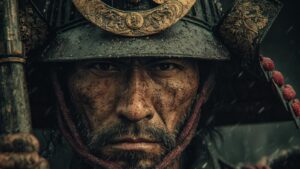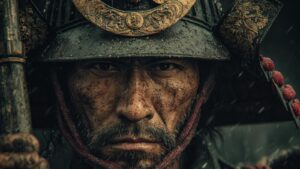
“武士は仁に生きるべきである。”
— A samurai should live for benevolence.

| Lead 統率 |
Valor 武勇 |
Intel 知略 |
Pol 政治 |
|---|---|---|---|
| 82 | 75 | 78 | 70 |
| Name (JP) | 吉川 元春 |
|---|---|
| Title | Daimyo |
| Clan / Force | Mōri Clan |
| Era | 1530 – 1587 |
| Origin | Bizen |
| Key Battles | |
| Arts | Noh Theatre |
About Kikkawa Motoharu
From a young age, Motoharu was exposed to the art of warfare and the importance of loyalty in samurai culture, which shaped his destiny as a leader.
His upbringing was fortified by the teachings of his father, emphasizing the ideals of bushido and the responsibilities of a samurai.
His early training included mastery of weaponry and strategy, setting the stage for his future achievements.
Moreover, his family held strong ties to the Mori clan, providing Motoharu with crucial insights into the shifting alliances and political dynamics of the era.
Motoharus to prominence began when he became a trusted retainer of the Mori clan, particularly under the rule of Mori Motonari.
Demonstrating remarkable ability in both strategy and combat, he quickly established himself as a capable commander.
His loyalty and effectiveness in battle earned him a significant reputation, which helped him secure a position of authority within the Mori hierarchy.
He played critical roles in several campaigns, including the famous Battle of Itsukushima in 1555.
There, he showcased his tactical brilliance, contributing to the Mori clans expansion and consolidation of power in western Japan.
As he climbed the ranks, Motoharu was granted the of daimyo, overseeing several territories from his base in Bizen.
His effectiveness as a leader was matched by his dedication to his troops, fostering a strong bond that ensured their loyalty in ahead.
Motoharu participated in many notable conflicts, including the against the Amako clan and various skirmishes with rival daimyos.
One of his most significant contributions was during the Siege of Takamatsu, where he commanded forces with notable ingenuity.
His ability to outmaneuver enemies and implement guerrilla tactics earned him respect among allies and fear among adversaries.
In these, he demonstrated not only his combat skills but also his strategic intelligence, marking him as an essential asset to the Mori clan.
However, his prowess was not without challenges.
The death of Mori Motonari left a power vacuum, leading to internal strife within the clan, which forced Motoharu to navigate complex political landscapes to maintain his position and protect his territories.
Kikkawa Motoharus is one of loyalty, bravery, and strategic excellence.
He is often remembered as a quintessential samurai who upheld the values of his clan while also forging a path of his own.
His contributions helped to shape the course of the Sengoku period, influencing both military tactics and the governance of his province after the tumultuous wars subsided.
Today, Motoharu is recognized not only for his military achievements but also for his cultural contributions, including support for the Noh theatre, which flourished in his domain.
His life remains a testament to the samurai spirit and the complexities of loyalty in a fractured Japan.