
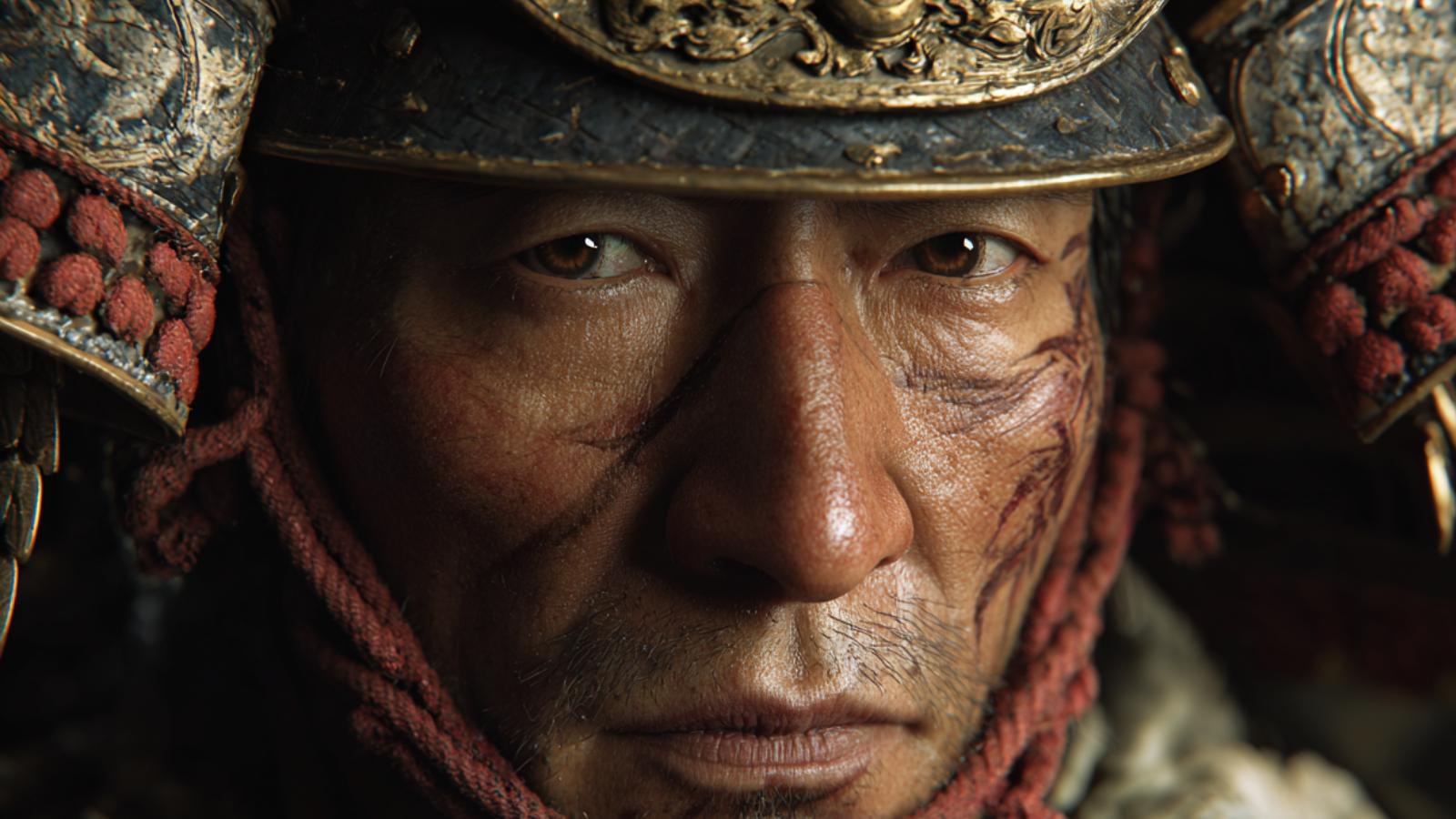
“戦わずして勝つが最上なり。”
— The best victory is the one won without fighting.

| Lead 統率 |
Valor 武勇 |
Intel 知略 |
Pol 政治 |
|---|---|---|---|
| 90 | 70 | 95 | 85 |
| Name (JP) | 北条 氏康 |
|---|---|
| Title | Daimyo |
| Clan / Force | Hojo Clan |
| Era | 1515 – 1571 |
| Origin | Sagami |
| Key Battles | |
| Arts | Noh Theatre |
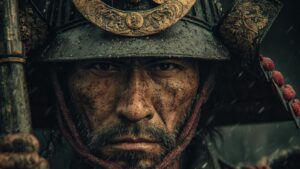
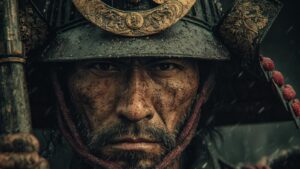
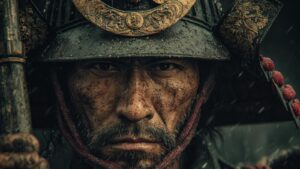
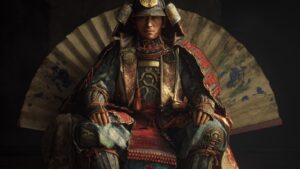
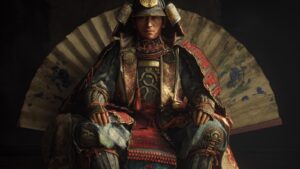
About Hojo Ujiyasu
He was the son of Hojo Ujitsuna and was trained in the arts of war, governance, and strategy from a young age, inheriting his father’s in 1541.
In his, he exhibited signs of remarkable leadership and ambitious vision, positioning himself to lead with a focus on stability and prosperity in his domain.
After taking control, Ujiyasu faced numerous challenges, including threats from rival clans such as the Takeda and Uesugi.
Through his adept use of fortifications, diplomacy, and timing, he bolstered his clan’s strength and reputation, earning respect even from foes.
His skillful governance allowed him to secure vast resources and loyal vassals, enabling him to navigate the complexities of the Sengoku period effectively.
Among his most notable military engagements was the Battle of Kawanakajima against Uesugi Kenshin, where he showcased his strategic genius.
His focus was on psychological tactics and knowing his enemy, often opting for defensive strategies that conserved his forces while undermining his adversaries.
Ujiyasu is known for his famous quote: The best victory is the one won without fighting, emphasizing his preference for strategy over bells of war.
His ability to engage in calculated warfare allowed him to preserve his men’s lives and resources, whilst ensuring Hojo dominance in the region.
Hojo Ujiyasus leadership and tactical brilliance left an indelible mark on Japanese history.
He is remembered not only for his military acumen but also for his governance that balanced war efforts with cultural development, including patronage of Noh theatre.
Ujiyasu’s death in 1571 marked the beginning of a decline for the Hojo clan; however, his as a great strategist and a just ruler endures, illustrating the qualities of effective leadership in troubled times.
His insights into conflict and statecraft remain studied and respected in modern strategic thought.
comment