
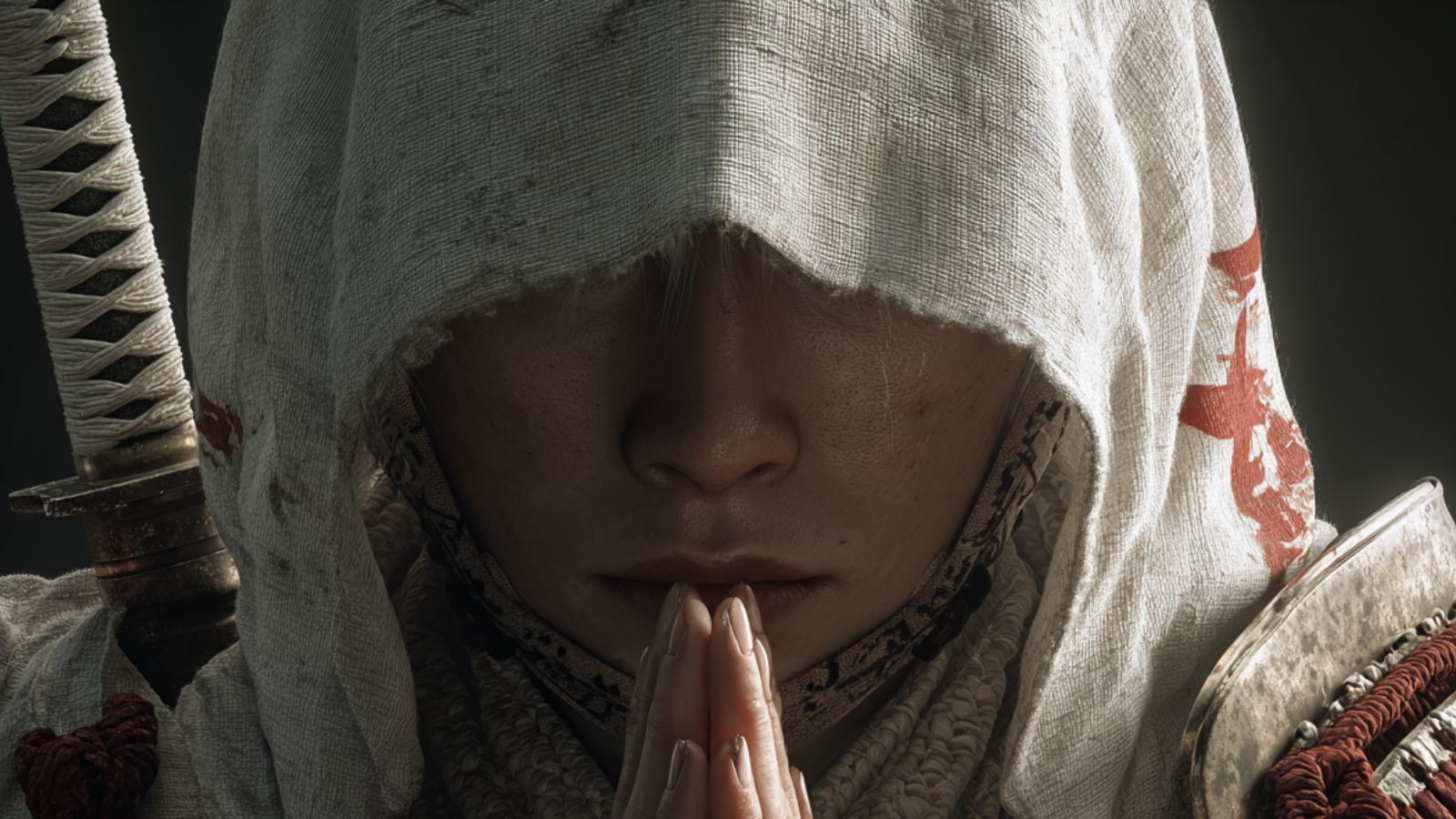
“運は天にあり、鎧は胸にあり、手柄は足にあり。”
— Fate lies in heaven, armor is on the chest, and achievement lies in the feet.

| Lead 統率 |
Valor 武勇 |
Intel 知略 |
Pol 政治 |
|---|---|---|---|
| 89 | 85 | 92 | 78 |
| Name (JP) | 上杉 謙信 |
|---|---|
| Title | Daimyo |
| Clan / Force | Uesugi Clan |
| Era | 1530 – 1578 |
| Origin | Echigo |
| Key Battles | |
| Arts | Noh Theater |
About Uesugi Kenshin
Following his fathers death, he inherited the family domain at a young age.
Under the guidance of his uncle, Kenshin grew up amidst the tumultuous conflicts of the Sengoku period, gaining insights into warfare and governance early on.
Kenshin took control of the Nagao clan and transformed it into a powerful force in the region.
He strategically allied himself with formidable warriors and expanded his domain.
His reputation grew as he engaged in against rivals such as the Takeda clan led by Takeda Shingen.
These confrontations were not just about territory; they represented the larger struggle for power across Japan, with Kenshin emerging as a significant figure in the struggle for dominance in the region.
Kenshins most notable military engagements include the of Kawanakajima, a series of five conflicts against Takeda Shingen.
These showcased his tactical brilliance and valor.
His adept use of terrain and innovative strategies often left his opponents in disarray.
Renowned for his personal combat skills, Kenshin actively fought alongside his troops, earning the respect and loyalty of his warriors.
His leadership was characterized by a strict moral code and a deep sense of honor, which gained him the moniker The Warrior Monk.
Uesugi Kenshin passed away in 1578, leaving a lasting as one of the most celebrated figures of the Sengoku period.
His commitment to his samurai code and his strategic mind elevates him above many of his contemporaries.
Even today, he is remembered not just as a formidable warlord but as a symbol of honor and chivalry in Japanese history.
Despite his many conflicts, he was known to uphold values of compassion and justice, particularly toward the peasantry and his allies, representing a unique approach to samurai leadership that resonates even in modern culture.









comment