
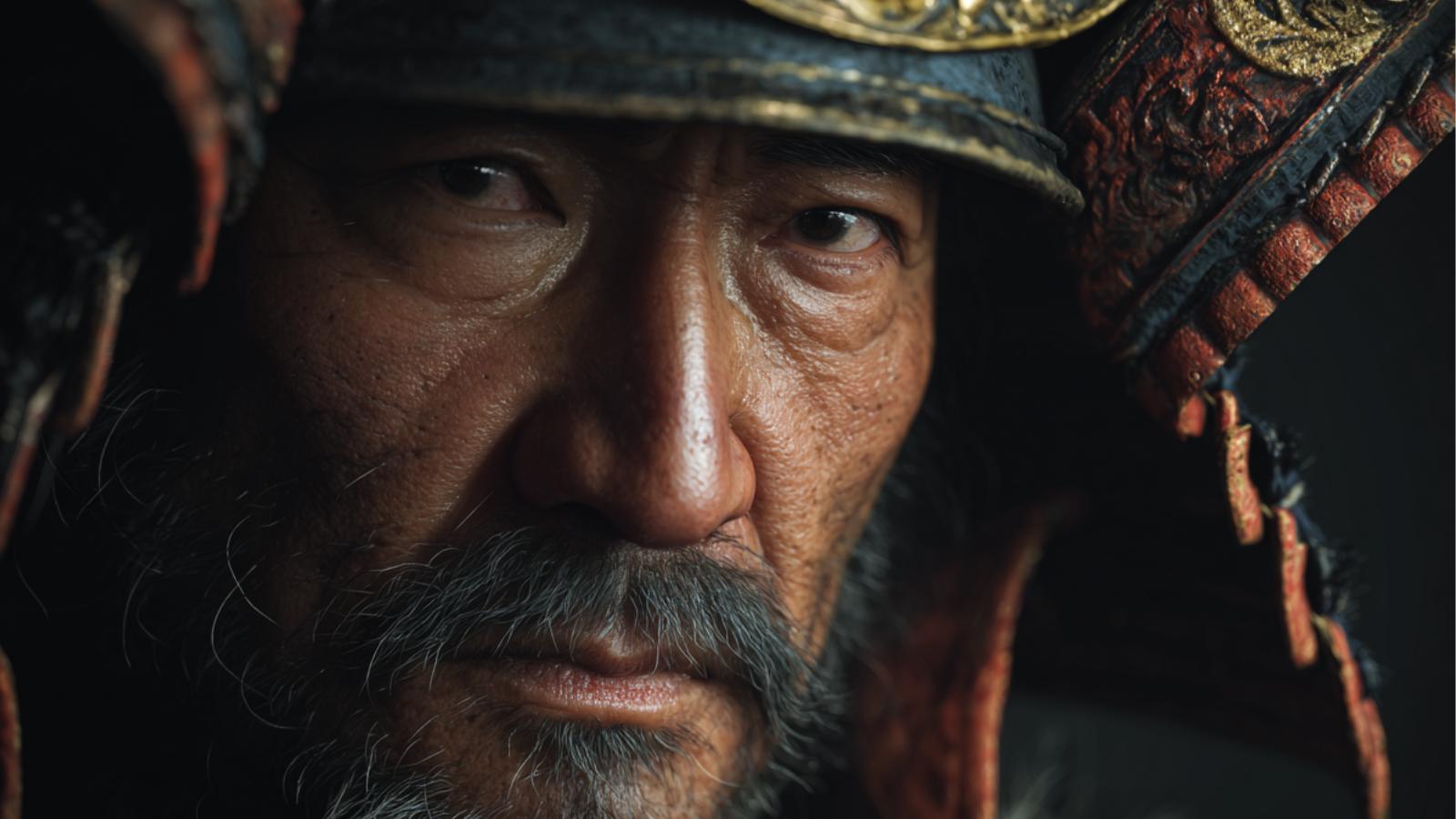
“俺の目が見えるか?未来は常に変わる。”
— Can you see my eyes? The future is always changing.

| Lead 統率 |
Valor 武勇 |
Intel 知略 |
Pol 政治 |
|---|---|---|---|
| 85 | 70 | 90 | 75 |
| Name (JP) | 真田 昌幸 |
|---|---|
| Title | Daimyo |
| Clan / Force | Sanada Clan |
| Era | 1544 – 1608 |
| Origin | Shinano |
| Key Battles | |
| Arts | Noh Theatre |
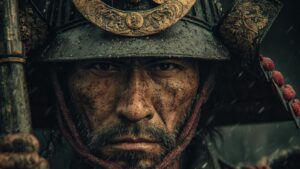
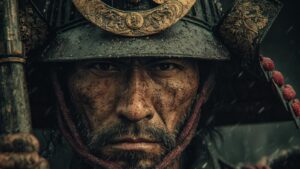
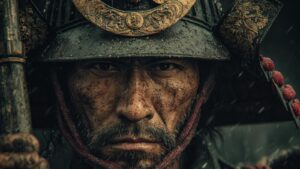
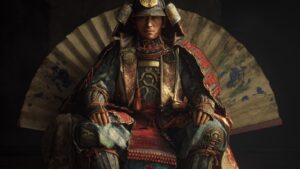
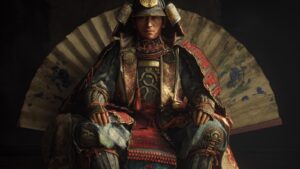
About Sanada Masayuki
Coming from the Sanada clan, he was well-versed in the ways of the samurai from a young age.
His family played a significant role in the region, and his upbringing prepared him for the challenges ahead during Japans tumultuous Warring States period.
Masayuki began his military career under the Hōjō clan, where he demonstrated significant tactical skills.
However, as the tides of war shifted, he started aligning himself with the Toyotomi clan, where his strategic prowess truly began to shine.
He became known for his ingenious defensive tactics and his ability to rally troops during critical, which eventually led to his as a respected daimyō.
Sanada Masayukis most notable contributions were during the Siege of Osaka, where he led the defense against Tokugawa Ieyasu’s forces.
His unique strategies, including the use of terrain and psychological warfare, allowed him to hold off the vastly superior Tokugawa army for a considerable time.
This defense earned him a lasting as a cunning strategist and a noble warrior, remembered for a keen mind that could adapt and overcome numerous challenges in the field of battle.
Sanada Masayuki left an indelible mark on Japanese history, particularly through his ties to the Sanada clan, and is celebrated for his tactical genius and bravery.
His endures in Japanese culture, where he is often depicted as a paragon of the samurai spirit, eming loyalty, perseverance, and the art of war.
Today, his life inspires countless books, dramas, and movies, illustrating the continued fascination with this remarkable figure from Japans past.
comment