
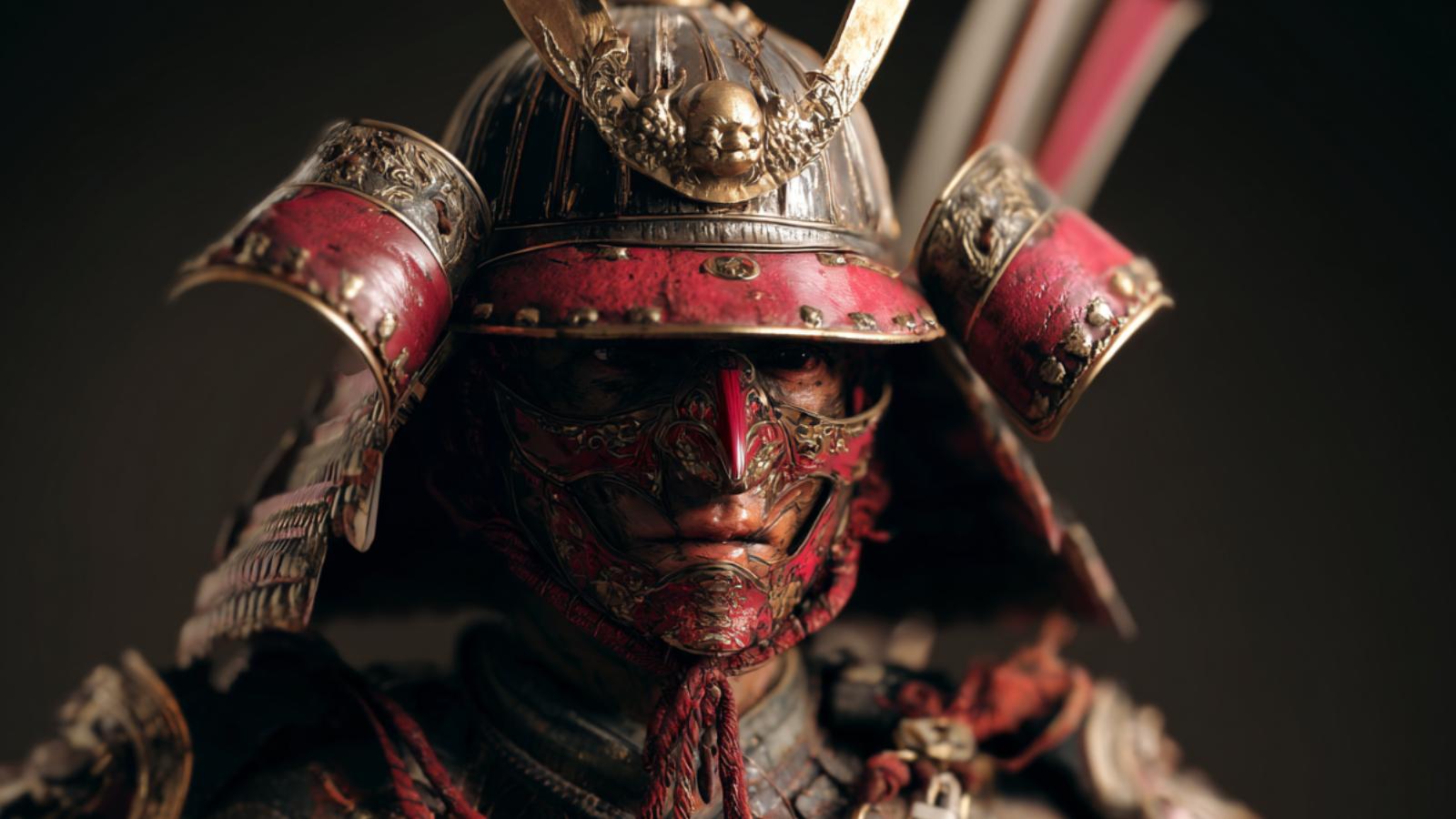
“戦は智と勇の交差点である。”
— War is the intersection of wisdom and valor.

| Lead 統率 |
Valor 武勇 |
Intel 知略 |
Pol 政治 |
|---|---|---|---|
| 82 | 75 | 78 | 70 |
| Name (JP) | 山県 昌景 |
|---|---|
| Title | Daimyo |
| Clan / Force | Takeda Clan |
| Era | 1542 – 1582 |
| Origin | Mikita |
| Key Battles | |
| Arts | Calligraphy |
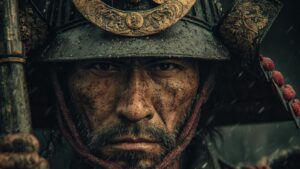
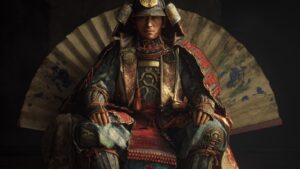
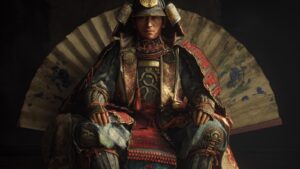
About Yamagata Masakage
Coming from a line of Shugo, or provincial governors, he had a strong influence of martial tradition early in his life.
Trained in the arts of combat and military strategy, he was markedly influenced by the tumultuous environment around him as feudal lords vied for power and control over territories.
Masakages began when he became a key retainer for the Takeda clan, which was one of the most powerful clans of the time under the leadership of Takeda Shingen.
His strategic insights and ability to command troops effectively earned him recognition among his peers and leaders.
His involvement in significant, particularly during the incursions in Shinano, showcased his capability as a reliable and efficient general.
He was adept at utilizing the terrain to his advantage and often outmaneuvered his opponents in battle situations.
Throughout his life, Yamagata participated in numerous and campaigns that solidified the Takeda clans dominance in the region.
He was instrumental in both the Battle of Kawanakajima and the campaigns in the Takeda’s effort to expand their territories against formidable foes like the Uesugi clan.
His valor and tactical intelligence were evident as he commanded troops with a blend of strategy and personal bravery, earning the respect from those in his charge and his adversaries alike.
His contributions were critical in sustaining the clans military campaigns throughout the Sengoku period.
Despite his talents, Yamagata’s life was tragically cut short in 1582 during the chaos following the death of Takeda Shingen.
However, his contributions to the Takeda dynasty and the broader warring states have lived on in history.
Masakage’s as a capable general is often overshadowed by legends of prominent figures like Takeda Shingen and Oda Nobunaga, yet his loyalty, leadership, and strategic skills remain a notable part of samurai history.
His story reflects the struggles and victories of the samurai class during a time of great upheaval in Japan.
comment