
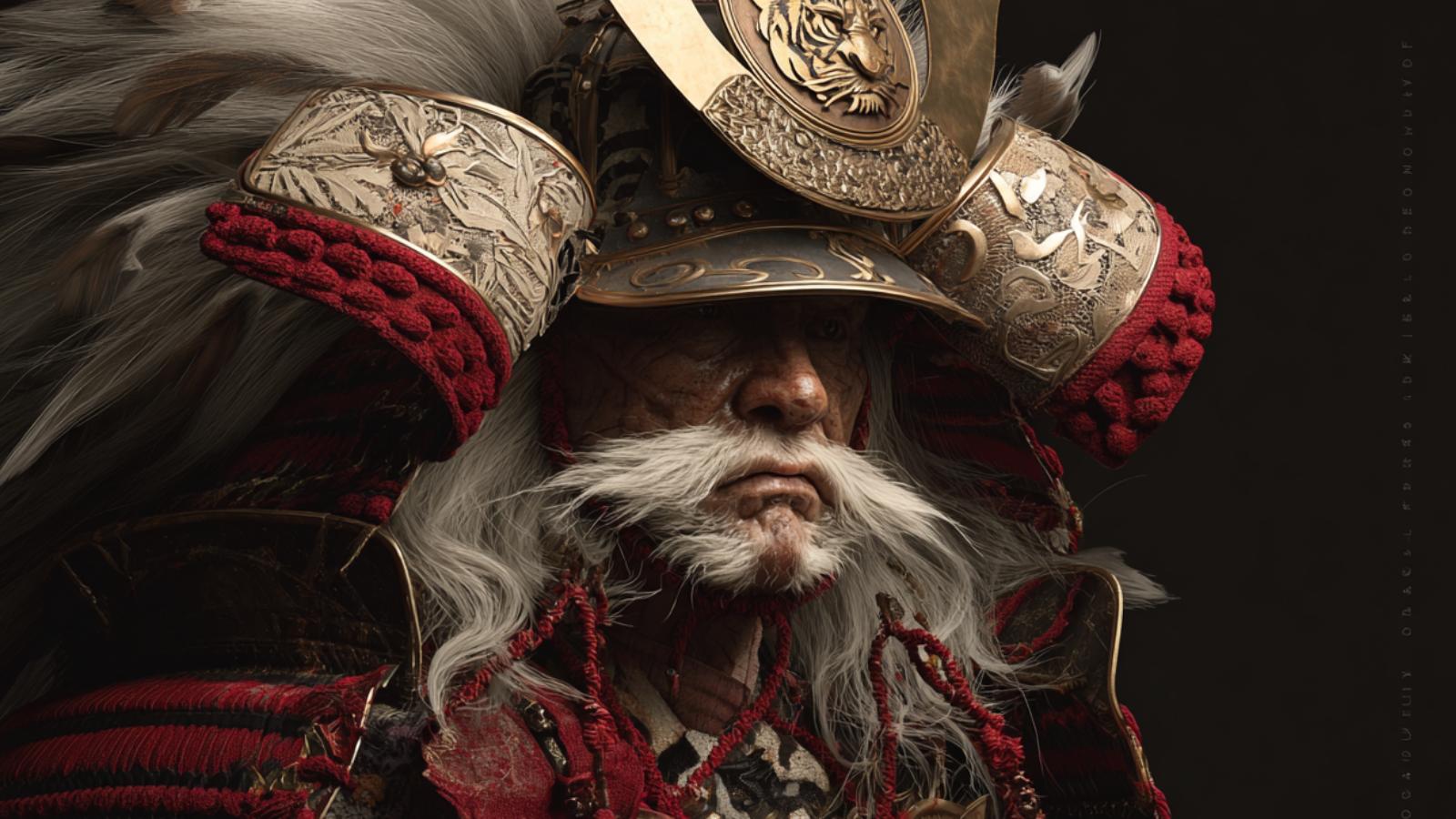
“人は城、人は石垣、人は堀、情けは味方、仇は敵なり。”
— People are the castle, people are the walls, people are the moat.

| Lead 統率 |
Valor 武勇 |
Intel 知略 |
Pol 政治 |
|---|---|---|---|
| 89 | 78 | 92 | 85 |
| Name (JP) | 武田 信玄 |
|---|---|
| Title | Daimyo |
| Clan / Force | Takeda Clan |
| Era | 1521 – 1573 |
| Origin | Kai |
| Key Battles | |
| Arts | Calligraphy |
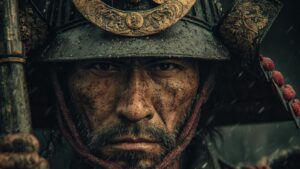
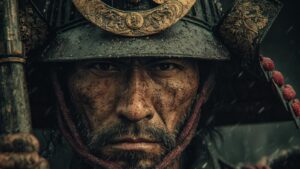
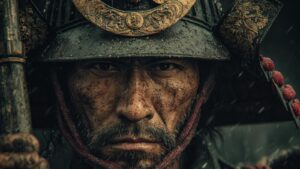
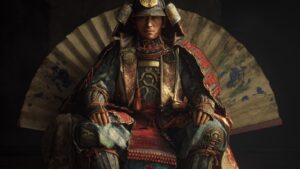
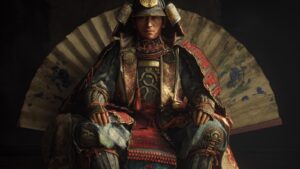
About Takeda Shingen
From a young age, he was exposed to the tumultuous nature of Japanese politics and warfare.
His family lineage traced back to the Shugo clans, which gave him both legitimacy and resources to to power.
Shingens early education focused on martial skills, strategy, and the arts, particularly calligraphy, which honed his disciplined mindset and leadership abilities.
In the 1540s, Shingen took control from his father and began to reform the Takeda clan.
He built a powerful military, utilizing skilled samurai and innovative tactics that would later define his .
His ambition to unify the surrounding provinces led to significant military campaigns against rival clans, notably the Uesugi and the Imagawa.
Shingen engaged in numerous skirmishes, most famously the of Kawanakajima, which showcased his strategic genius and helped to elevate his status as one of the great daimyo of the Sengoku period.
The against Uesugi Kenshin at Kawanakajima were particularly emblematic of Shingens military capabilities.
His use of terrain and logistics often turned the tide in his favor, earning him the nickname The Tiger of Kai.
Despite his victories, Shingen respected his enemies and often engaged in honorable combat, a testament to the samurai code.
He also modernized his forces with the introduction of new tactics and a more organized army structure, setting a precedent for future generals of Japan.
Takeda Shingens endures not only through his military achievements but also through his governance and the promotion of arts.
His policies supported agriculture and trade, ensuring prosperity in his province.
Shingens demise in 1573 left a power vacuum that his ambitious rivals, including Toyotomi Hideyoshi, would later exploit.
However, he remains a legendary figure in Japanese history, revered for his leadership, honor, and tactical brilliance.
His life continues to inspire numerous works of literature and media, cementing his status as one of Japans most iconic samurai figures.
comment