
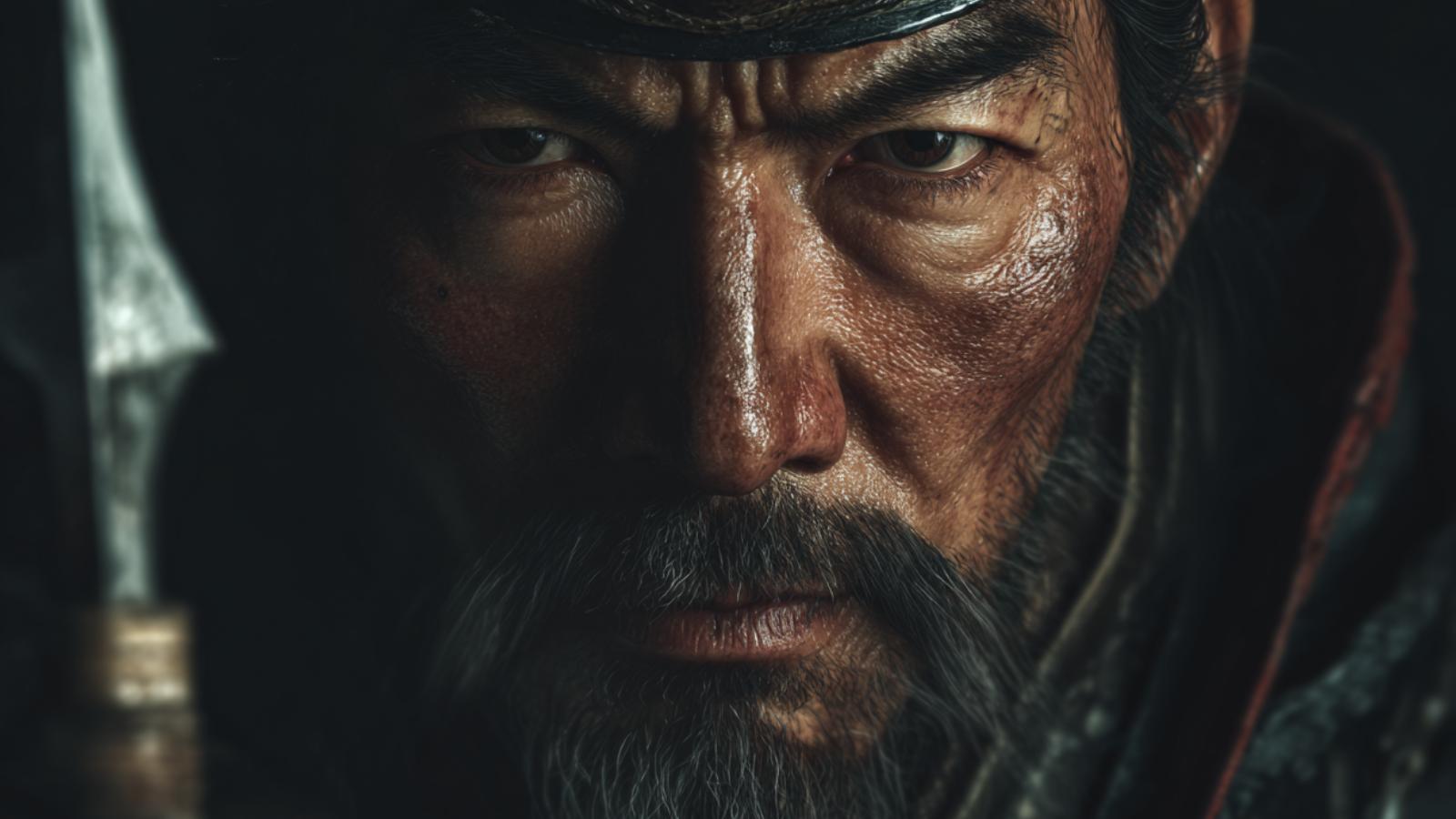
“影の中にこそ、真の力が宿る。”
— The true power resides within the shadows.

| Lead 統率 |
Valor 武勇 |
Intel 知略 |
Pol 政治 |
|---|---|---|---|
| 85 | 80 | 90 | 70 |
| Name (JP) | 服部 半蔵 |
|---|---|
| Title | Chief Retainer |
| Clan / Force | Tokugawa Ieyasu |
| Era | 1542 – 1596 |
| Origin | Ise |
| Key Battles | |
| Arts | Ninjutsu |
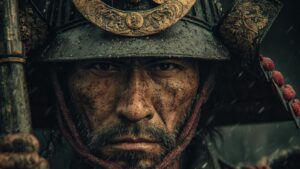
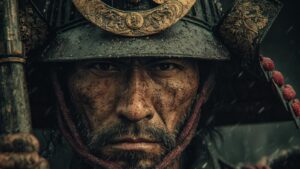
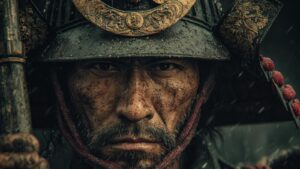
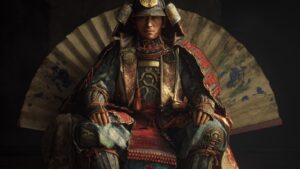
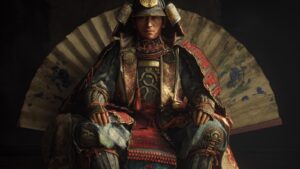
About Hattori Hanzo
Growing up in a period of constant warfare, young Hanzo trained rigorously in the arts of strategy and stealth, laying the groundwork for his future as a formidable warrior.
Hanzo came into prominence as the chief retainer to Tokugawa Ieyasu, one of the most powerful figures of the Sengoku period.
His skills in guerrilla warfare and espionage played a critical role in supporting Ieyasu’s ambitions to unify Japan.
Notably, Hanzos intelligence-gathering tactics provided crucial insights that enabled Ieyasu to navigate complex political landscapes and outmaneuver rivals.
Hattori Hanzo was involved in several pivotal, including the Battle of Mikatagahara, where he executed successful hit-and-run tactics that contributed to Ieyasus eventual triumph.
His reputation as an exceptional strategist and combatant led to tales of his exploits that blurred the lines between fact and legend, solidifying his status as an iconic figure in samurai lore.
Today, Hattori Hanzo is celebrated not only for his military achievements but also as a cultural icon representing the spirit of the samurai and ninja.
His techniques and philosophies continue to influence modern martial arts and popular culture, showcasing the enduring of his cunning and valor in battle.
comment