
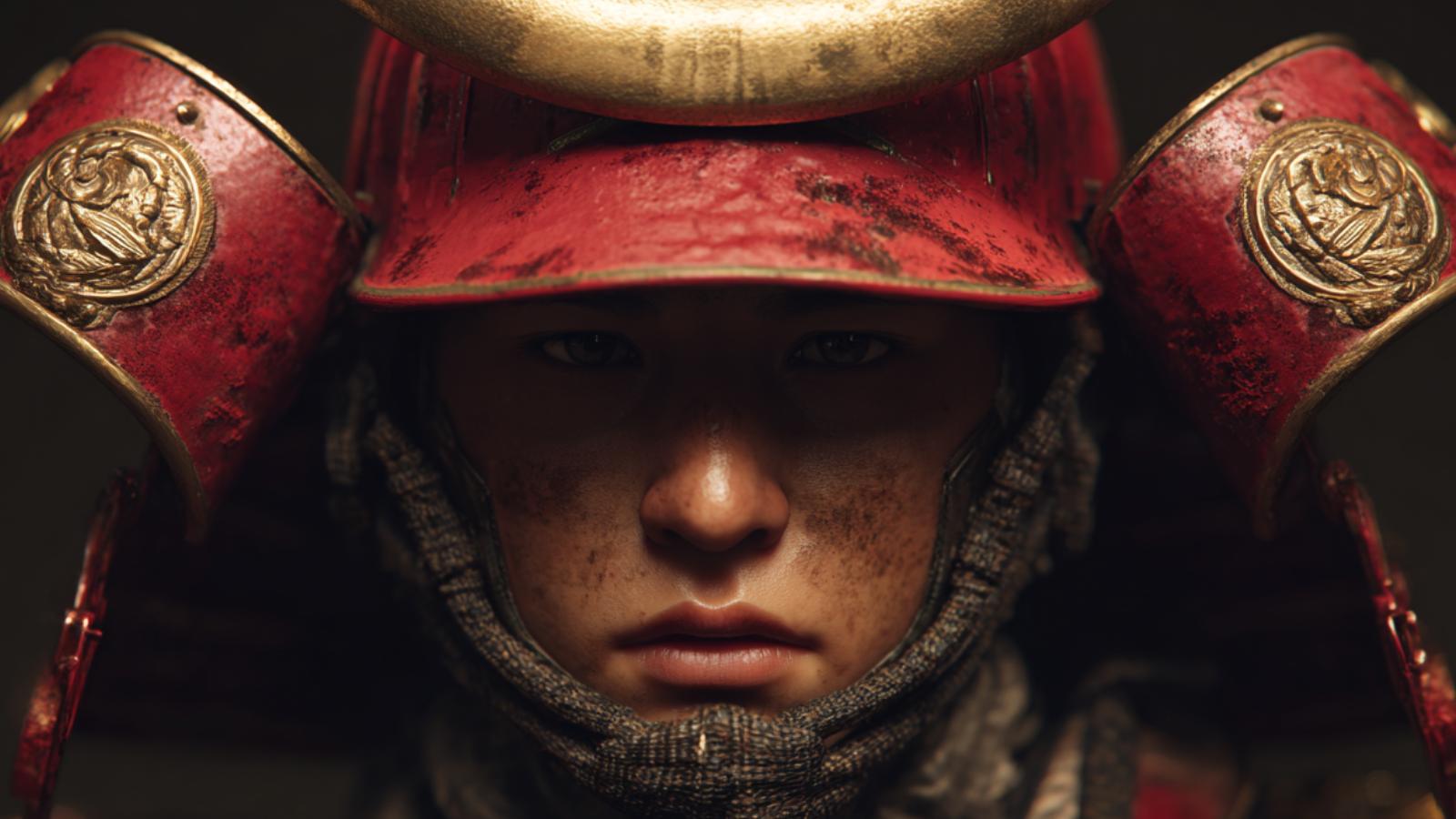
“勇気をもって敵に立ち向かうが、智恵をもって状況を見極める。”
— Face the enemy with courage but discern the situation with wisdom.

| Lead 統率 |
Valor 武勇 |
Intel 知略 |
Pol 政治 |
|---|---|---|---|
| 85 | 80 | 78 | 75 |
| Name (JP) | 井伊 直政 |
|---|---|
| Title | Daimyo |
| Clan / Force | Tokugawa Clan |
| Era | 1561 – 1602 |
| Origin | Mikawa |
| Key Battles | |
| Arts | Traditional Swordsmanship |
About Ii Naomasa
From a young age, he displayed a strong sense of duty and courage, qualities that would shape his future as a military leader.
He trained extensively in the arts of war and strategy, quickly gaining the respect of his peers and superiors.
As the Sengoku period intensified, his loyalty to Tokugawa Ieyasu became a defining feature of his life.
Naomasas began as a close retainer of Tokugawa Ieyasu.
He actively participated in several key conflicts, displaying exceptional leadership and tactical skills.
His notable contributions during the Battle of Sekigahara in 1600 proved crucial in securing Ieyasus dominance over Japan.
After the battle, Naomasas prowess earned him the of Daimyo, solidifying his status among the elite ranks of samurai and warlords in Japan.
Throughout his military career, Naomasa was known for his bravery in battle.
His most famous engagements include the siege of Ueno and the against the Uesugi clan, where he led charges that turned the tide in favor of Tokugawa forces.
Naomasa was not only revered for his combat skills but also for his strategic mind, often devising plans that played to his armys strengths and seemingly exploited the weaknesses of the enemy.
Ii Naomasas is one of valor, loyalty, and strategic acumen.
He is remembered as one of the most capable generals of his time, contributing significantly to the unification of Japan under the Tokugawa shogunate.
His descendants continued to serve in notable positions, perpetuating the Ii family name in Japanese history.
His life and exemplify the spirit of the samurai, dedicating oneself to a cause greater than oneself while eming honor in warfare.









comment