
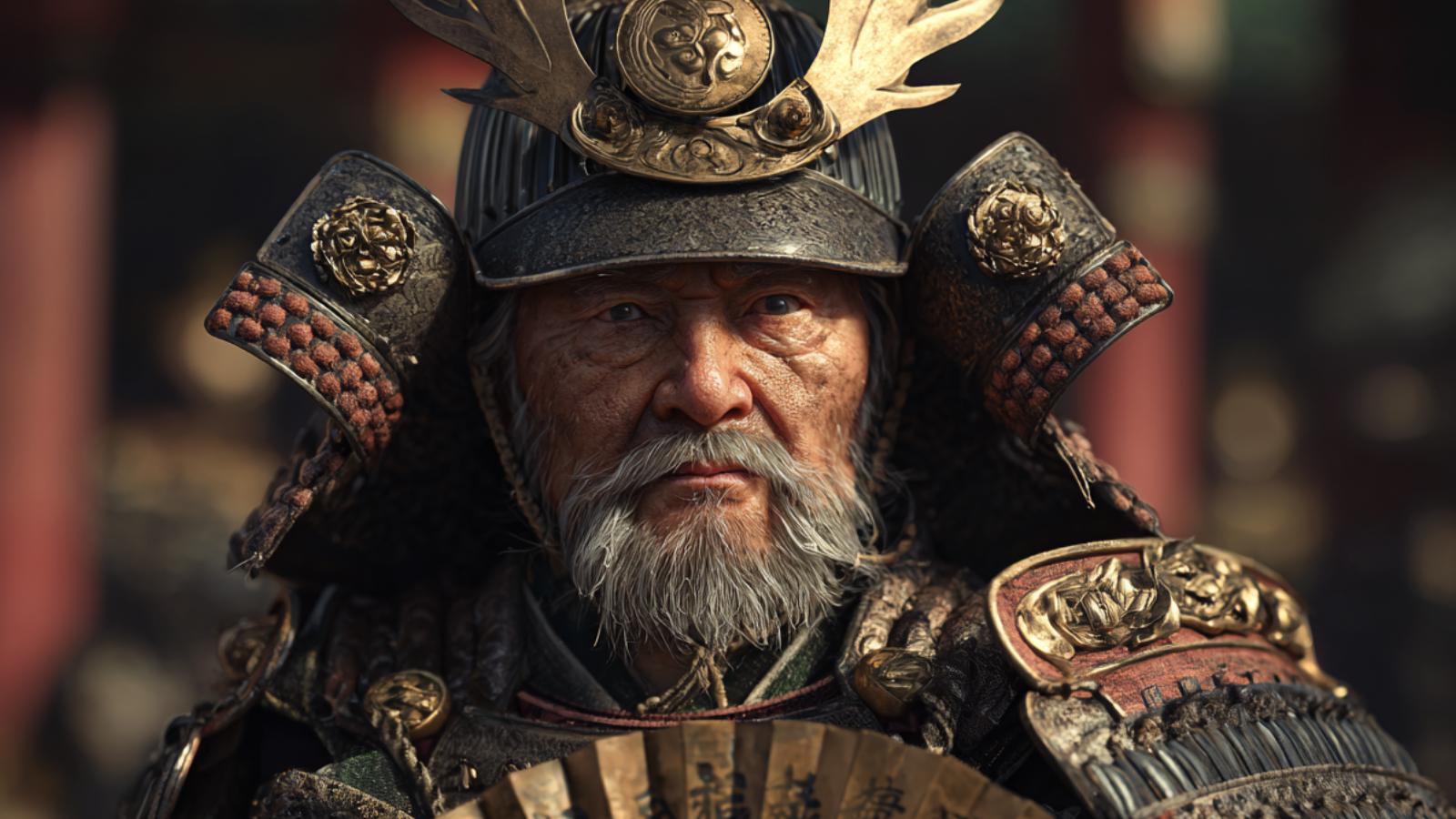
“人の一生は重荷を負て遠き道をゆくがごとし。急ぐべからず。”
— Life is like walking a long road carrying a heavy burden; there is no need to rush.

| Lead 統率 |
Valor 武勇 |
Intel 知略 |
Pol 政治 |
|---|---|---|---|
| 95 | 65 | 90 | 97 |
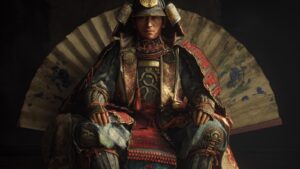
| Name (JP) | 徳川 家康 |
|---|---|
| Title | Shogun |
| Clan / Force | Tokugawa Clan |
| Era | 1543 – 1616 |
| Origin | Mikawa |
| Key Battles | |
| Arts | Ikebana |
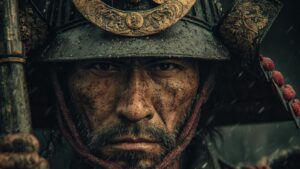
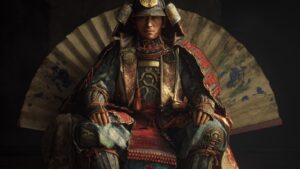
About Tokugawa Ieyasu
It was a tumultuous time in Japan, with the country fragmented into numerous warring states.
His was marked by political instability; at the age of six, he was taken hostage by a neighboring clan.
This experience influenced his later strategies in governance and diplomacy., ,Ieyasu allied with the powerful warlord Oda Nobunaga in the late 1560s, which was a turning point in his career.
He became a valued ally and tactician, gaining significant territory and influence.
Following Nobunagas assassination in 1582, Ieyasu maneuvered himself through the ensuing chaos, eventually outmaneuvering rival daimyo like Toyotomi Hideyoshi, establishing himself as the most powerful figure in Japan by the end of the 16th century., ,The most notable battle in Ieyasus career was the Battle of Sekigahara in 1600, where his forces decisively defeated the coalition opposing him.
This victory solidified his power, leading to the establishment of the Tokugawa shogunate in 1603.
Ieyasu skillfully managed to maintain the fragile peace and stability in Japan through a system of alliances and strict governance, which included the management of the daimyos and the implementation of policies that would shape Japanese society and politics for years to come., ,Upon his retirement in 1605, Ieyasu passed the of shogun to his son, but remained the power behind the throne until his death in 1616.
His is one of unification and peace, with the Tokugawa shogunate lasting for over 250 years.
His strategic brilliance and political savvy transformed Japan and laid the foundations for modern Japanese state.
comment
List of comments (1)
[…] Matsudaira Motoyasu (Tokugawa Ieyasu)|松平元康(徳川 家康) […]