
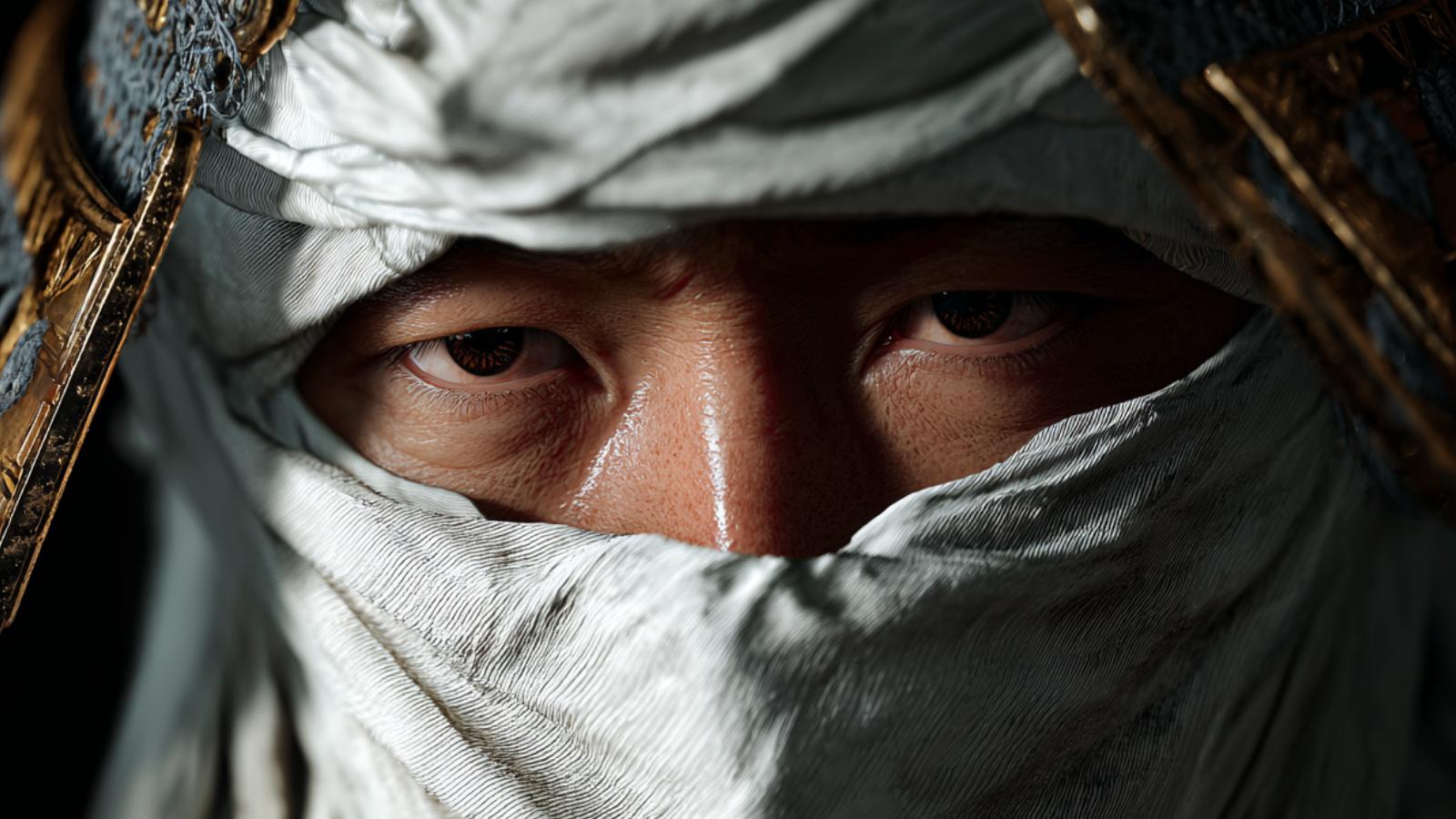
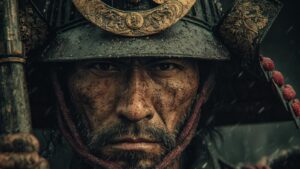
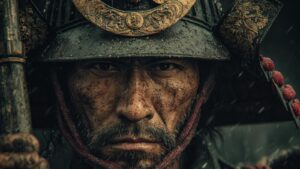
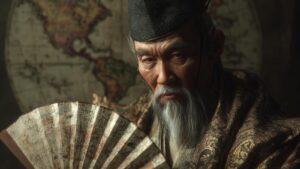
“吾に害を加える者は、皆、斬る!”
— Anyone who harms me will be cut down!

| Lead 統率 |
Valor 武勇 |
Intel 知略 |
Pol 政治 |
|---|---|---|---|
| 80 | 70 | 85 | 75 |
| Name (JP) | 大谷 吉継 |
|---|---|
| Title | Daimyo |
| Clan / Force | Toyotomi Army |
| Era | 1560 – 1600 |
| Origin | Kyoone |
| Key Battles | |
| Arts | Noh Theater |
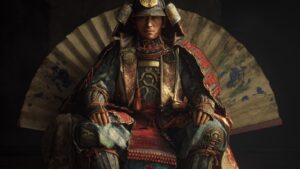
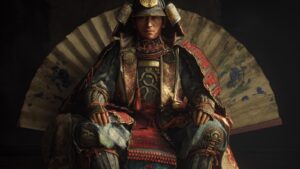
About Otani Yoshitsugu
He was the son of a minor daimyo, who served under the powerful warlords of the era.
From a young age, Yoshitsugu was trained in the arts of war and governance, displaying exceptional aptitude in strategic thinking and leadership.
His lineage as a shugo provided him with the connections necessary to through the ranks of samurai society.
Yoshitsugu gained prominence as a competent general under Toyotomi Hideyoshi, participating in various military campaigns that solidified Hideyoshis control over Japan.
His bravery and intelligence made him a favored retainer, and he was eventually granted the of daimyo.
During his service, Yoshitsugu demonstrated his capability in both leadership and strategy, as he successfully commanded troops in several conflicts, earning the respect of his peers and subordinates.
One of his most notable engagements was the Battle of Sekigahara in 1600, where he fought valiantly in support of the Toyotomi faction against the Tokugawa clan.
Despite the ultimate defeat of their forces, Yoshitsugus bravery and tactical acumen were recognized by his allies, and he atypically placed a significant emphasis on the morale and well-being of his troops.
It is said that he inspired his men with captivating speeches and a fierce commitment to their cause.
Although Yoshitsugu fell at Sekigahara, his endures as a paragon of loyalty and martial prowess.
He remains a respected figure in samurai history, often remembered for his unwavering duty and his determination to fight for his beliefs.
His contributions to the samurai culture included a fondness for the Noh theater, which he saw as a medium for expressing the samurai spirit.
Today, Otani Yoshitsugu is celebrated not only for his military achievements but also for his embodiment of the bushido code.

comment