
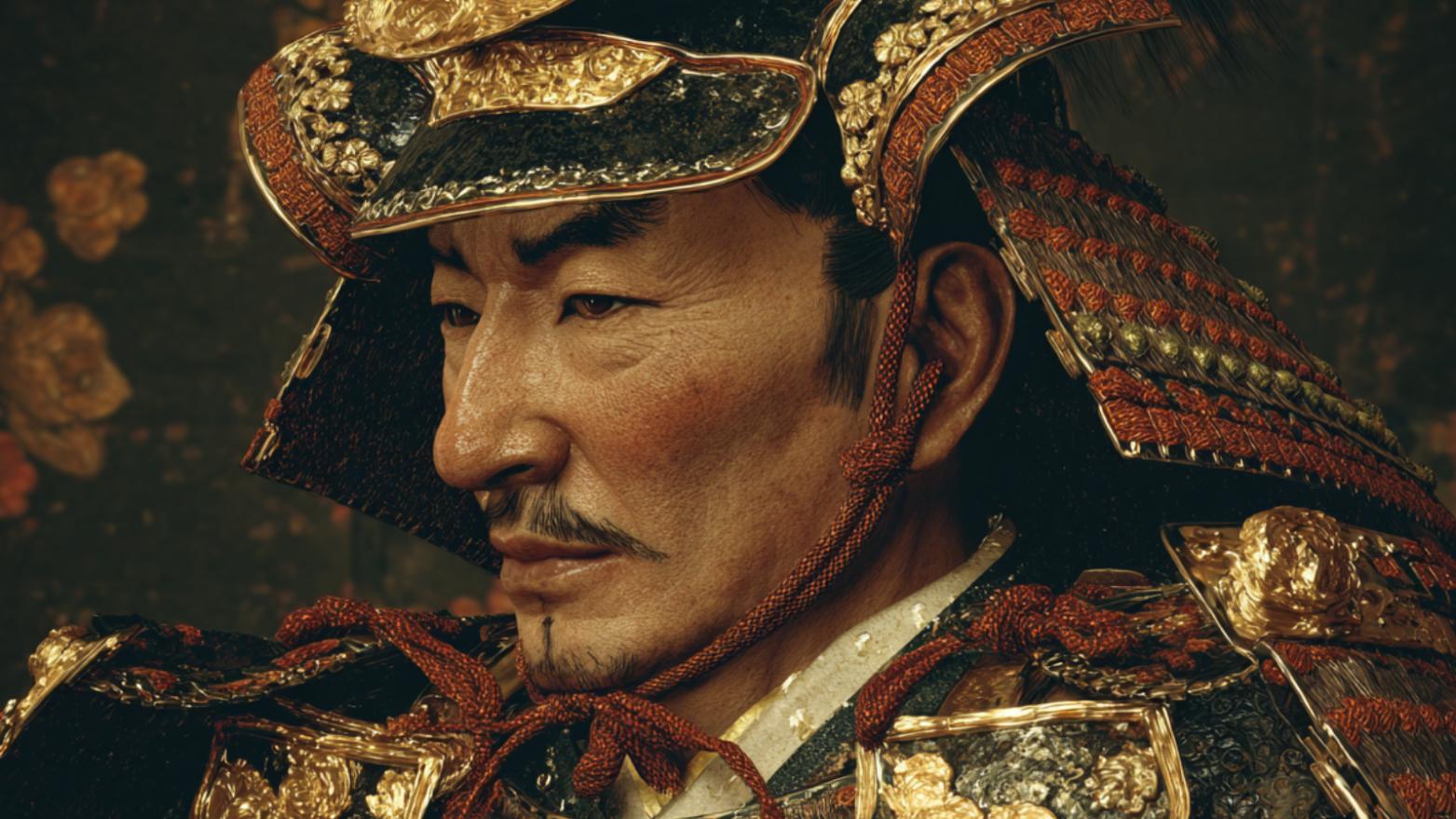
“露と落ち 露と消へにし 我が身かな 浪速のことは 夢のまた夢”
— Like dew I fall, like dew I vanish… all is but a dream within a dream.

| Lead 統率 |
Valor 武勇 |
Intel 知略 |
Pol 政治 |
|---|---|---|---|
| 92 | 80 | 94 | 90 |
| Name (JP) | 豊臣 秀吉 |
|---|---|
| Title | Imperial Regent (Shōgun) |
| Clan / Force | Oda Clan |
| Era | 1537 – 1598 |
| Origin | Owari |
| Key Battles | |
| Arts | Tea Ceremony |
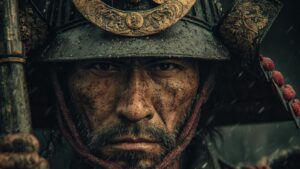
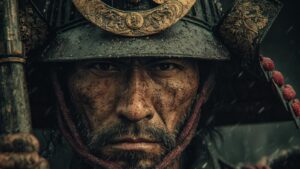
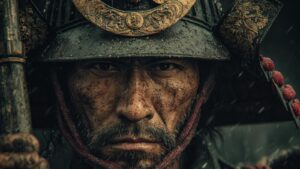
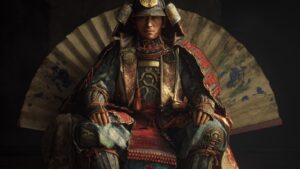
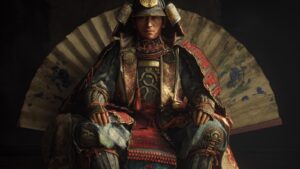
About Toyotomi Hideyoshi
His humble origins did not deter his ambition; instead, they fueled it.
Hideyoshi proved to be a charismatic leader and a shrewd tactician, quickly rising through the ranks due to his quick thinking and valor on the battlefield.
After Nobunagas death in 1582, Hideyoshi rapidly consolidated power and became the de facto ruler of Japan.
He was able to unify various warring factions under his rule, skillfully navigating the complex political landscape of feudal Japan.
His diplomatic prowess and military campaigns led him to complete the unification of Japan by 1590.
In 1585, he was appointed as ‘Kanshō’ or Imperial Regent, signaling his dominance in the political arena.
Hideyoshi is well known for his military campaigns, particularly the invasions of Korea in 1592 and 1597.
These campaigns showcased his formidable military strategy, although they ultimately strained Japan’s resources and faced stiff resistance.
Hideyoshi’s leadership on the battlefield was characterized by innovation and use of gunpowder, which revolutionized warfare in Japan during his time.
Hideyoshis is marked not only by his military achievements but also by his significant cultural contributions, including the promotion of the tea ceremony and the arts.
He is remembered as one of Japans greatest leaders, whose efforts in unification laid the groundwork for the Tokugawa Shogunate that followed.
Despite his from poverty, Hideyoshi demonstrated that determination and intelligence can transcend ones origins, making his story a legendary one in Japanese history.
comment